The Indian Parliament's Monsoon Session is expected to witness the introduction of several important legislative bills that could impact taxpayers, businesses, and the broader economy. These proposed bills reflect the government's ongoing efforts to modernize regulations, simplify compliance, and support various sectors of the economy.
The New Income Tax Bill
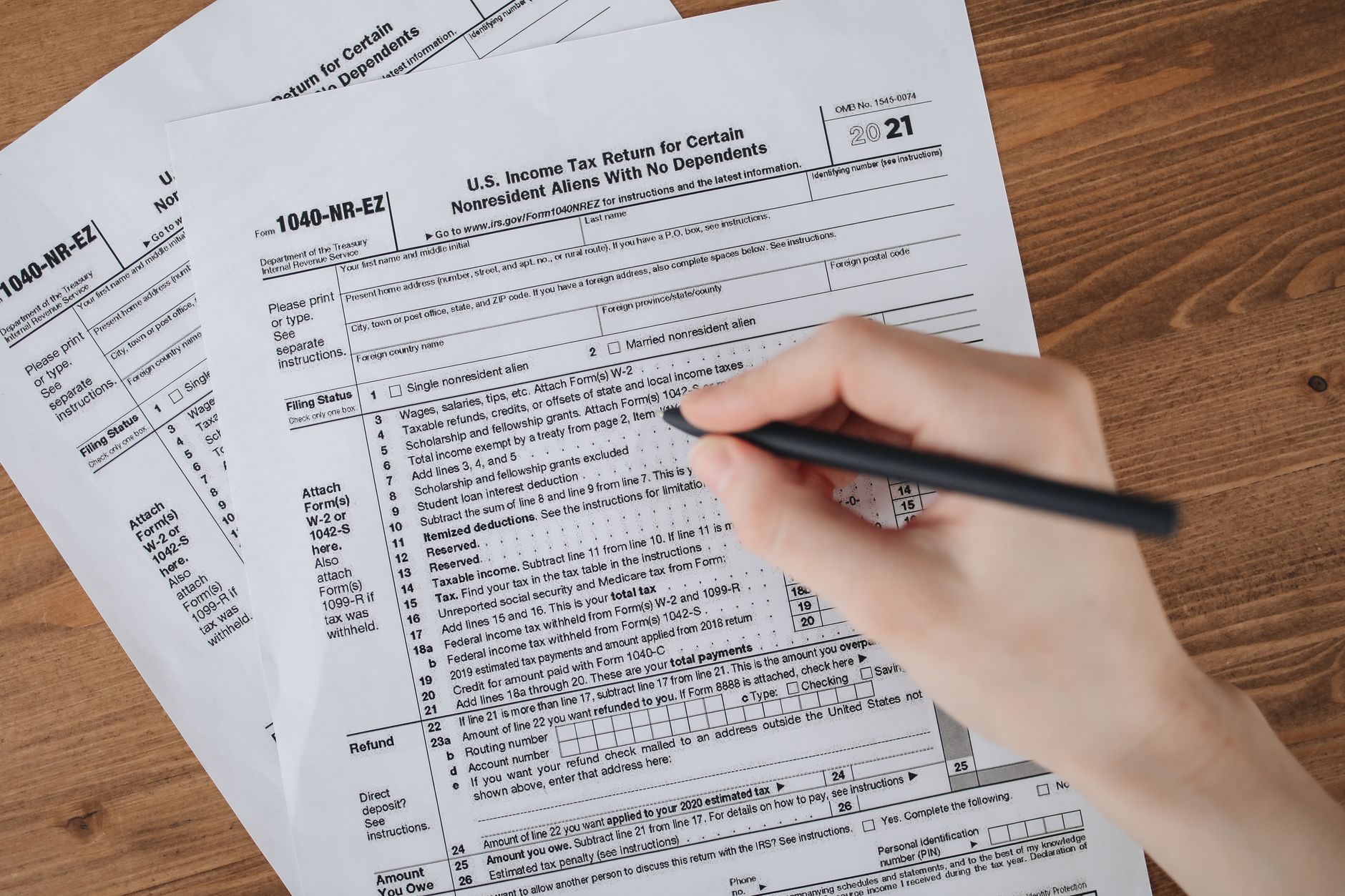
One of the most anticipated pieces of legislation is the new Income Tax Bill, which aims to replace the Income Tax Act of 1961. The government has been working on simplifying the complex tax code that has been amended numerous times over six decades, making it difficult for ordinary taxpayers to navigate.
The proposed bill is expected to feature simplified language, reduced litigation, and clearer provisions. The objective is to make tax compliance easier while maintaining revenue collection efficiency. This reform has been in discussion for several years, with experts and stakeholders providing input on how to modernize India's tax system for the 21st century.
MSME-Focused Legislation
Small and medium enterprises form the backbone of India's economy, contributing significantly to employment and GDP. The government plans to introduce legislation specifically targeting MSME sector needs, potentially addressing issues like delayed payments, easier access to credit, and reduced compliance burdens.
Such legislation could include provisions for stricter enforcement of payment deadlines by larger companies to MSMEs, which has been a longstanding grievance. Many small businesses face cash flow problems when payments are delayed, affecting their ability to operate efficiently and grow.
Why These Bills Matter Now
The timing of these legislative proposals is significant for several reasons:
- India's economy is recovering and growing, requiring modern regulatory frameworks
- Digital transformation demands updated laws that reflect current business practices
- International tax cooperation and compliance standards are evolving
- Small businesses need support to compete in increasingly competitive markets
- Taxpayer grievances regarding complexity and litigation need addressing
Expected Impact on Businesses and Taxpayers
The introduction of these bills could bring substantial changes to how businesses operate and how individuals manage their tax obligations. For MSMEs, clearer regulations and stronger payment protection mechanisms could improve working capital management and reduce financial stress.
For taxpayers, a simplified income tax code could mean fewer disputes with tax authorities, clearer understanding of obligations, and potentially reduced professional fees for tax consultation. The government's emphasis on ease of doing business aligns with these legislative efforts.
Other Bills in the Pipeline
Beyond income tax and MSME legislation, the government typically introduces various bills addressing administrative reforms, sectoral regulations, and economic policy updates during Parliament sessions. These may cover areas such as financial sector regulations, consumer protection, or amendments to existing laws to close loopholes or update outdated provisions.
The legislative agenda reflects priorities identified through stakeholder consultations, economic assessments, and policy reviews conducted by various government departments and ministries.
The Legislative Process Ahead
Once introduced in Parliament, these bills will undergo scrutiny through committee reviews, debates, and discussions before potential passage. Stakeholders including industry associations, tax experts, and advocacy groups typically provide feedback during this process.
The final shape of any legislation may differ from initial proposals based on parliamentary discussions and amendments. The government often incorporates suggestions from opposition parties and expert committees to build consensus on important economic legislation.
What Stakeholders Are Watching
Businesses and tax professionals are particularly interested in the details of proposed changes. Specific provisions regarding tax rates, exemptions, compliance timelines, and penalty structures in the income tax bill will be scrutinized carefully.
For MSMEs, the focus will be on practical implementation mechanisms, enforcement provisions, and whether the legislation includes adequate support systems to help small businesses adapt to any new requirements.
This article provides general information about proposed legislation based on publicly available information. Specific details will only be available once bills are formally tabled in Parliament. Readers should consult qualified tax professionals and legal advisors for advice specific to their circumstances. Legislative proposals may change during the parliamentary process, and final enacted laws may differ from initial versions.