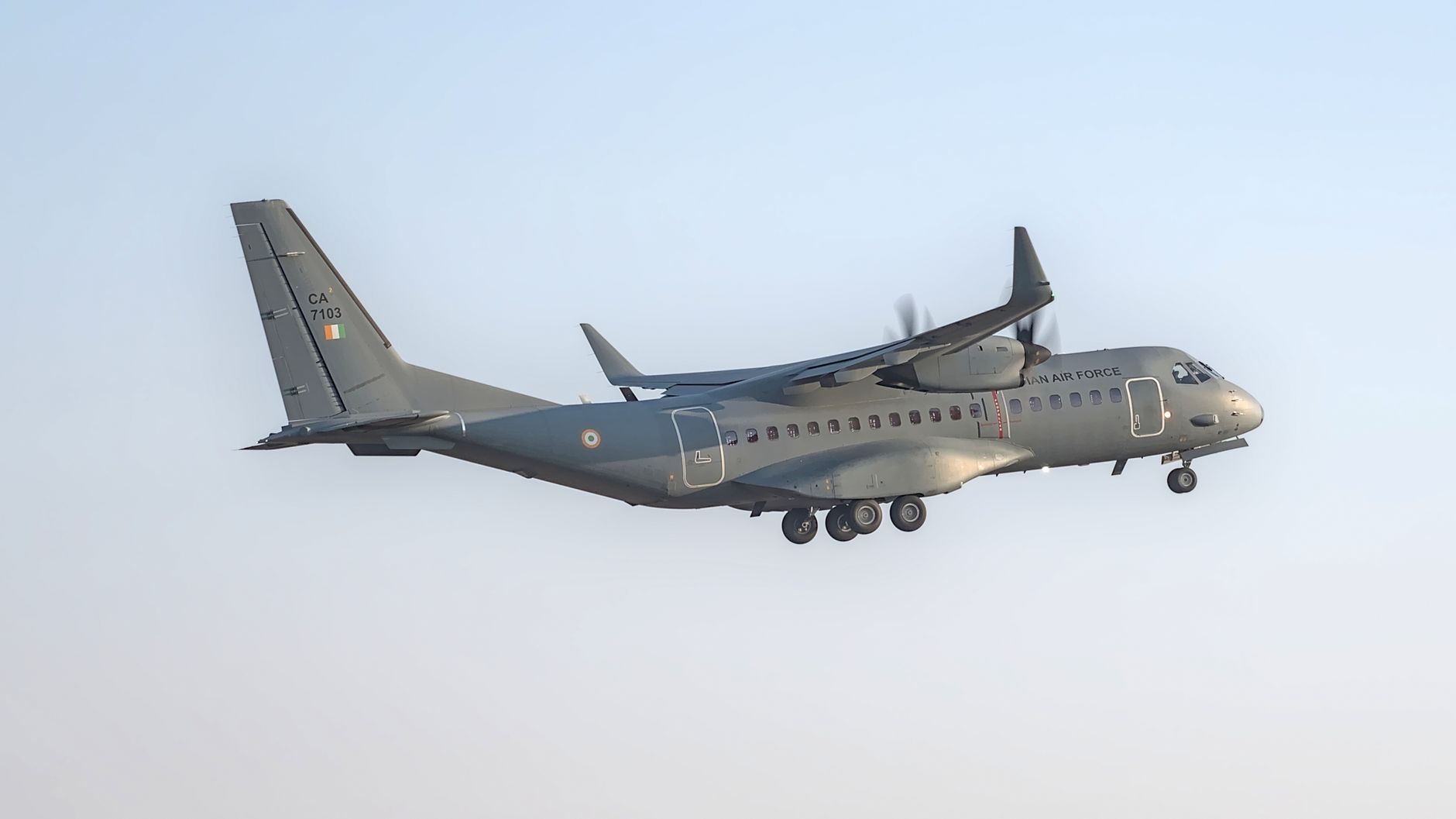
Air India's recent collaboration with Booking.com marks a significant shift in how traditional airlines are positioning themselves in the broader travel ecosystem. Rather than limiting their business to selling seats on aircraft, airlines are increasingly recognizing the value of becoming comprehensive travel service providers.
The Ancillary Revenue Strategy
This move reflects a broader industry trend where airlines are seeking to diversify their revenue streams beyond ticket sales. Ancillary revenue—income generated from services beyond the basic ticket price—has become increasingly crucial for airline profitability. While extras like baggage fees, seat selection, and in-flight meals have long been part of this strategy, hotel bookings represent a natural extension into the pre- and post-flight experience.
By partnering with Booking.com, Air India gains access to millions of accommodation options worldwide without the need to build its own hotel inventory management system. The partnership allows the airline to earn commission on hotel bookings made through its platform while providing customers with a one-stop-shop for their travel needs.
Why Airlines Are Entering the Hotel Business
Several factors are driving airlines toward this integrated approach:
- Customer convenience: Travelers increasingly prefer booking all travel components in one transaction
- Data collection: Understanding where customers stay helps airlines personalize future offers
- Competitive positioning: Airlines compete not just with each other but with online travel agencies
- Margin optimization: Hotel commissions can supplement thin profit margins on ticket sales
- Customer loyalty: Offering complete travel solutions can strengthen frequent flyer program value
The Competitive Landscape
Air India is far from the first carrier to venture into hotel sales. Emirates, Singapore Airlines, Lufthansa, and numerous other international carriers have established partnerships with accommodation providers or built their own hotel booking platforms. Even low-cost carriers like Ryanair and EasyJet have long offered hotel bookings alongside flights.
This reflects the blurring lines between airlines and online travel agencies. While platforms like Expedia and Booking.com added flights to their hotel-focused businesses years ago, airlines are now moving in the opposite direction, creating a more competitive landscape for the complete travel booking experience.
Implications for Air India's Transformation
For Air India, this partnership represents part of its broader transformation under the Tata Group ownership. Since being privatized in 2022, the airline has been working to modernize its fleet, improve service standards, and expand its market presence both domestically and internationally.
Adding hotel booking capabilities positions Air India to better compete with both international carriers and India's growing domestic travel market. As Indian travelers increasingly venture abroad and seek seamless booking experiences, the ability to offer flights and hotels together could prove valuable for customer acquisition and retention.
The Customer Experience Consideration
While the business case for airlines selling hotels is clear, the customer experience will ultimately determine success. Key questions include:
- Pricing competitiveness: Will hotel rates match or beat direct booking or other platforms?
- Loyalty integration: How will hotel bookings tie into frequent flyer miles and status benefits?
- Customer service: Who handles issues with hotel reservations booked through an airline?
- Flexibility: Can customers easily modify or cancel hotel bookings made through airline platforms?
Airlines that successfully address these concerns while offering genuine value—whether through bundled discounts, loyalty point earning, or superior convenience—will likely see the strongest adoption of their expanded services.
Looking Ahead
The partnership between Air India and Booking.com signals a future where the distinction between airlines, hotels, and travel agencies continues to blur. For travelers, this could mean more integrated booking experiences and potentially better bundled deals. For the travel industry, it represents intensifying competition across traditional sector boundaries.
As airlines expand their offerings and technology platforms make it easier to aggregate services, the concept of who "owns" the customer relationship in travel is being fundamentally redefined. Air India's move is both a response to this changing landscape and a contribution to its continued evolution.