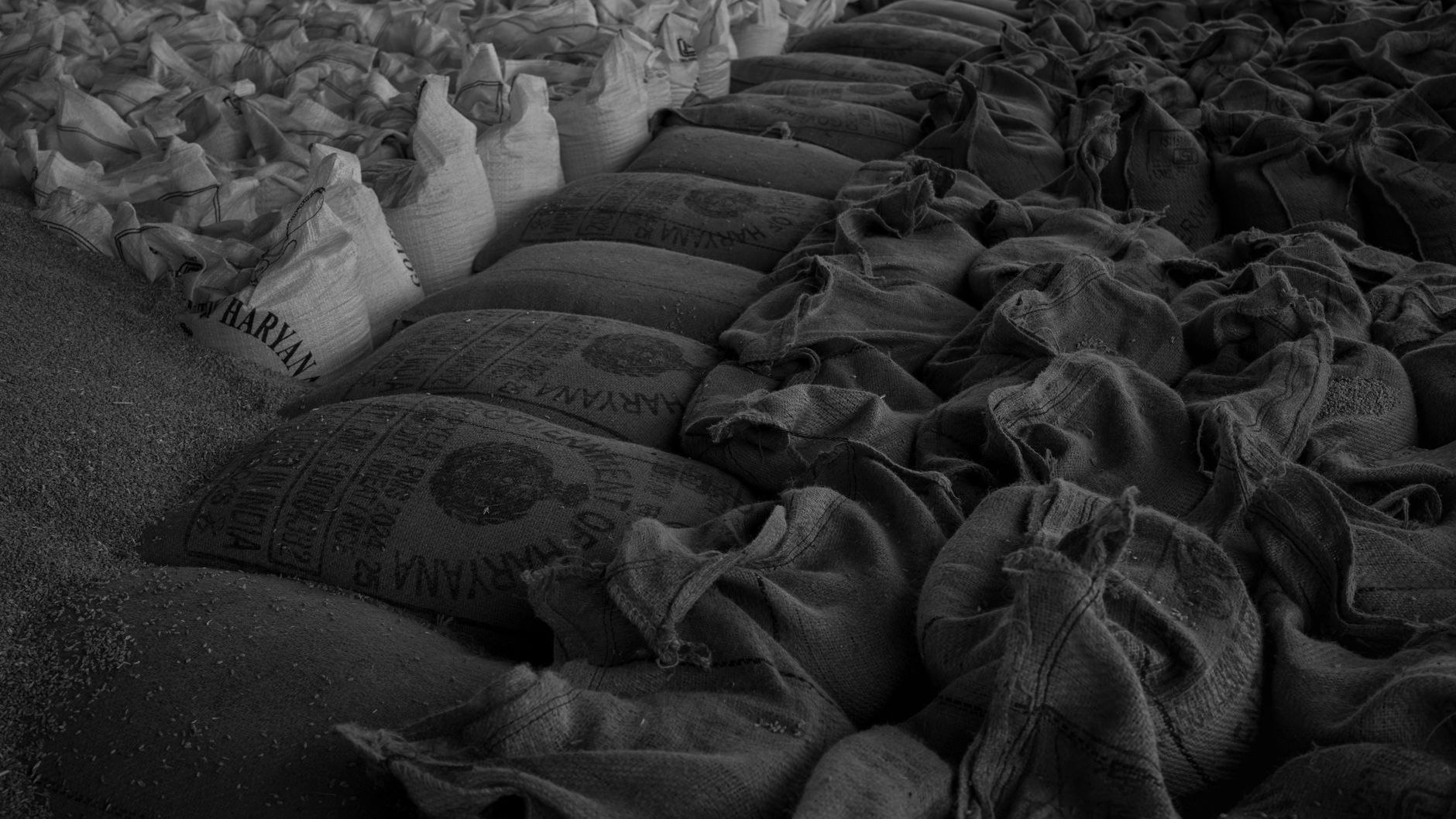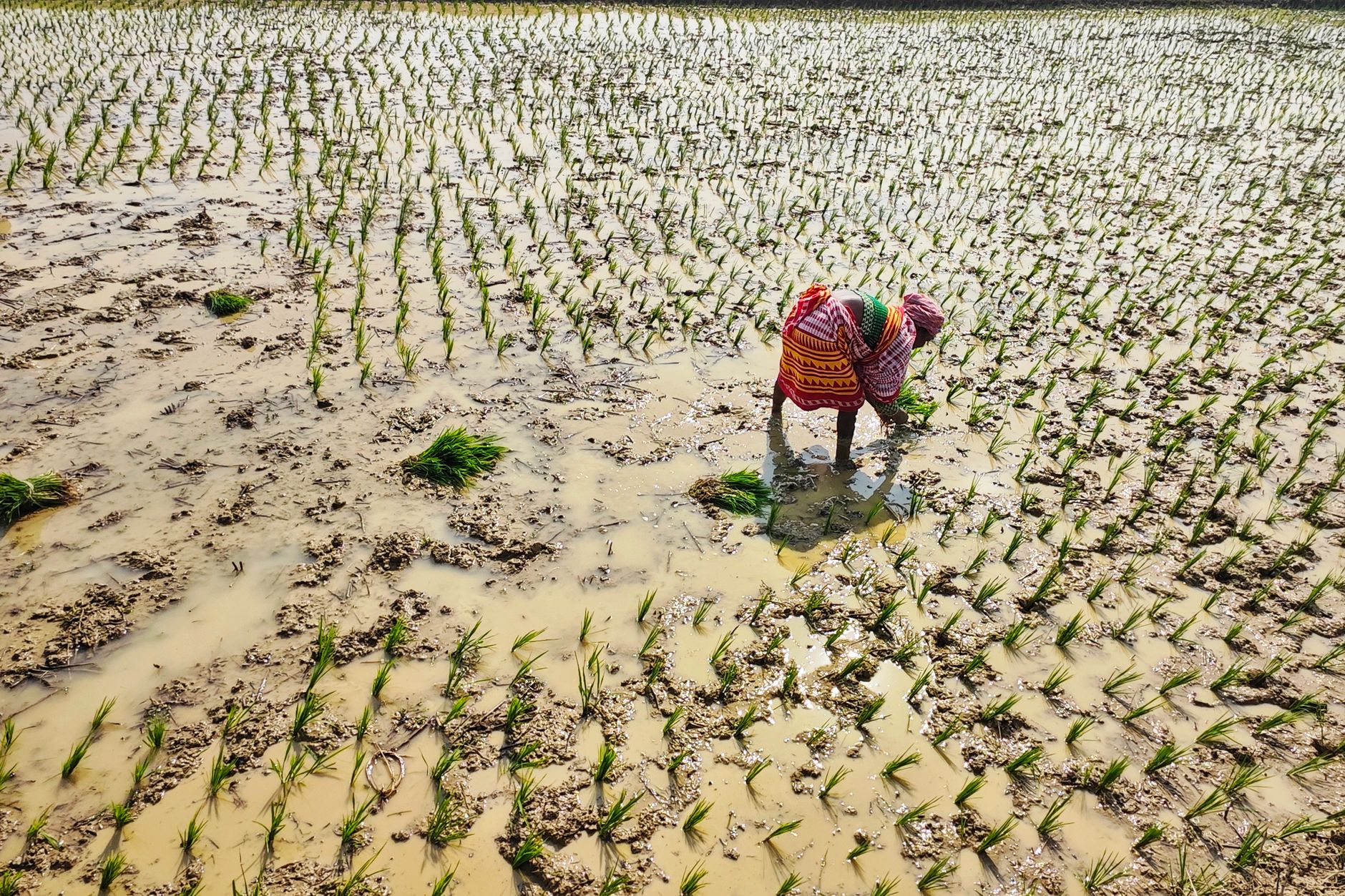
India's agricultural sector, which employs nearly half the country's workforce, remains heavily dependent on monsoon rainfall. With climate change making rainfall patterns increasingly erratic, the question of whether improved seed technology can offer a solution has become both an agricultural and investment concern. The answer involves examining both the technological possibilities and the economic realities facing Indian farmers.
The Monsoon Dependency Problem
Indian agriculture relies on monsoon rains for approximately 60 percent of its water needs. When monsoons fail or arrive late, crop yields suffer dramatically, affecting farmer incomes and food security. The 2023 El Niño pattern disrupted normal rainfall across several states, reminding stakeholders of this persistent vulnerability. This dependency creates not just agricultural risk but also economic instability for millions of farming households.
The traditional approach of relying on irrigation infrastructure has proven costly and slow to implement. Only about 48 percent of India's agricultural land has access to irrigation facilities, leaving the remainder dependent on timely and adequate rainfall.
The Seed Technology Revolution
Modern seed technology offers several promising solutions to monsoon uncertainty. Drought-resistant varieties can survive with significantly less water than conventional crops, while early-maturing seeds allow farmers to complete growing cycles before seasonal water stress occurs. Heat-tolerant varieties help crops withstand the higher temperatures that often accompany poor monsoons.
Hybrid seeds have shown yield improvements of 20-40 percent over traditional varieties in many crops. Biotechnology has enabled the development of seeds with enhanced root systems that can access deeper soil moisture, and varieties with improved water use efficiency that produce more crop per drop of water consumed.
Investment Opportunities in Agritech
The seed technology sector has attracted substantial investment interest in recent years. Major seed companies have expanded their research budgets, while agritech startups are developing innovative solutions ranging from gene-edited crops to data-driven seed recommendation platforms.
Private equity and venture capital firms have invested over USD 500 million in Indian agritech companies in recent years, with seed technology forming a significant portion of this funding. These investments recognize both the social impact potential and the commercial opportunity in serving India's vast farming community.
Economic Barriers to Adoption
Despite technological advances, several economic factors limit the adoption of improved seeds. Quality seeds typically cost 2-3 times more than saved seeds from previous harvests, representing a significant upfront investment for small and marginal farmers. Many farmers, operating on thin margins, find this initial cost prohibitive even when long-term returns might be favorable.
Access to credit remains a challenge, as does the availability of authentic, quality seeds in rural areas. Counterfeit seeds and poor storage conditions can undermine farmer confidence in purchasing improved varieties.
The Role of Government and Policy
Government initiatives like the National Mission for Sustainable Agriculture and various seed subsidy programs aim to bridge the affordability gap. However, implementation varies significantly across states. The quality control infrastructure for seeds needs strengthening to ensure farmers receive genuine products that perform as promised.
Policy decisions around genetically modified crops also impact the seed technology landscape. While Bt cotton has been widely adopted, regulatory hesitation around other GM crops has limited options available to farmers.
Beyond Seeds: A Systems Approach
Agricultural experts increasingly recognize that seeds alone cannot solve the monsoon problem. Improved seeds work best when combined with appropriate farming practices, soil health management, and crop insurance schemes. Drip irrigation, mulching, and soil moisture conservation techniques multiply the benefits of drought-resistant varieties.
Financial inclusion through crop insurance and weather-based derivatives can help farmers manage risk even when improved seeds don't fully compensate for poor monsoons. Digital platforms that provide weather forecasts and agronomy advice help farmers make better decisions about which seeds to plant and when.
Investment Considerations
For investors, the seed technology sector offers exposure to a structural growth story driven by climate adaptation needs and government support for agricultural modernization. However, risks include regulatory uncertainty, the slow pace of farmer adoption, and execution challenges in rural distribution.
Companies with strong research pipelines, established dealer networks, and affordable product portfolios appear best positioned to capture this opportunity. The sector benefits from relatively stable demand regardless of economic cycles, as food production remains essential.
The question of whether better seeds can solve farmers' monsoon problems has a nuanced answer: they are a crucial part of the solution but not a complete answer in themselves. Combined with supporting infrastructure, policy support, and farmer education, improved seed technology represents both a pathway toward agricultural resilience and a significant investment opportunity.
This article is for general informational purposes only and should not be considered investment advice. Readers should conduct their own research and consult with qualified financial advisors before making investment decisions.