Germany has emerged as a top European destination for Indian travellers, with tourism authorities noting a marked increase in travel enquiries and bookings from the Indian market. This surge reflects broader trends in international travel preferences and India's growing middle class seeking diverse cultural experiences abroad.
Why Germany Appeals to Indian Travellers
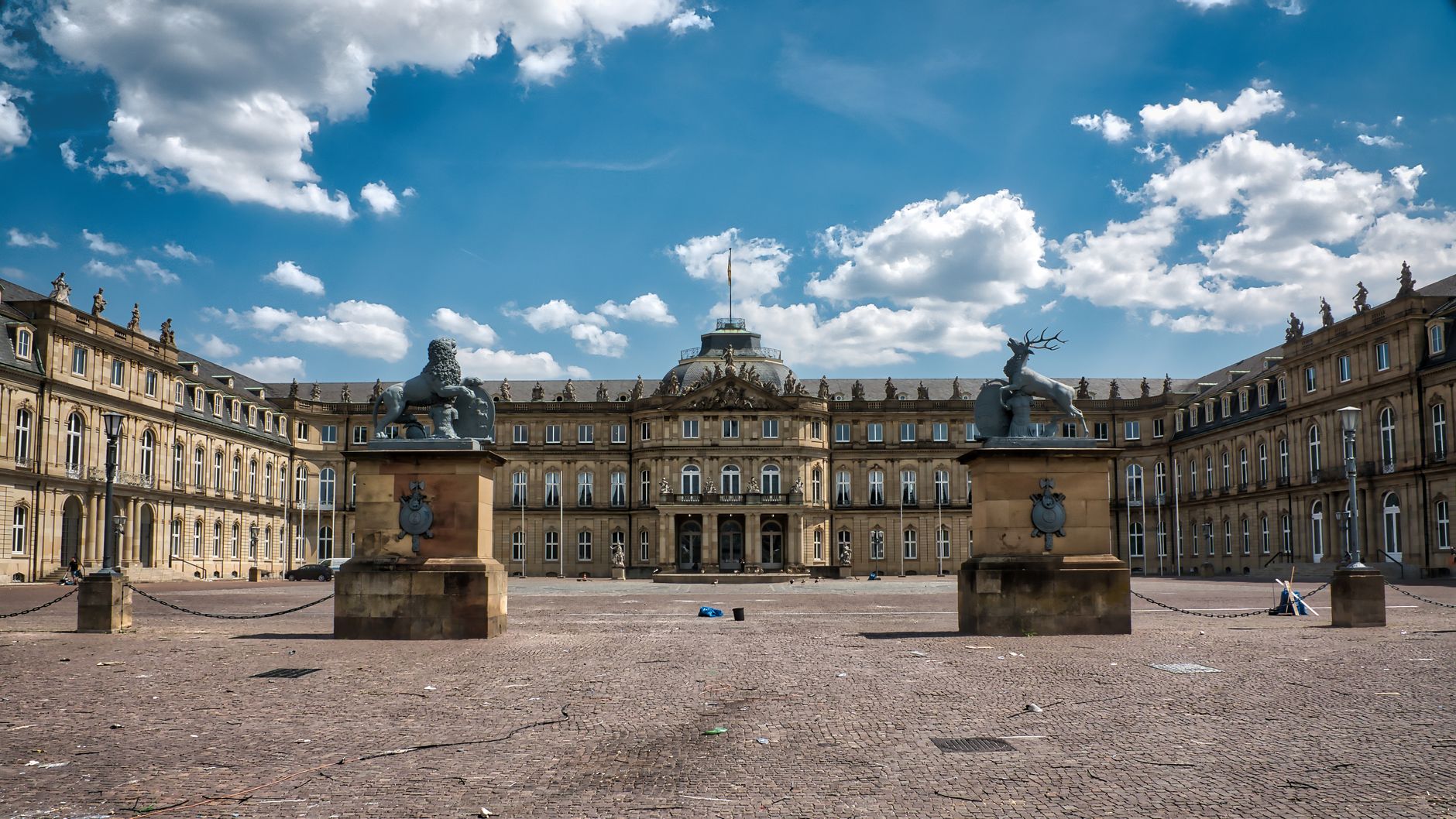
Germany offers a compelling mix of historical landmarks, modern infrastructure, cultural diversity, and natural beauty that resonates with Indian tourists. From the fairy-tale castles of Bavaria to the vibrant urban landscapes of Berlin and Munich, the country presents a varied itinerary that appeals to different traveller segments.
The country's reputation for efficiency, safety, and cleanliness makes it particularly attractive to first-time European visitors and families. Additionally, Germany's central location in Europe allows travellers to easily combine their German visit with trips to neighbouring countries, maximizing the value of their international journey.
Popular Destinations and Experiences
Indian tourists typically gravitate toward several key German destinations. Munich remains a perennial favourite, offering the perfect blend of traditional Bavarian culture, world-class museums, and proximity to the Alps. The city's Marienplatz, English Garden, and the famous Neuschwanstein Castle nearby are major draws.
Berlin attracts younger travellers and history enthusiasts with its dynamic arts scene, historical significance, and vibrant nightlife. The Berlin Wall remnants, Brandenburg Gate, and Museum Island feature prominently on most itineraries.
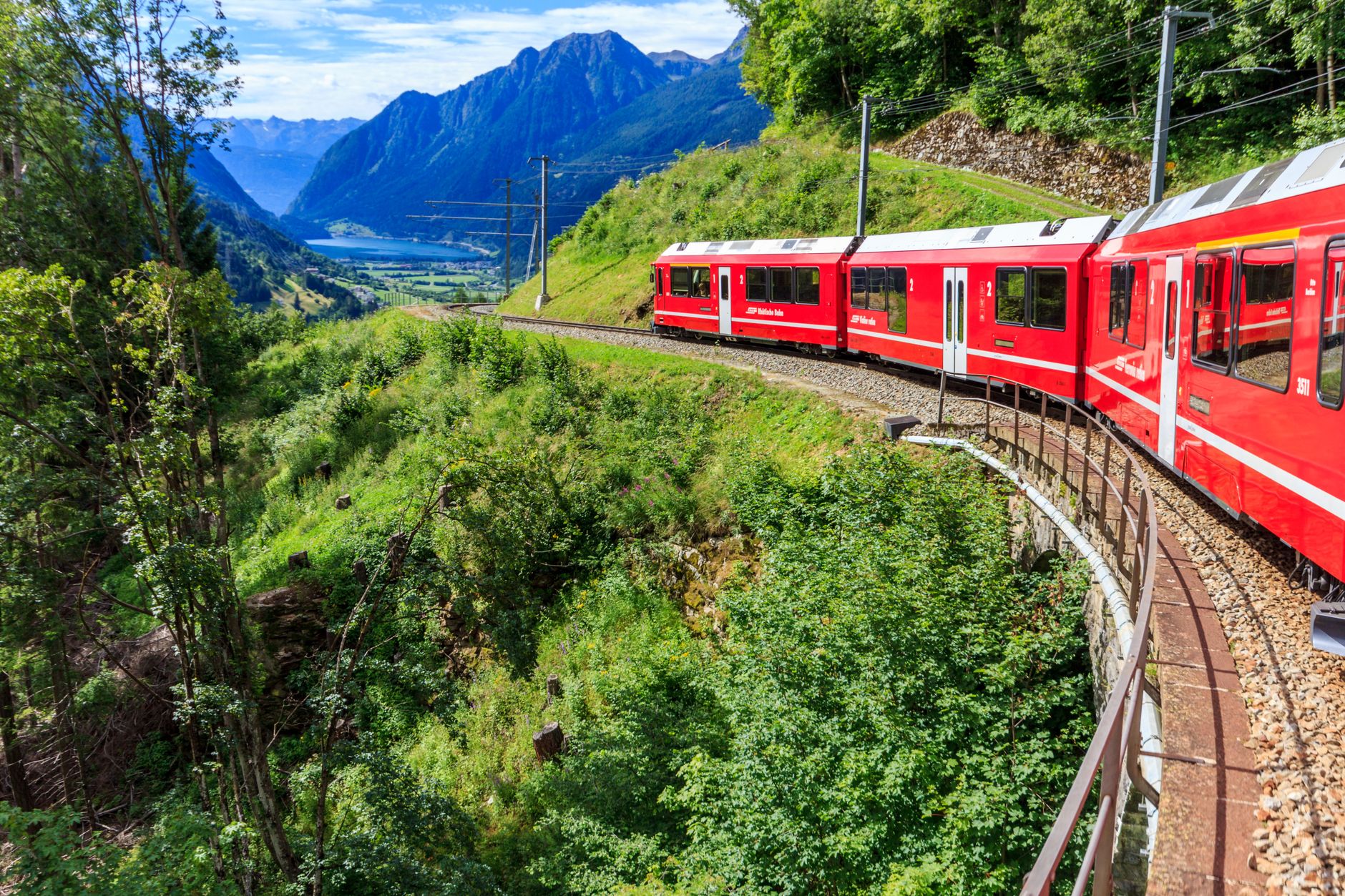
Frankfurt serves as a major entry point and business travel hub, while the Rhine Valley's romantic landscapes and medieval castles appeal to couples and photography enthusiasts. The Christmas markets across German cities have also become increasingly popular among Indian travellers planning winter trips.
Factors Driving Increased Interest
Several factors contribute to the growing Indian interest in German travel. Improved air connectivity between major Indian cities and German hubs has made the destination more accessible. Multiple airlines now offer direct and convenient connecting flights, reducing travel time and costs.
The simplification of Schengen visa processes and increased visa appointment availability have also played a role. While challenges remain during peak seasons, the overall experience has improved compared to previous years.
Germany's investment in tourism infrastructure catering to international visitors, including multilingual services and diverse culinary options, has made Indian travellers feel more welcome. Many hotels and restaurants now accommodate dietary preferences, including vegetarian and Jain food requirements.
The Role of Digital Marketing and Social Media
Social media platforms have significantly influenced destination choices among Indian millennials and Gen Z travellers. Stunning photographs of German castles, autumn landscapes, and Christmas markets circulate widely on Instagram and other platforms, inspiring wanderlust and influencing travel decisions.
Travel influencers and bloggers sharing their German experiences have made the destination more relatable and accessible. Detailed itineraries, budget breakdowns, and practical tips available online have demystified European travel for many first-time visitors.
Economic and Cultural Factors
India's growing economy and rising disposable incomes have expanded the pool of potential international travellers. The aspiration to experience European culture, coupled with the relative strength of European destinations in offering value for money compared to some other international options, has worked in Germany's favour.
Educational and professional connections between India and Germany have also fostered people-to-people ties. Many Indian students pursue higher education in Germany, and their positive experiences often translate into tourism recommendations to family and friends.
Seasonal Trends and Travel Patterns
Indian travellers typically plan German trips during specific periods. Summer months remain popular for family vacations, coinciding with school holidays. However, there's growing interest in shoulder seasons—spring and autumn—when weather is pleasant and crowds are smaller.
The December Christmas market season has carved out a special niche, with many Indians specifically timing their visits to experience this unique cultural phenomenon. Winter sports in the Bavarian Alps are also gaining traction among adventure-seeking Indian tourists.
Future Outlook
The trajectory of Indian tourist interest in Germany appears positive. As international travel continues recovering and normalizing post-pandemic, pent-up demand combined with improved accessibility suggests sustained growth in this market segment.
Germany's tourism authorities are likely to continue tailoring marketing efforts toward Indian travellers, potentially introducing more India-specific packages and cultural initiatives. The increasing ease of travel, combined with Germany's diverse offerings, positions it well to capture a significant share of India's outbound tourism market.
The relationship between Indian travellers and German tourism represents a mutually beneficial dynamic that supports both countries' tourism economies while fostering cultural exchange and understanding.