India's travel industry is experiencing a remarkable resurgence as the summer travel season approaches, with hotel and resort searches surging by 22% according to recent data. This substantial increase reflects a broader trend of Indians eager to travel domestically, capitalizing on improved economic conditions and the continued recovery from pandemic-era restrictions.
Understanding the Summer Travel Boom
The 22% rise in hospitality-related searches indicates more than just seasonal interest. It demonstrates a fundamental shift in how Indians are prioritizing travel and leisure experiences. Summer months, particularly April through June, have traditionally been peak travel periods in India, coinciding with school holidays and offering families the opportunity to explore new destinations or revisit favorite spots.
Several factors are driving this increased interest. Rising disposable incomes among India's middle class have made travel more accessible. Additionally, the proliferation of digital platforms has simplified the process of researching, comparing, and booking accommodations, making spontaneous travel more feasible than ever before.
Key Destinations Driving Growth
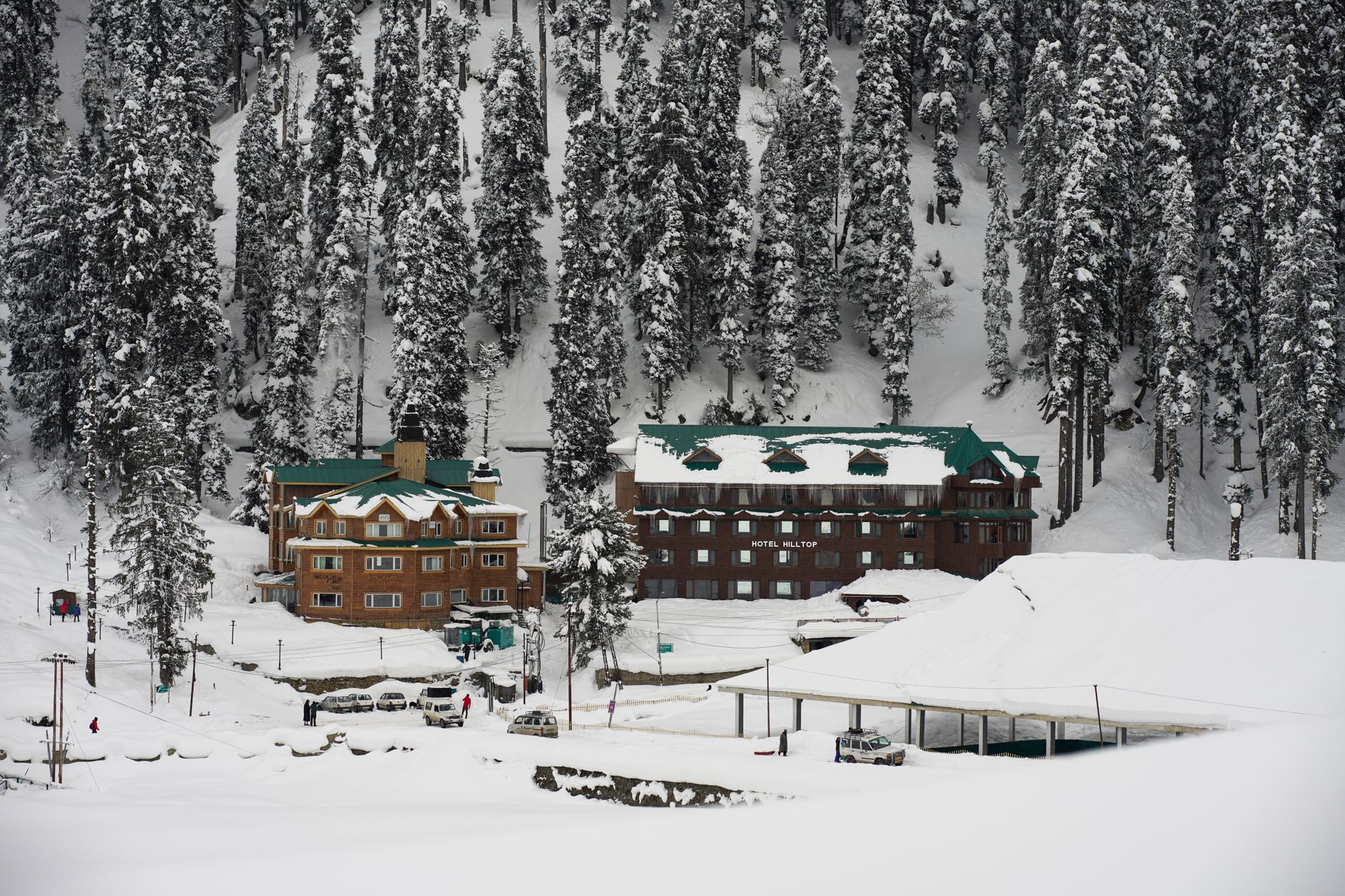
Hill stations and coastal destinations typically see the highest surge during summer months. Places like Shimla, Manali, Ooty, and Munnar attract tourists seeking respite from scorching plains temperatures. Meanwhile, beach destinations such as Goa, Kerala's coastline, and the Andaman Islands remain perennially popular choices for summer travelers.
The data suggests that both budget and premium segments are witnessing growth. Budget-conscious travelers are exploring value-for-money options, while premium resorts are attracting affluent Indians willing to spend on luxury experiences. This dual-track growth indicates a healthy diversification in the hospitality sector's customer base.
Digital Transformation in Travel Planning
The substantial increase in online searches reflects India's digital-first approach to travel planning. Consumers today conduct extensive research before booking, comparing prices, reading reviews, and examining photographs across multiple platforms. This behavior has made search trends a reliable indicator of actual booking intentions and eventual travel patterns.
Mobile internet penetration has played a crucial role in democratizing access to travel information. Even tier-2 and tier-3 city residents can now easily explore accommodation options nationwide, contributing to the geographical spread of demand beyond traditional metropolitan travelers.
Economic Implications for Hospitality
This surge represents welcome news for India's hospitality sector, which employs millions directly and indirectly. Hotels, resorts, restaurants, tour operators, and ancillary services all benefit from increased travel activity. The 22% rise in searches likely translates to proportional increases in actual bookings, occupancy rates, and revenue for hospitality businesses.
For small and medium enterprises in the hospitality space, this trend offers significant growth opportunities. Boutique hotels, homestays, and regional resorts can capitalize on travelers seeking authentic, localized experiences beyond standardized chain hotels.
Challenges and Considerations
Despite the positive momentum, the sector faces challenges. Infrastructure constraints in popular destinations can lead to overcrowding during peak seasons. Additionally, price surges during high-demand periods may deter some budget-conscious travelers.
Environmental sustainability remains another concern as increased tourism pressure tests the carrying capacity of ecologically sensitive destinations. Responsible tourism practices and better regulation will be essential to ensure long-term viability.
Looking Ahead
The 22% search increase suggests a robust summer season ahead for India's hospitality industry. As consumer confidence remains strong and travel aspirations continue growing, the sector is well-positioned for sustained growth. However, maintaining service quality, managing seasonal demand fluctuations, and investing in infrastructure will be critical for capitalizing on this momentum.
For travelers, the increased competition among hospitality providers may translate to better deals and improved services. Early booking remains advisable during peak periods to secure preferred accommodations at competitive rates.
The hospitality sector's performance serves as a barometer for broader economic health, and current trends indicate positive consumer sentiment and discretionary spending power. As India continues its economic trajectory, travel and tourism are likely to remain strong growth sectors, contributing significantly to employment generation and regional development.