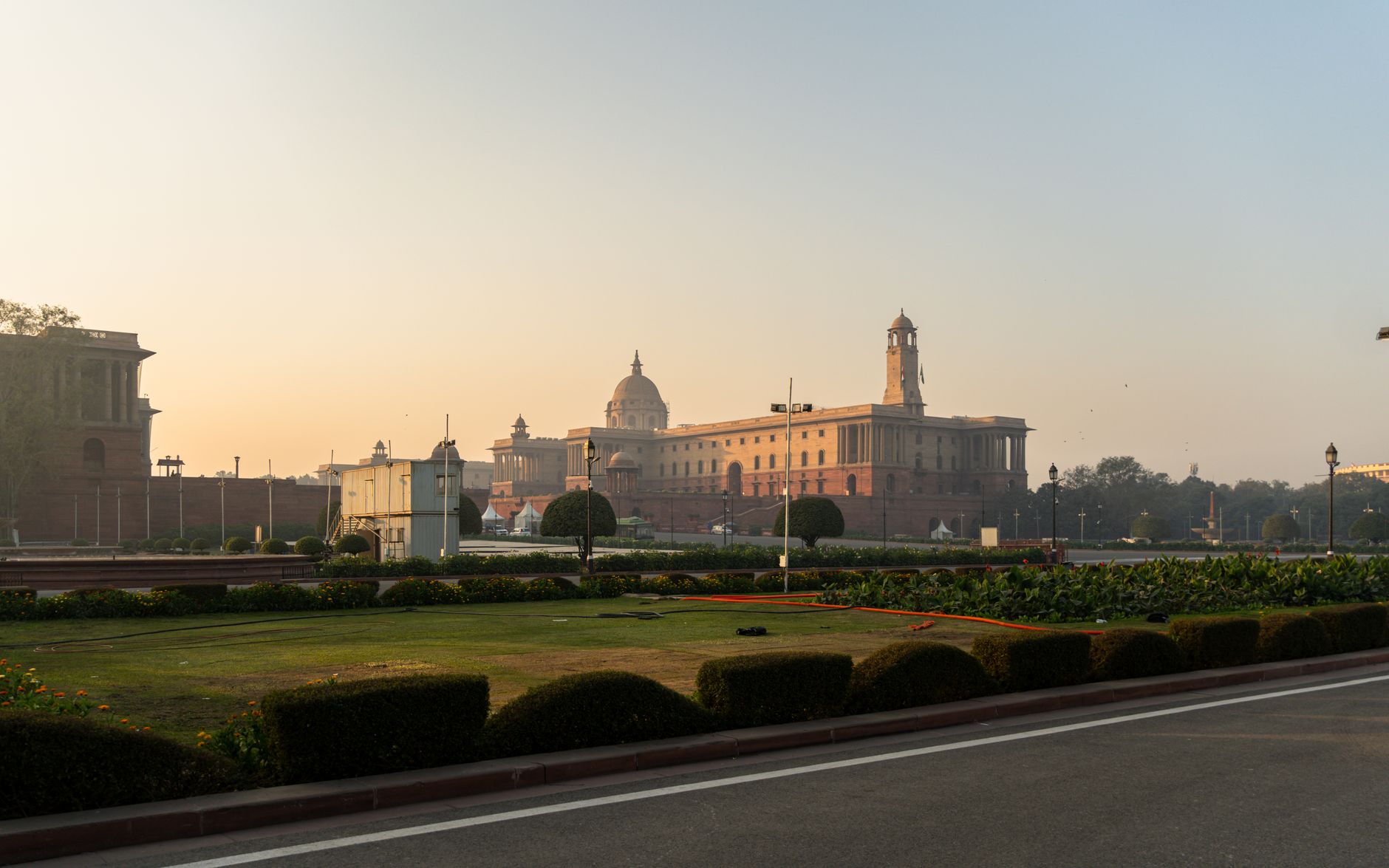
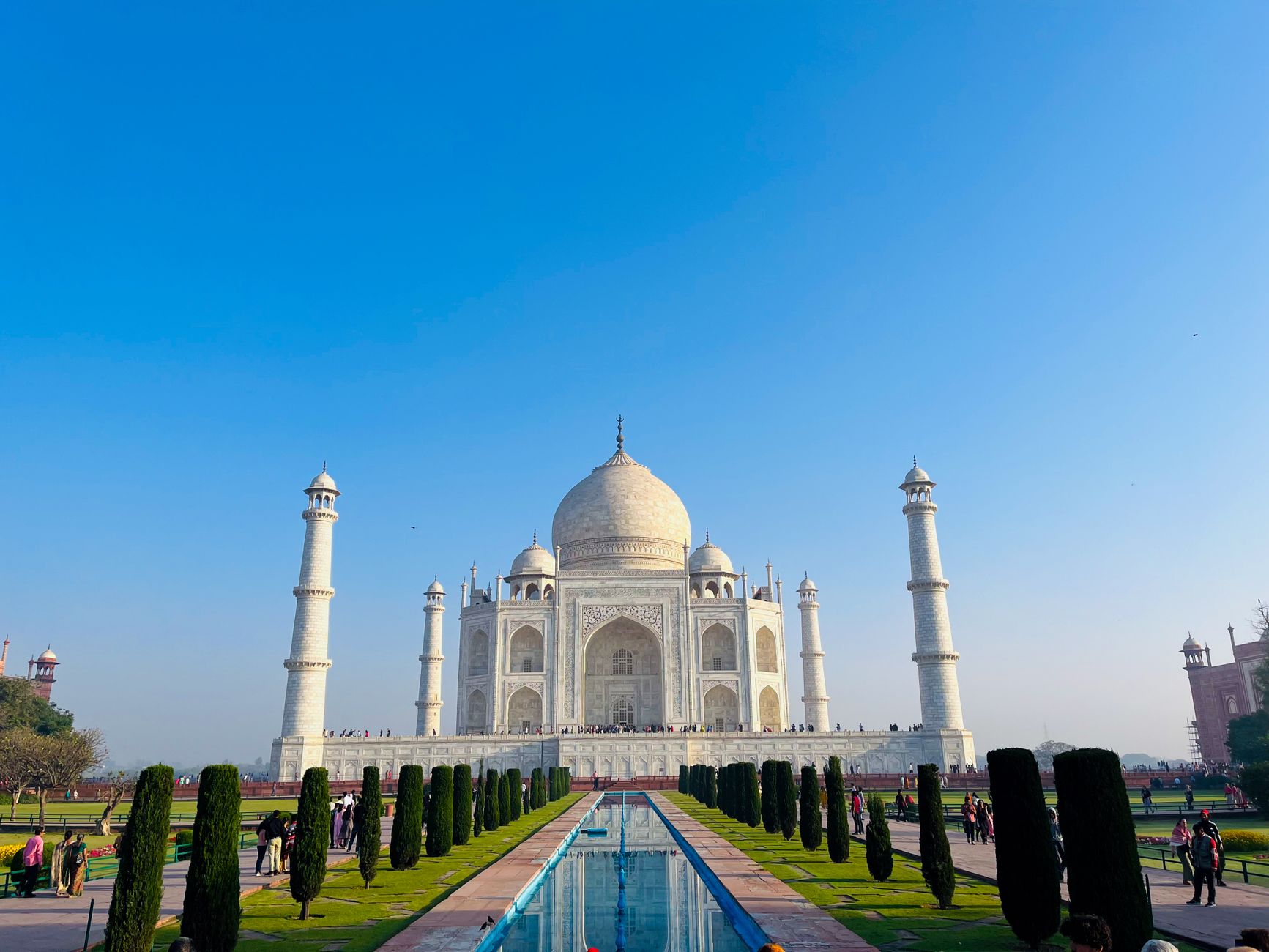
India's travel and tourism sector is experiencing a tale of two narratives, according to recent industry assessments. The sector's contribution to GDP has expanded by an impressive 7.3%, yet this growth masks an underlying challenge: international visitors are spending less money despite the country's efforts to attract global tourists.
The Domestic Travel Boom Driving Growth
The primary engine behind India's tourism GDP expansion has been the surging domestic travel market. Indian households have increasingly embraced leisure travel, weekend getaways, and exploration of heritage sites within the country. Rising middle-class incomes, improved connectivity through expanded flight routes and highway networks, and a growing appetite for experiential travel have all contributed to this domestic tourism renaissance.
The pandemic fundamentally altered travel behaviors, with many Indians who previously preferred international holidays now discovering the diverse offerings within their own country. From the backwaters of Kerala to the mountains of Himachal Pradesh, domestic destinations have witnessed unprecedented footfall and revenue growth.
The International Visitor Spending Paradox
Despite India's efforts to promote itself as a must-visit destination through campaigns like "Incredible India" and visa liberalization measures, international visitor spending has declined. This presents a concerning trend for an industry that traditionally relies on foreign tourists for higher per-capita expenditure.
Several factors may explain this phenomenon:
- Economic uncertainties in key source markets have made travelers more budget-conscious
- Competition from other Asian destinations offering perceived better value
- Infrastructure gaps in certain tourist circuits affecting visitor experience
- Rising costs of hotels and services in popular destinations
- Shorter average duration of stays by international visitors
What This Means for India's Tourism Strategy
The spending decline among international visitors suggests that India may be attracting more budget-conscious travelers or that visitors are finding the country less competitive on value-for-money compared to alternatives like Thailand, Vietnam, or Indonesia. This requires strategic recalibration.
The government and tourism stakeholders must focus on enhancing the quality of tourist experiences rather than merely increasing arrivals. This includes addressing pain points like cleanliness at tourist sites, improving last-mile connectivity, streamlining permit processes for restricted areas, and ensuring consistent service standards across price categories.
Opportunities in the Current Scenario
Despite the international spending challenge, the robust domestic market presents significant opportunities. Indian travelers are increasingly seeking premium experiences, from luxury resorts to adventure tourism and wellness retreats. This segment can partially compensate for lower international spending if properly cultivated.
The growth in domestic tourism also creates employment opportunities in tier-2 and tier-3 cities, distributing economic benefits beyond traditional tourist hotspots. States that invest in developing unique tourism propositions—whether cultural, adventure, or eco-tourism—stand to benefit substantially from this growing market.
The Path Forward
To reverse the declining international visitor expenditure trend, India needs a multi-pronged approach. Developing niche tourism segments like medical tourism, spiritual tourism, and MICE (Meetings, Incentives, Conferences, and Exhibitions) can attract higher-spending visitors. These segments typically involve longer stays and greater ancillary spending.
Investment in tourist infrastructure, particularly in emerging destinations, can help distribute visitor flows and reduce pressure on overcrowded sites. Enhanced digital integration for bookings, information, and payments can improve visitor convenience and encourage spending.
Training hospitality workers and tour operators to deliver world-class experiences will be crucial. The gap between India's tourism potential and actual visitor spending often lies in execution and service delivery rather than the inherent appeal of destinations.
Balancing Growth and Sustainability
As domestic tourism continues its upward trajectory, sustainability must remain central to development planning. Overcrowding at popular sites, environmental degradation, and strain on local resources are real concerns that can ultimately harm both visitor experience and community well-being.
The 7.3% GDP growth in tourism represents significant economic momentum, but converting this into sustainable, high-quality growth requires addressing the international visitor spending decline head-on. The coming years will test India's ability to build a tourism sector that delivers both volume and value, creating prosperity while preserving the cultural and natural heritage that makes the country attractive to travelers in the first place.