The contrast is striking and increasingly difficult to ignore. While government leaders champion initiatives like the National Education Policy and speak about building world-class institutions in India, a growing number of their own children pursue higher education in universities abroad. This apparent disconnect has become a lightning rod for criticism as millions of Indian students struggle with inadequate infrastructure, outdated curricula, and limited opportunities in domestic institutions.
The Scale of India's Education Challenge
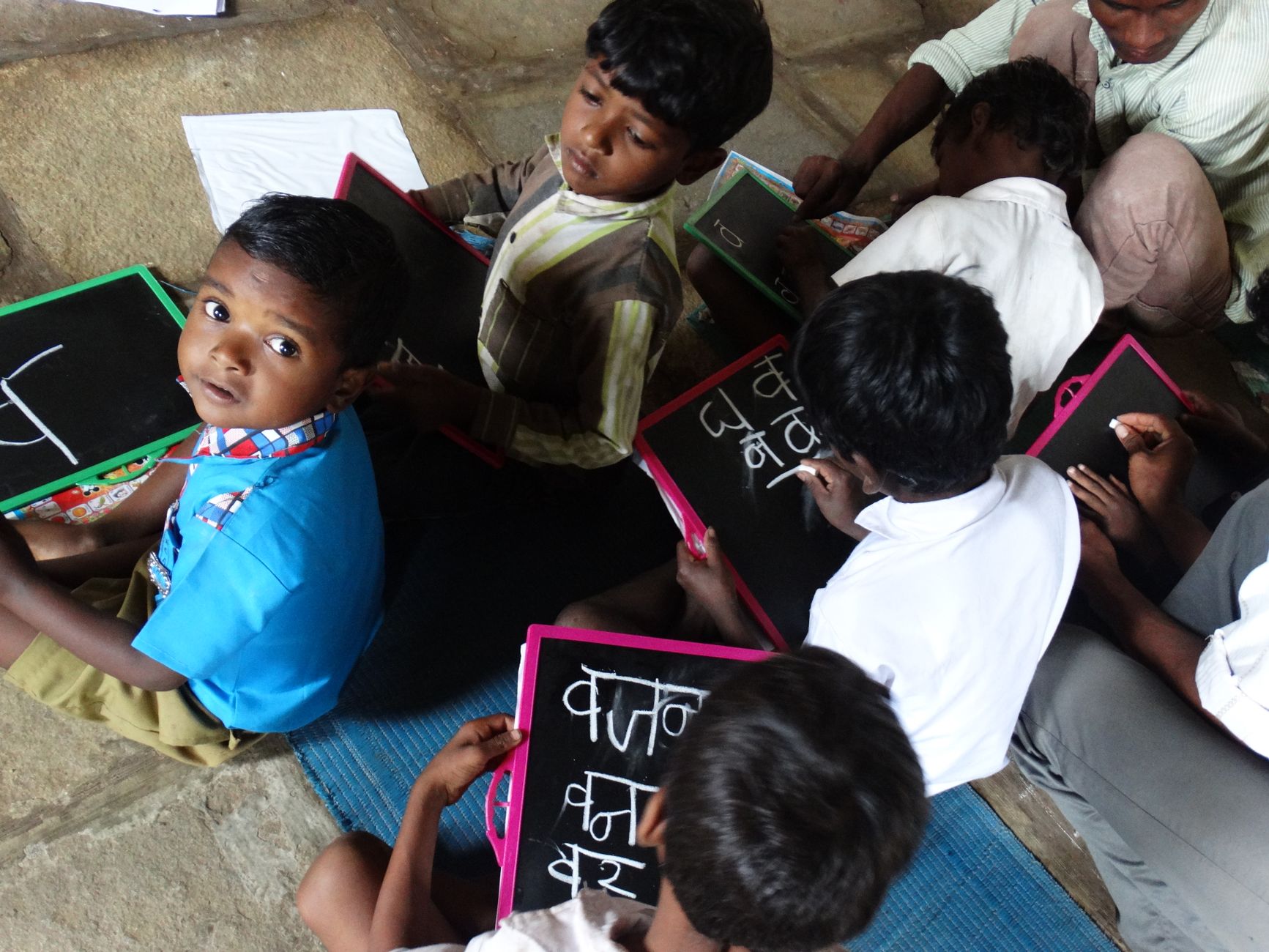
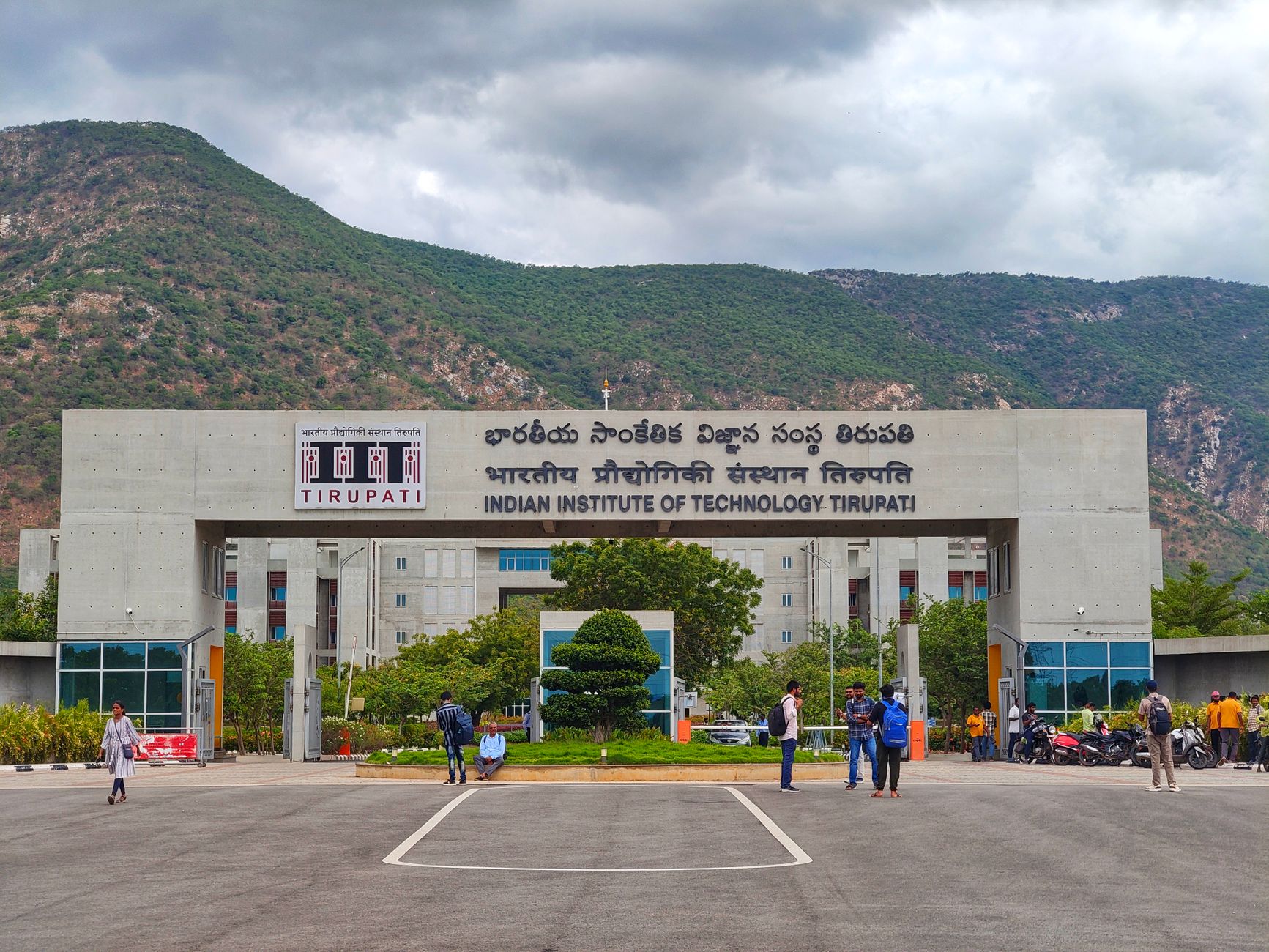
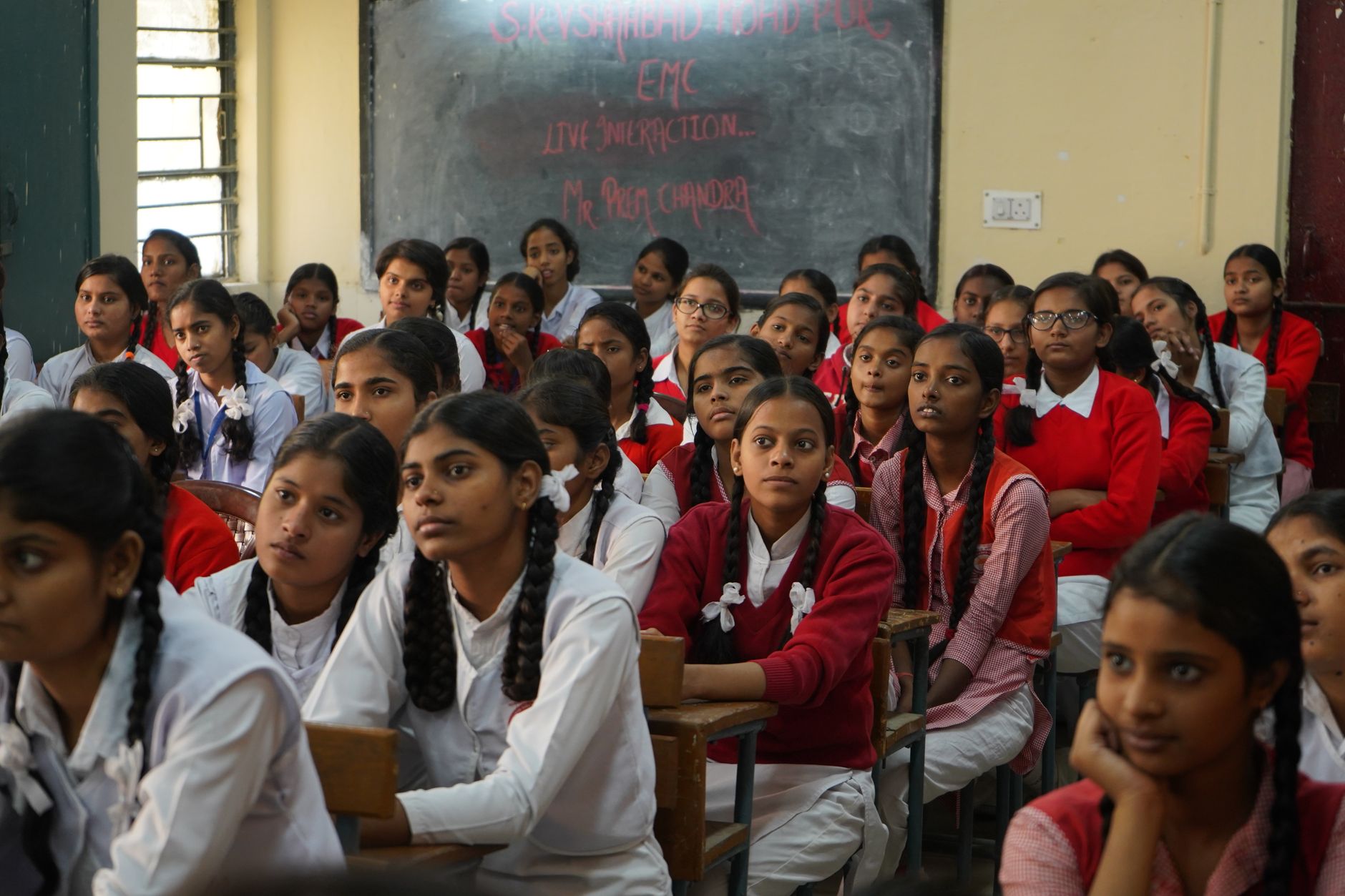
India's education system serves over 250 million students, making it one of the largest in the world. Yet quantity has not translated to quality. Government schools often lack basic facilities like functional toilets, libraries, and science laboratories. Teacher absenteeism remains problematic in rural areas, and the student-to-teacher ratio frequently exceeds recommended levels. At the higher education level, while India boasts prestigious institutions like the IITs and IIMs, these serve only a tiny fraction of students. Most colleges struggle with outdated teaching methods, inadequate research funding, and poor employability outcomes.
The learning crisis became particularly visible during the pandemic, when digital divides left millions of students without access to online education. Post-pandemic assessments have revealed alarming learning gaps, with students lagging years behind expected grade levels in literacy and numeracy.
Why the Abroad Education Trend Matters
When policymakers and their families opt out of the system they oversee, it sends a powerful message about perceived quality. Ministers and senior officials often cite reasons like specialized courses, global exposure, and better research opportunities for sending children abroad. These justifications, while individually understandable, collectively highlight the deficiencies in India's own education ecosystem.
The financial aspect also deserves scrutiny. Foreign education often costs lakhs of rupees annually, placing it beyond reach for average Indian families. When leaders who decide education budgets choose foreign institutions for their own children, questions arise about their commitment to improving domestic options.
The Brain Drain Connection
This trend connects to India's broader brain drain challenge. Each year, hundreds of thousands of students leave for countries like the United States, United Kingdom, Canada, and Australia. While many eventually return, a significant proportion settle abroad, taking their skills and potential contributions elsewhere. When leadership families participate in this exodus, it potentially normalizes the idea that success requires leaving India.
Systemic Reforms Needed
Addressing this credibility gap requires more than rhetoric. India needs substantial investment in education infrastructure, particularly at the primary and secondary levels where foundations are built. Teacher training programs require modernization, and compensation structures should attract talented individuals to the profession.
At the higher education level, universities need genuine autonomy, adequate funding for research, and flexibility to design relevant curricula. The emphasis should shift from rote memorization to critical thinking, creativity, and practical skills that match evolving job market demands.
Regulatory reforms could reduce bureaucratic obstacles that prevent institutions from innovating and collaborating with industry. Public-private partnerships might help bridge funding gaps while maintaining quality standards.
International Examples and Domestic Potential
Countries like China, South Korea, and Singapore have demonstrated that emerging economies can build world-class education systems within decades through sustained investment and political will. India has pockets of excellence that prove domestic institutions can compete globally when properly resourced and managed.
Several Indian universities have improved their international rankings through focused reforms, better faculty recruitment, and enhanced research output. These successes show what becomes possible with adequate support and freedom from excessive bureaucracy.
The Path Forward
The controversy surrounding ministers' children studying abroad should serve as a catalyst for honest conversation about education priorities. Rather than defensive justifications, the situation calls for acknowledging gaps and committing to concrete improvement timelines.
Transparency about education quality challenges, combined with measurable goals and accountability mechanisms, could help rebuild trust. When leaders invest not just policy attention but personal stakes in domestic institutions, it demonstrates genuine confidence in the system's trajectory.
Ultimately, India's aspiration to become a developed nation depends fundamentally on education quality. No amount of infrastructure development or digital transformation can compensate for human capital deficits. The question isn't whether ministers' children should study abroad, but whether India will create conditions where staying home becomes an equally attractive choice for families across all economic strata.