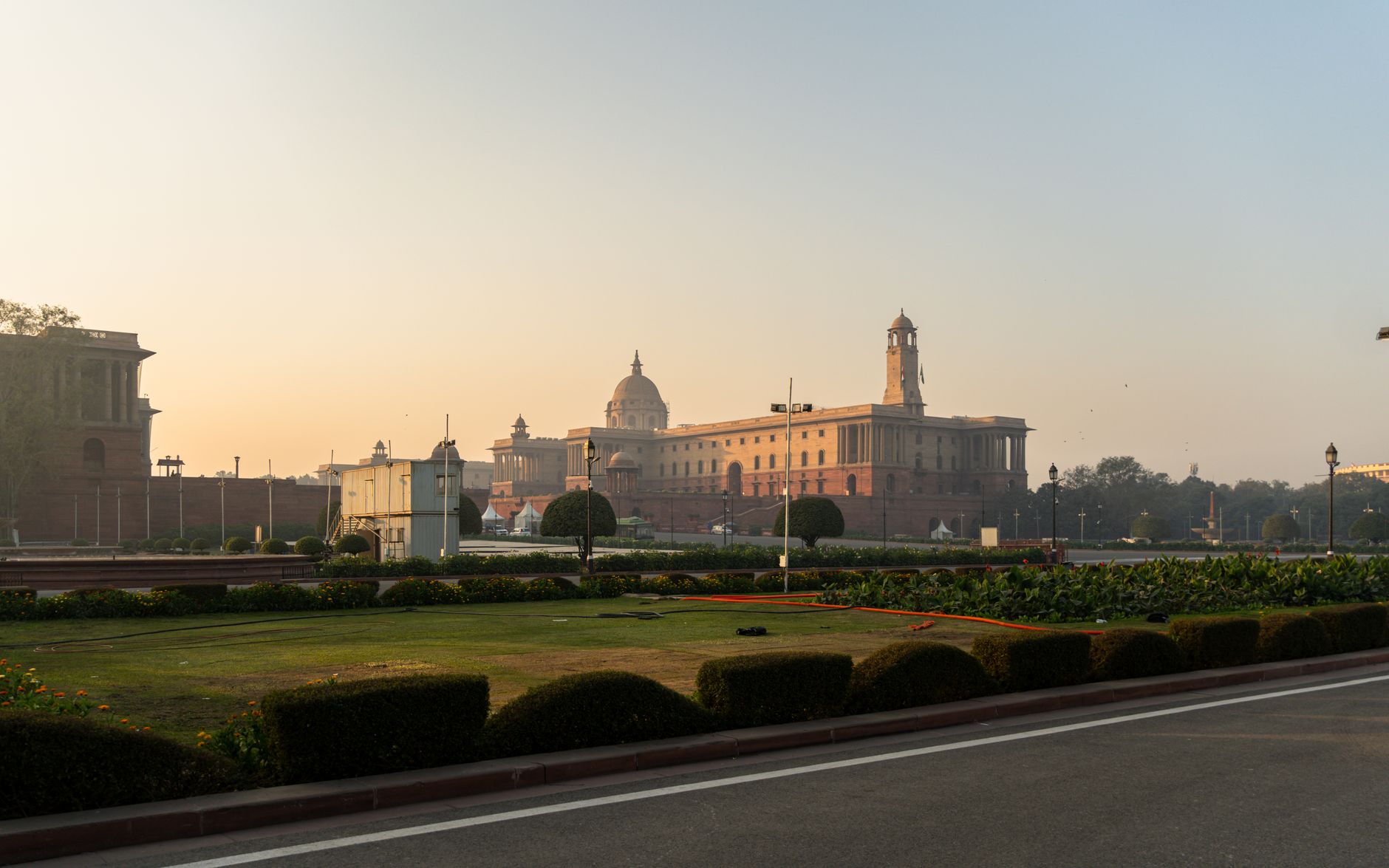
India has witnessed a remarkable transformation in its tourism sector over the last ten years, evolving from a destination often criticised for inadequate infrastructure to one that increasingly competes on the global stage. This metamorphosis has been driven by strategic investments in connectivity, a revitalisation of spiritual tourism circuits, and comprehensive infrastructure upgrades that have made travel across the country smoother and more appealing.
The Infrastructure Revolution
The foundation of India's tourism growth has been laid through significant infrastructure development. Major cities and tourist destinations have seen airports expanded or newly constructed, with terminals designed to handle growing passenger volumes. The number of operational airports has increased substantially, connecting tier-two and tier-three cities directly to major metros and reducing travel time considerably.
Road connectivity has similarly improved, with expressways cutting journey times between popular destinations. The Golden Quadrilateral and various state highways have been upgraded, making road trips more feasible and comfortable. Highway amenities including rest stops, clean facilities, and food courts have enhanced the overall travel experience for domestic tourists who prefer road journeys.
Railway modernisation has perhaps been the most visible change. Introduction of Vande Bharat trains, station redevelopment projects, and improved cleanliness standards have elevated the rail travel experience. Online booking systems and digital payment integration have simplified the reservation process, making train travel more accessible to tech-savvy younger generations.
Spiritual Tourism Takes Centre Stage
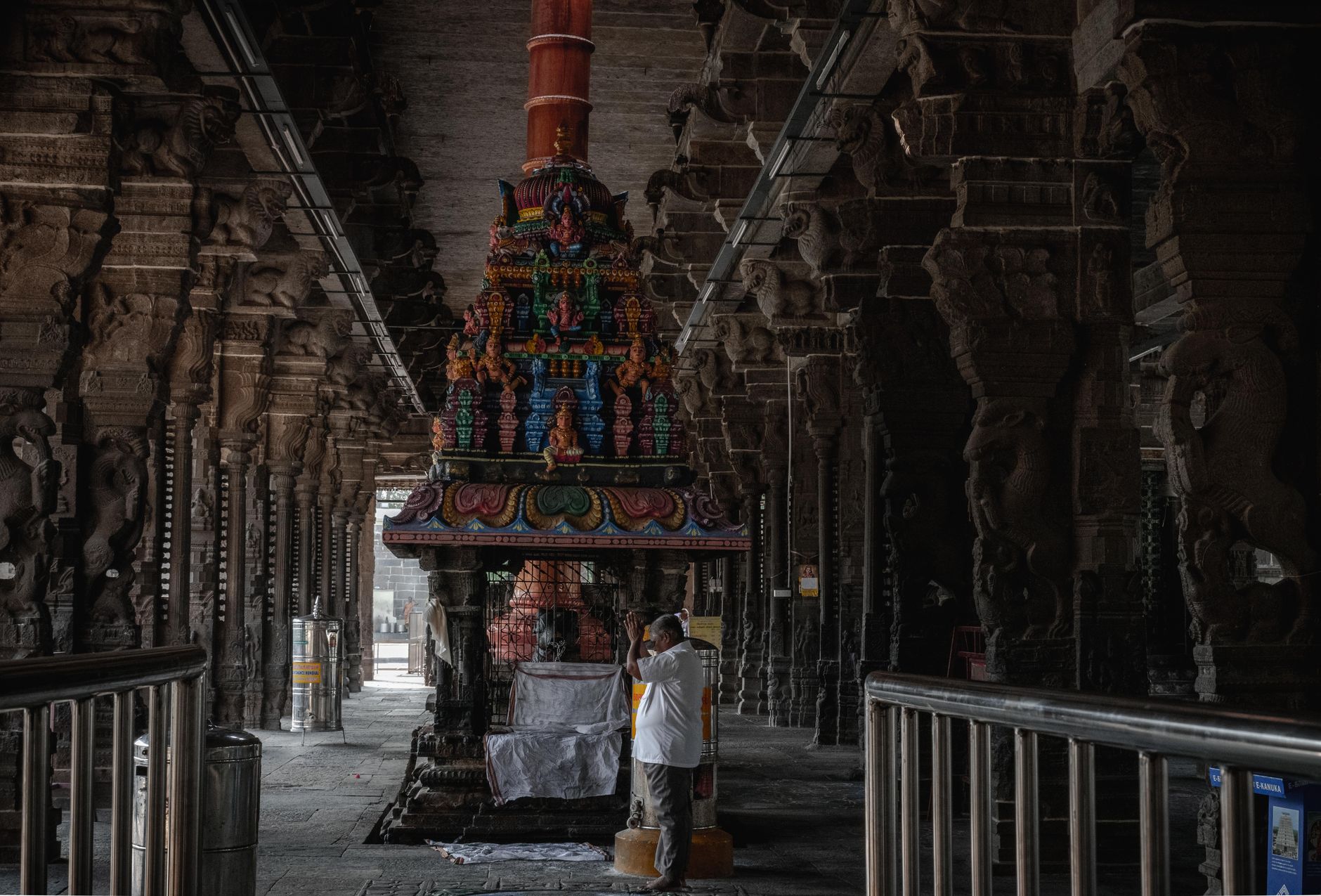
India's rich spiritual heritage has been strategically leveraged to attract both domestic and international visitors. The development of dedicated spiritual circuits has made it easier for pilgrims and cultural tourists to visit multiple related sites efficiently.
The Varanasi transformation stands as a prime example, with ghats being renovated, new infrastructure being built, and the Kashi Vishwanath Corridor project opening access to the ancient temple. Similar redevelopment has occurred at Ayodhya, Kedarnath, Amarnath, and numerous other pilgrimage sites across the country.
Buddhist circuits connecting sites associated with the Buddha's life have been developed to attract international tourists, particularly from Southeast and East Asia. Improved facilities at Bodh Gaya, Sarnath, and Kushinagar have made these locations more visitor-friendly while preserving their spiritual atmosphere.
Yoga and wellness tourism has emerged as another significant segment, with Rishikesh, Kerala, and Goa becoming internationally recognised destinations for authentic yoga experiences and Ayurvedic treatments. Government initiatives promoting India as the spiritual home of yoga have successfully attracted wellness tourists seeking transformative experiences.
Digital Connectivity and Travel Technology
The digital revolution has fundamentally changed how Indians plan and experience travel. Smartphone penetration and affordable data have enabled travellers to research destinations, compare prices, book accommodations, and navigate unfamiliar places with unprecedented ease.
Online travel aggregators and booking platforms have democratised access to travel deals, making tourism more affordable for middle-class families. The ability to read reviews, view photographs, and make informed decisions has increased traveller confidence, encouraging more frequent trips.
Digital payment systems have eliminated many friction points in travel, from purchasing tickets to paying at small establishments in remote locations. This has been particularly beneficial in encouraging travel to offbeat destinations where cash transactions were once the only option.
Visa Reforms and International Appeal
E-visa facilities have made India more accessible to international tourists, with simplified application processes and expanded country coverage. The introduction of tourist visas on arrival for selected nationalities has removed bureaucratic hurdles that previously deterred casual visitors.
Promotional campaigns showcasing India's diversity—from Himalayan adventures to coastal relaxation, wildlife safaris to cultural festivals—have improved the country's image as a multi-faceted destination rather than just a land of monuments and spirituality.
Emerging Trends and Future Outlook
Sustainable tourism and eco-tourism are gaining traction, with travellers increasingly seeking responsible travel options. Home-stays, community-based tourism, and wildlife conservation experiences are attracting visitors who want meaningful engagement with local cultures and environments.
Adventure tourism has expanded beyond traditional trekking, with offerings including river rafting, paragliding, scuba diving, and mountain biking becoming more organised and accessible. This diversification appeals to younger demographics seeking active holidays.
The growth of domestic tourism has been particularly noteworthy, with rising disposable incomes and changing lifestyles encouraging Indian families to travel more frequently. Weekend getaways and long-weekend trips have become common, sustaining tourism even during traditionally slower seasons.
India's tourism story over the past decade demonstrates how coordinated development across infrastructure, technology, and service sectors can unlock massive potential, creating economic opportunities while showcasing the nation's cultural and natural wealth to the world.