
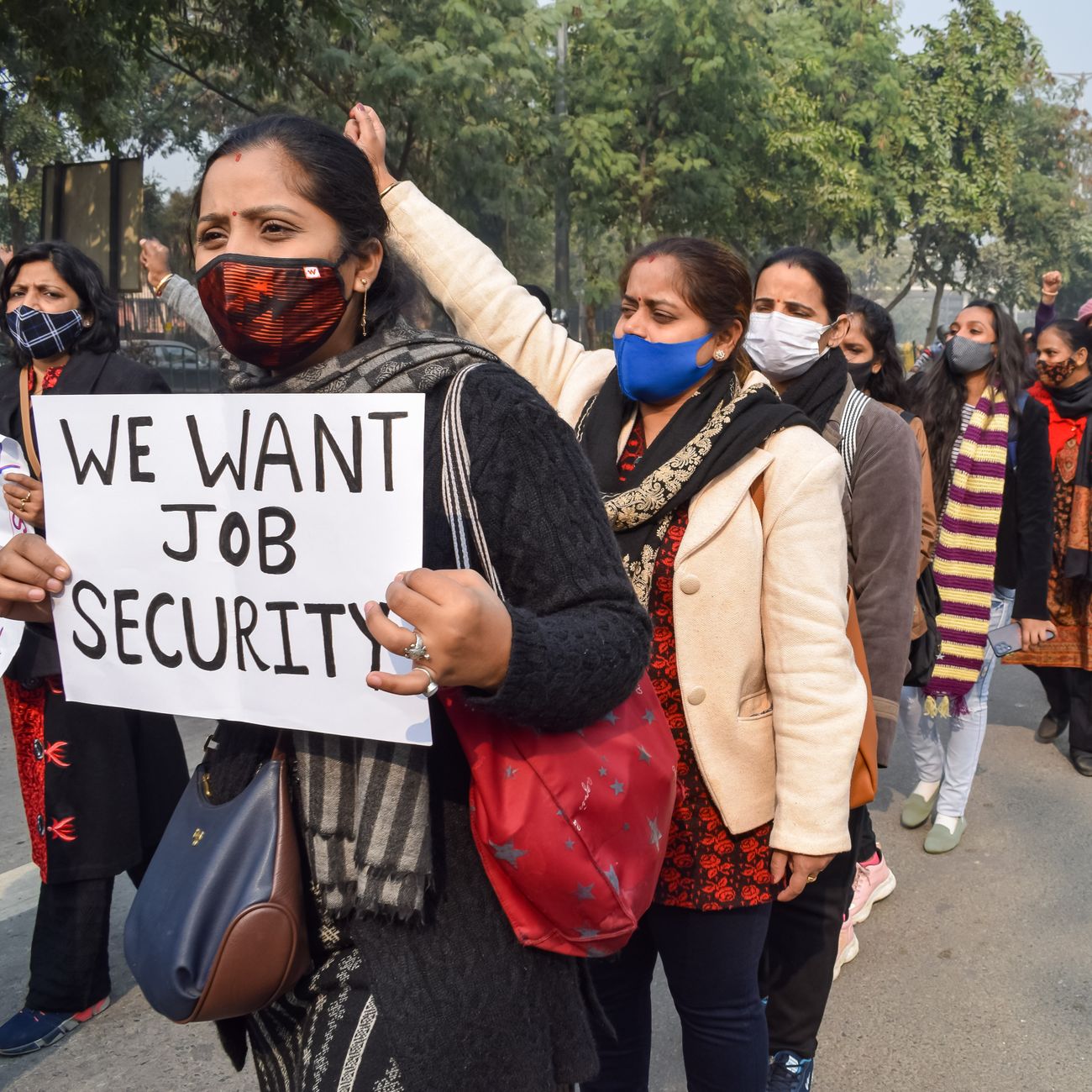
India's employment landscape is experiencing a seismic shift that few would have predicted a decade ago. The technology sector, long considered the golden ticket for career-minded graduates, is showing signs of contraction, while an entirely different profession is emerging as the new growth leader: therapy and mental health counseling.
The IT Sector's Slowdown
For years, India's information technology industry has been the backbone of middle-class aspirations. Engineering colleges mushroomed across the country, and securing a position at a major tech firm was considered the ultimate career achievement. However, recent data suggests this trend is reversing.
Several factors are contributing to the decline in IT and software job opportunities. Automation and artificial intelligence are eliminating routine coding and support roles that once employed thousands. Additionally, global economic uncertainties have led multinational corporations to reduce their outsourcing budgets and consolidate operations. The rise of AI-powered development tools means that fewer human programmers are needed for many tasks that previously required large teams.
The Indian IT services model, which relied heavily on providing low-cost technical labor to Western companies, is also facing challenges from emerging markets in Southeast Asia and Africa that offer even more competitive pricing. Meanwhile, the sector's shift toward higher-value services requires workers with specialized skills that many current employees lack.
The Mental Health Revolution
In stark contrast, demand for therapists, counselors, and mental health professionals is skyrocketing. This represents a fundamental change in how Indian society views psychological wellbeing and professional help-seeking behavior.
The pandemic served as a major catalyst for this transformation. Extended lockdowns, social isolation, economic stress, and health anxieties brought mental health conversations into the mainstream. What was once considered taboo or a sign of weakness is now increasingly recognized as essential healthcare.
Young professionals, particularly in urban centers, are driving this change. The pressure-cooker environment of modern corporate life, coupled with social media's impact on self-esteem and the challenges of work-life balance, has created unprecedented demand for mental health support.
Why Therapy Jobs Are Booming
Several interconnected trends are fueling the expansion of mental health careers in India:
- Corporate wellness programs now routinely include mental health services and employee assistance programs
- Educational institutions are beginning to employ counselors to support student wellbeing
- Insurance companies are expanding coverage to include therapy sessions
- Telemedicine platforms have made therapy more accessible and socially acceptable
- Government initiatives are slowly recognizing mental health as a public health priority
- The stigma surrounding mental health treatment is gradually diminishing among younger generations
The shortage of qualified mental health professionals in India is acute. With an estimated population of over 1.4 billion people and fewer than 10,000 clinical psychologists and psychiatrists, the demand far outstrips supply. This gap creates significant career opportunities for those entering the field.
Implications for Job Seekers
This shifting landscape requires current and future workers to recalibrate their career strategies. For those already in IT, upskilling in areas like cloud architecture, cybersecurity, data science, and AI development remains crucial. Generic coding skills alone are no longer sufficient for job security.
Meanwhile, psychology and counseling programs at Indian universities are seeing increased applications. Professional courses in clinical psychology, psychiatric social work, and counseling are becoming more popular alternatives to traditional engineering and medical streams.
The transition also highlights the importance of soft skills across all sectors. As routine technical tasks become automated, uniquely human capabilities like empathy, emotional intelligence, and complex interpersonal communication become more valuable.
Looking Forward
This employment trend reflects broader societal evolution. India is moving from a developing economy focused primarily on technical services toward a more mature market that recognizes the full spectrum of human needs, including mental and emotional health.
The decline in IT jobs does not spell doom for India's technology ambitions, but rather signals necessary evolution. Similarly, the rise of therapy positions represents not just job creation but social progress in acknowledging and addressing mental health.
For policymakers, educators, and career counselors, these trends underscore the need for flexible education systems that can adapt to rapidly changing market demands. The workers of tomorrow will need both technical competence and human-centered skills to thrive in India's evolving economy.
This article is for general informational purposes only and should not be considered career advice. Individual career decisions should be based on personal circumstances, skills, interests, and consultation with qualified career counselors.