India has taken a significant step in asserting its position as a premier global tourism destination by showcasing Maharashtra's diverse offerings at the WOW Awards Asia. This strategic presentation underscores the country's commitment to achieving ambitious tourism targets by 2026, with Maharashtra serving as a flagship example of India's tourism potential.
Maharashtra Takes Center Stage
Maharashtra, India's third-largest state by area and second-most populous, has emerged as a critical player in the country's tourism development strategy. The state's presentation at the WOW Awards Asia demonstrates a multi-pronged approach that leverages its unique strengths across several high-value tourism segments.
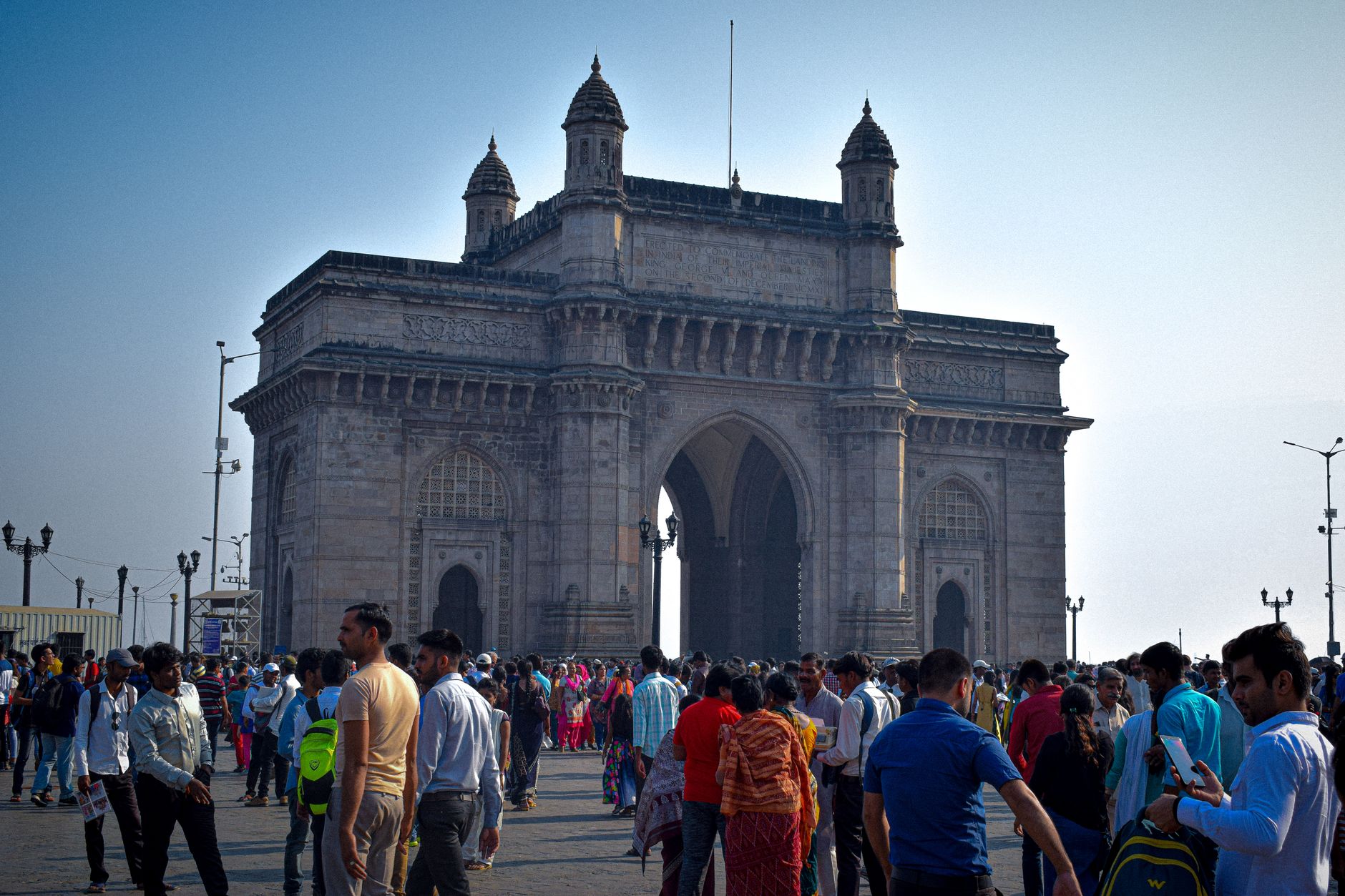
The state boasts an impressive array of attractions, from the bustling metropolis of Mumbai to the ancient rock-cut caves of Ajanta and Ellora, both UNESCO World Heritage Sites. This diversity positions Maharashtra as a microcosm of India's broader tourism appeal, combining urban sophistication, historical significance, and natural beauty.
MICE Travel: Targeting Business Tourism
The emphasis on MICE (Meetings, Incentives, Conferences, and Exhibitions) travel represents a strategic pivot toward high-value tourism segments. MICE travelers typically spend more per capita than leisure tourists and often extend their stays to explore surrounding areas.
Maharashtra's infrastructure advantages make it particularly suited for MICE tourism. Mumbai houses world-class convention centers, five-star hotels, and excellent connectivity through its international airport. Cities like Pune offer a blend of IT industry presence and pleasant climate, making them attractive for corporate events and conferences.
The state's focus on MICE aligns with broader trends in Asian tourism, where business travel has become increasingly intertwined with leisure experiences, a phenomenon known as "bleisure" travel.
Destination Weddings: A Growing Market
India's destination wedding market has experienced explosive growth in recent years, with industry estimates suggesting it will continue expanding as affluent Indian families seek unique venues for celebrations. Maharashtra offers compelling advantages in this sector:
- Palatial heritage properties in regions like Aurangabad and the Konkan coast
- Luxury resorts in hill stations such as Lonavala and Mahabaleshwar
- Beach destinations along the 720-kilometer coastline
- Mumbai's premium hotels and venues for urban luxury weddings
The destination wedding segment is particularly valuable because it generates sustained economic activity across multiple days and benefits various local businesses, from caterers and decorators to transportation and entertainment providers.
UNESCO Heritage Sites as Tourism Anchors
Maharashtra's UNESCO World Heritage Sites serve as powerful drawcards for international tourists seeking cultural experiences. The Ajanta Caves, with their ancient Buddhist paintings and sculptures dating back to the 2nd century BCE, and the Ellora Caves, showcasing religious harmony through Hindu, Buddhist, and Jain monuments, represent irreplaceable cultural treasures.
The Chhatrapati Shivaji Maharaj Terminus in Mumbai and the Victorian Gothic and Art Deco Ensembles of Mumbai further demonstrate the state's architectural heritage spanning different historical periods. These sites attract history enthusiasts, architecture students, and cultural tourists willing to travel specifically to experience these landmarks.
India's 2026 Tourism Vision
The timing of this presentation is significant as India works toward its 2026 tourism goals. The country aims to position itself among the top global tourism destinations, requiring substantial growth in international arrivals and tourism revenue.
Key components of India's strategy include:
- Infrastructure development at tourist destinations
- Streamlined visa processes and improved connectivity
- Promotion of lesser-known destinations alongside established ones
- Enhancement of tourist facilities and safety measures
- Digital marketing campaigns targeting key source markets
Maharashtra's approach serves as a template for other Indian states, demonstrating how regional tourism authorities can leverage their unique assets to contribute to national objectives.
Challenges and Opportunities
While the ambitions are substantial, successful implementation requires addressing persistent challenges. Infrastructure gaps in secondary cities, inconsistent service quality standards, and competition from established Asian destinations like Thailand and Singapore require sustained attention.
However, India's advantages include competitive pricing, unmatched cultural diversity, improving aviation connectivity, and growing global interest in authentic cultural experiences. Maharashtra, with its blend of urban and rural attractions, modern and historical sites, can capitalize on these strengths.
The state's presentation at the WOW Awards Asia signals not just regional tourism promotion but India's broader determination to transform its tourism sector by 2026, potentially reshaping the country's economic landscape and global perception.