
The annual monsoon season brings not only the threat of flooding and waterborne diseases but also a significant surge in snakebite incidents across India. While disaster management protocols typically focus on evacuation, shelter, and disease prevention, snakebites represent a critical yet often overlooked public health emergency that requires dedicated preparation from state and central governments.
Why Monsoons Increase Snakebite Risk
Heavy rainfall and flooding force snakes out of their natural habitats in search of dry ground. As agricultural fields, forests, and grasslands become waterlogged, venomous species like cobras, kraits, Russell's vipers, and saw-scaled vipers migrate toward human settlements. This displacement increases human-snake encounters dramatically, particularly in rural and semi-urban areas.
Farmers working in fields during and after rains face heightened exposure. The same conditions apply to people wading through floodwaters, sleeping on floors during evacuations, or handling debris during cleanup operations. Poor visibility during heavy rains and at night further increases the risk of accidental encounters.
The Scale of the Problem
India accounts for nearly half of the world's snakebite deaths, with estimates suggesting 58,000 fatalities annually, though many cases go unreported. The actual burden may be significantly higher due to underreporting in rural areas where victims seek traditional healers instead of medical facilities.
Snakebite victims are predominantly agricultural workers, with most incidents occurring between June and September, coinciding with peak monsoon and farming activity. The majority of deaths result from delays in reaching healthcare facilities and inadequate availability of quality antivenoms.
Critical Gaps in Current Preparedness
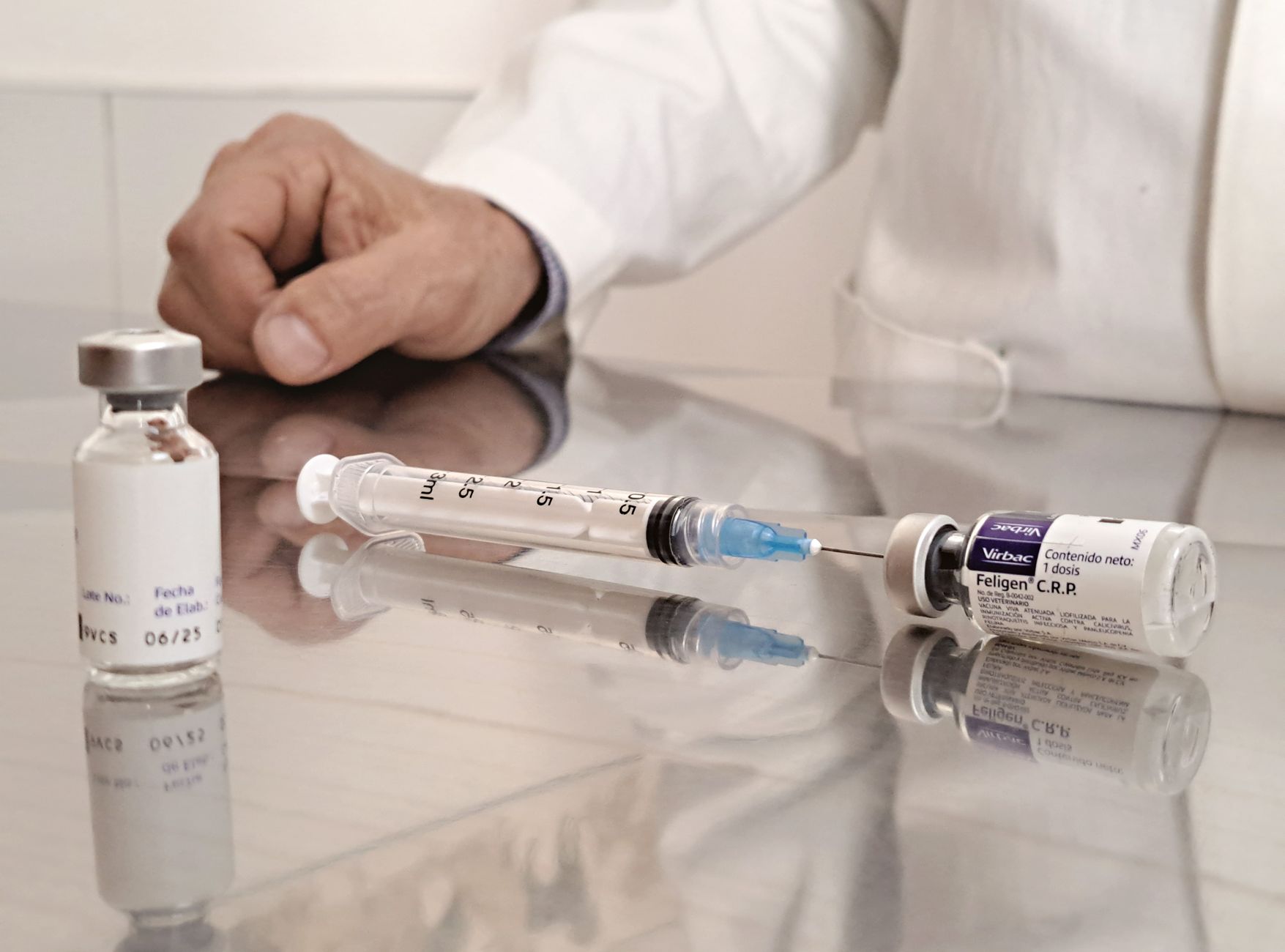
Most state health systems lack sufficient stockpiles of polyvalent antivenom, which neutralizes venom from the four major venomous snake species found in India. Rural primary health centers often run out of supplies during peak monsoon months, forcing patients to travel to district hospitals where precious hours are lost.
Healthcare workers at primary facilities frequently lack training in snakebite management protocols. Misidentification of snake species, improper first aid, and delayed antivenom administration contribute to preventable deaths and disabilities.
Cold chain infrastructure for storing antivenoms remains inadequate in many regions. Antivenoms require proper refrigeration, and power outages during storms can compromise their efficacy.
What Governments Should Do
State health departments should conduct pre-monsoon audits of antivenom stocks at all healthcare facilities, particularly in high-incidence districts. Buffer stocks should account for seasonal spikes in demand, with distribution networks capable of rapid resupply during emergencies.
Training programs for healthcare workers, including ASHA workers and paramedics, should cover snake identification, first aid protocols, antivenom administration, and management of complications. These sessions should occur before monsoon onset each year.
- Public awareness campaigns through radio, television, and mobile alerts educating communities about snake behavior during floods
- Distribution of information materials on safe practices when wading through water or handling stored grain
- Guidelines on appropriate first aid and myths to avoid, such as tourniquets or incisions
- Establishment of dedicated snakebite helplines for guidance and ambulance dispatch
Governments should also strengthen disease surveillance systems to track snakebite incidence in real-time. This data helps identify hotspots requiring immediate resource deployment and informs long-term policy decisions.
Community-Level Interventions
Village-level preparedness includes training volunteers in basic first aid and establishing transport networks for emergency referrals. Community health workers should maintain updated lists of nearest facilities with antivenom availability.
Agricultural extension services can educate farmers on protective measures like wearing boots and using lights when working during early morning or evening hours. Simple interventions like elevating sleeping surfaces during flood evacuations can reduce nighttime encounters with kraits, which are ground-dwelling.
Long-Term Solutions
Beyond immediate monsoon preparedness, India needs sustainable strategies including increased domestic antivenom production, research into region-specific formulations, and inclusion of snakebite envenoming in national health programs with dedicated funding.
Integration of snakebite management into disaster response protocols ensures this preventable cause of death receives attention proportional to its burden, particularly during the vulnerable monsoon months when rural communities face compounded health risks.
This article is for general informational purposes only and does not constitute medical advice. In case of snakebite, seek immediate professional medical attention at the nearest healthcare facility equipped with antivenom supplies.