
The United States labour market, long considered a pillar of economic strength, is showing signs of strain according to one of Wall Street's most respected economists. Mark Zandi, chief economist at Moody's Analytics, has raised red flags about the June jobs report, suggesting that beneath the headline numbers lie indicators that warrant serious attention from policymakers and investors alike.
Understanding the Warning Signs
While the US has experienced robust job growth for several years following the pandemic recovery, recent data points suggest a shifting landscape. Employment reports typically include multiple metrics beyond the headline job creation number, including labour force participation rates, average hours worked, wage growth, and the unemployment rate itself.
When economists like Zandi issue warnings based on monthly jobs data, they're often looking at deteriorating trends in these secondary indicators. A decline in average weekly hours, for instance, can signal that employers are reducing worker shifts before resorting to layoffs. Similarly, slowing wage growth might indicate weakening worker bargaining power as labour market conditions soften.
The Broader Economic Context
The US Federal Reserve has spent the past two years aggressively raising interest rates to combat inflation, which peaked at levels not seen in four decades. This monetary tightening was designed to cool down an overheated economy, and one intended consequence is a more balanced labour market where demand for workers moderates.
However, central bankers face a delicate balancing act. Too much cooling can tip the economy into recession, causing widespread job losses and economic hardship. The warning signs that Zandi identifies may suggest the Fed's medicine is working more strongly than intended, potentially overshooting the target of a soft landing.
Implications for Different Sectors
Not all industries experience economic downturns uniformly. Historically, sectors like construction, manufacturing, and retail tend to feel the impact of economic slowdowns first. Technology companies, which saw massive hiring during the pandemic, have already announced significant layoffs over the past year.
Professional services, healthcare, and government positions typically show more resilience during economic uncertainty. Job seekers and workers should pay attention to which sectors are showing weakness in monthly employment reports to gauge their own vulnerability.
What This Means for Workers
For employees and job seekers, warning signs in employment data suggest several prudent steps:
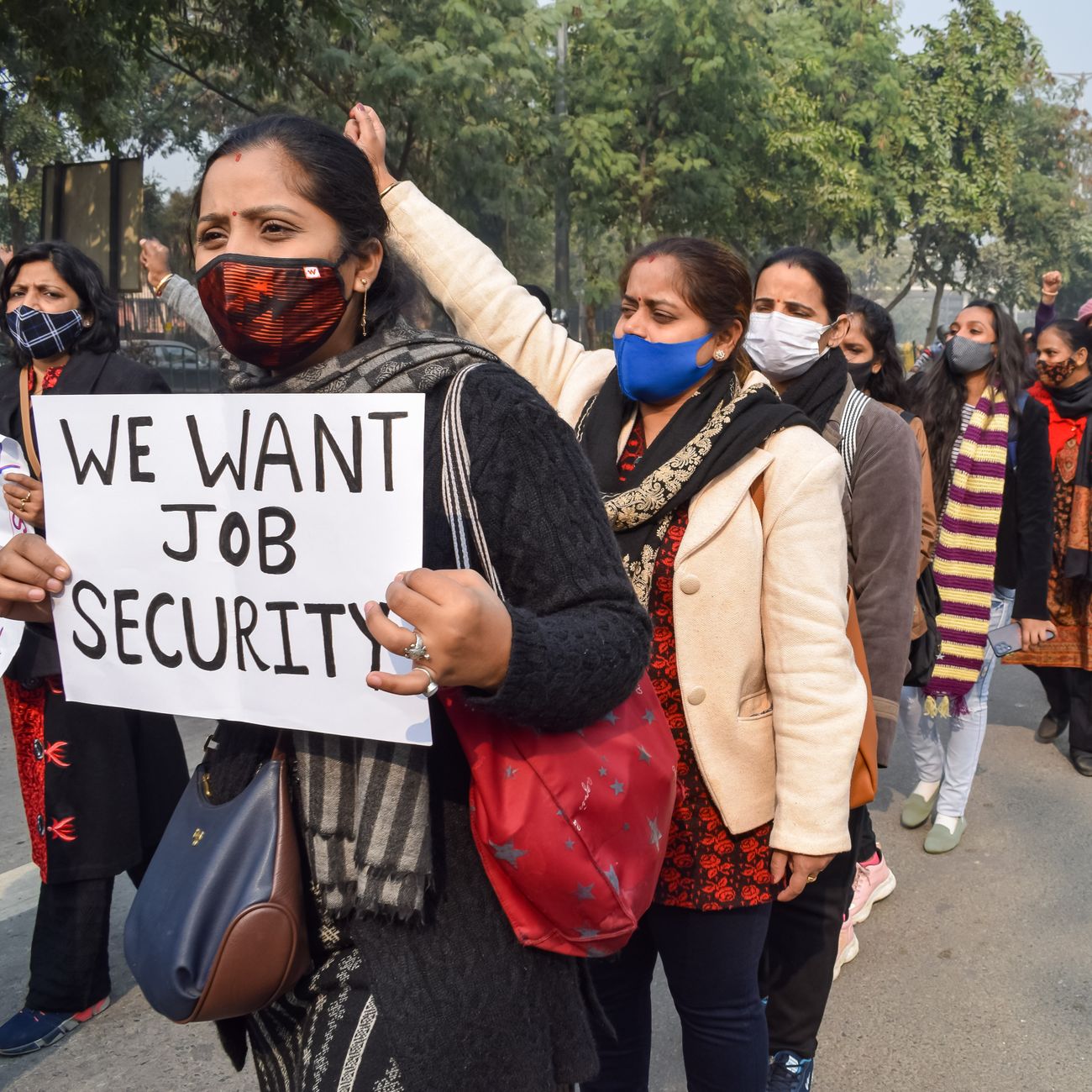
- Building emergency savings becomes more critical as job security may decrease
- Enhancing skills and credentials can provide competitive advantages in a tighter market
- Networking and maintaining professional relationships gains importance
- Those considering career changes might want to act sooner rather than later
- Contract and gig workers should prepare for potentially reduced opportunities
Impact on Markets and Policy
Financial markets typically react negatively to signs of labour market weakness, as employment is strongly correlated with consumer spending, which drives the majority of US economic activity. However, investors face a paradox: weak jobs data might prompt the Federal Reserve to pause or reverse rate hikes, which could support stock prices.
For policymakers, deteriorating employment conditions create pressure to shift from inflation-fighting mode to growth-supporting measures. This might include pausing rate hikes, cutting rates, or even implementing fiscal stimulus, though political gridlock often complicates such responses.
The Indian Connection
While this data concerns the US economy, it has significant implications for India. The US remains India's largest export market, and American economic weakness typically reduces demand for Indian goods and services. The IT and business process outsourcing sectors, major employment generators in India, are particularly sensitive to US economic conditions.
Additionally, changes in US monetary policy influence global capital flows. If the Fed cuts rates in response to labour market weakness, it could lead to increased investment flows toward emerging markets like India, potentially strengthening the rupee and affecting export competitiveness.
Looking Ahead
Economic forecasting remains an imperfect science, and one month's data rarely tells the complete story. However, when experienced analysts like Zandi issue warnings, it merits attention from businesses, workers, and investors. The coming months will reveal whether June's concerning signals represent a temporary blip or the beginning of a more significant labour market adjustment that could reshape economic conditions on both sides of the Pacific.