
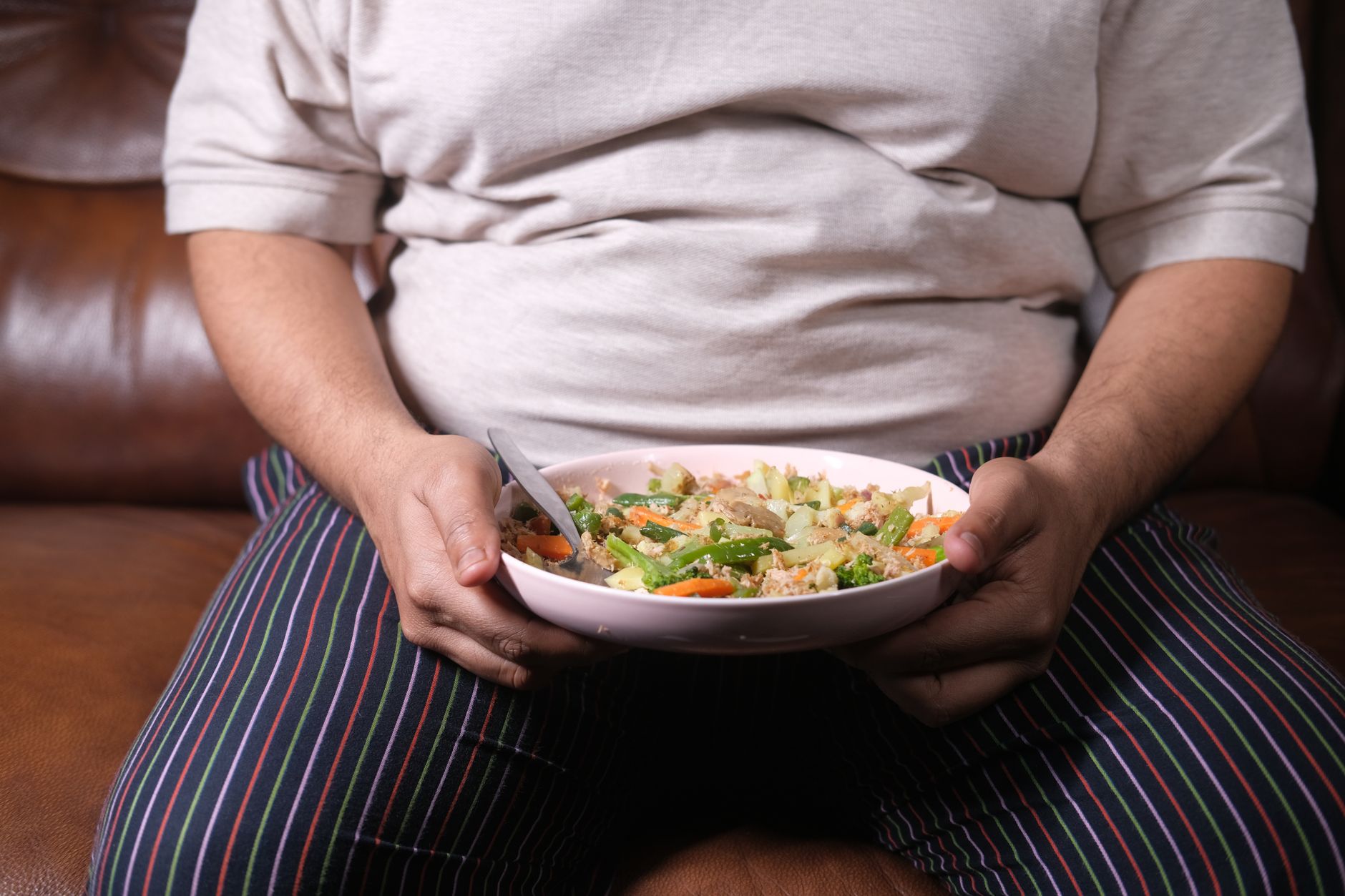
India is facing a paradoxical health crisis. While the country has historically struggled with undernutrition, obesity rates have been climbing steadily over the past two decades. A significant factor behind this trend is not just what Indians are eating, but what they are not eating enough of: protein.
The Shifting Plate
The traditional Indian diet has always been carbohydrate-centric, with rice, wheat, and other grains forming the foundation of most meals. However, recent dietary patterns show an even greater reliance on refined grains and processed foods, while protein consumption has either stagnated or declined, particularly among lower and middle-income households.
Studies indicate that the average Indian consumes only about 60-65 grams of protein daily, well below the recommended 75-100 grams for adults. Meanwhile, carbohydrate intake often exceeds 60-70% of total caloric consumption. This imbalance creates a situation where people consume sufficient or excess calories but remain nutritionally deficient.
Why Protein Matters
Protein plays several crucial roles in maintaining healthy body weight. It increases satiety, meaning people feel fuller for longer after protein-rich meals. This naturally helps control overall calorie intake. Protein also has a higher thermic effect than carbohydrates, meaning the body burns more calories digesting it.
When diets are protein-deficient, people tend to overeat to satisfy their hunger, leading to excess calorie consumption from carbohydrates and fats. This pattern is particularly problematic when those carbohydrates come from refined sources like white rice, maida-based products, and processed foods that cause rapid blood sugar spikes.
The Economic Factor
Cost remains a significant barrier to adequate protein consumption in India. Quality protein sources like meat, fish, eggs, and dairy products are considerably more expensive than grains. As food prices have risen, many households have compensated by increasing cheaper grain portions while reducing protein-rich foods.
Pulses, traditionally an important protein source in Indian vegetarian diets, have also become more expensive and less accessible. Per capita pulse consumption has actually declined in recent decades, from around 60 grams per day in the 1970s to approximately 45 grams today.
Urbanization and Lifestyle Changes
The obesity trend is accelerating in urban areas where sedentary lifestyles combine with poor dietary patterns. Office workers and professionals often rely on quick, carbohydrate-heavy snacks and meals. Street food, while culturally important, frequently consists of fried items made with refined flour and minimal protein.
Additionally, the growth of processed food availability has introduced ultra-processed snacks, sugary beverages, and instant meals that are calorie-dense but nutritionally poor. These products have replaced traditional snacks that, while still carbohydrate-heavy, at least offered some nutritional value.
Breaking the Cycle
Addressing India's obesity crisis requires a multi-pronged approach focused on improving diet quality rather than simply reducing calories.
- Increase awareness about protein requirements and sources suitable for different budgets
- Promote affordable protein options like eggs, paneer, curd, soya products, and seasonal pulses
- Encourage portion control with carbohydrates while maintaining adequate intake
- Improve access to nutritious foods through policy interventions and subsidies
- Educate about reading food labels and identifying ultra-processed products
- Promote traditional balanced meals that combine grains with pulses and vegetables
Regional Variations
The grain-to-protein imbalance varies across India. Coastal regions with easier access to fish generally show better protein consumption patterns. States with strong dairy traditions like Punjab and Haryana fare somewhat better. However, in regions heavily dependent on rice or wheat as the primary staple with limited access to diverse protein sources, the problem is more acute.
Looking Forward
India's rising obesity rates represent a nutrition transition gone wrong. The solution is not adopting Western-style high-protein diets but rather returning to balanced traditional eating patterns that emphasized variety, included adequate pulses and dairy, and limited refined grains.
Government nutrition programs, food policy, and public health campaigns need to shift focus from just ensuring caloric sufficiency to promoting balanced macronutrient intake. Making protein-rich foods more affordable and accessible should be a priority in addressing both undernutrition and obesity simultaneously.
This article is for general informational purposes only and should not be considered medical or nutritional advice. Please consult with a qualified healthcare provider or registered dietitian for personalized dietary guidance based on your individual health needs and circumstances.