Corporate social responsibility in India is increasingly focusing on healthcare accessibility, with companies stepping beyond traditional philanthropic models to address systemic health challenges. Motul India's expansion of its Sehat Ki Samriddhi initiative to 108 health camps across 27 districts represents a significant scaling up of corporate-led community health interventions, particularly in regions where medical infrastructure remains inadequate.
Understanding the Corporate Health Camp Model
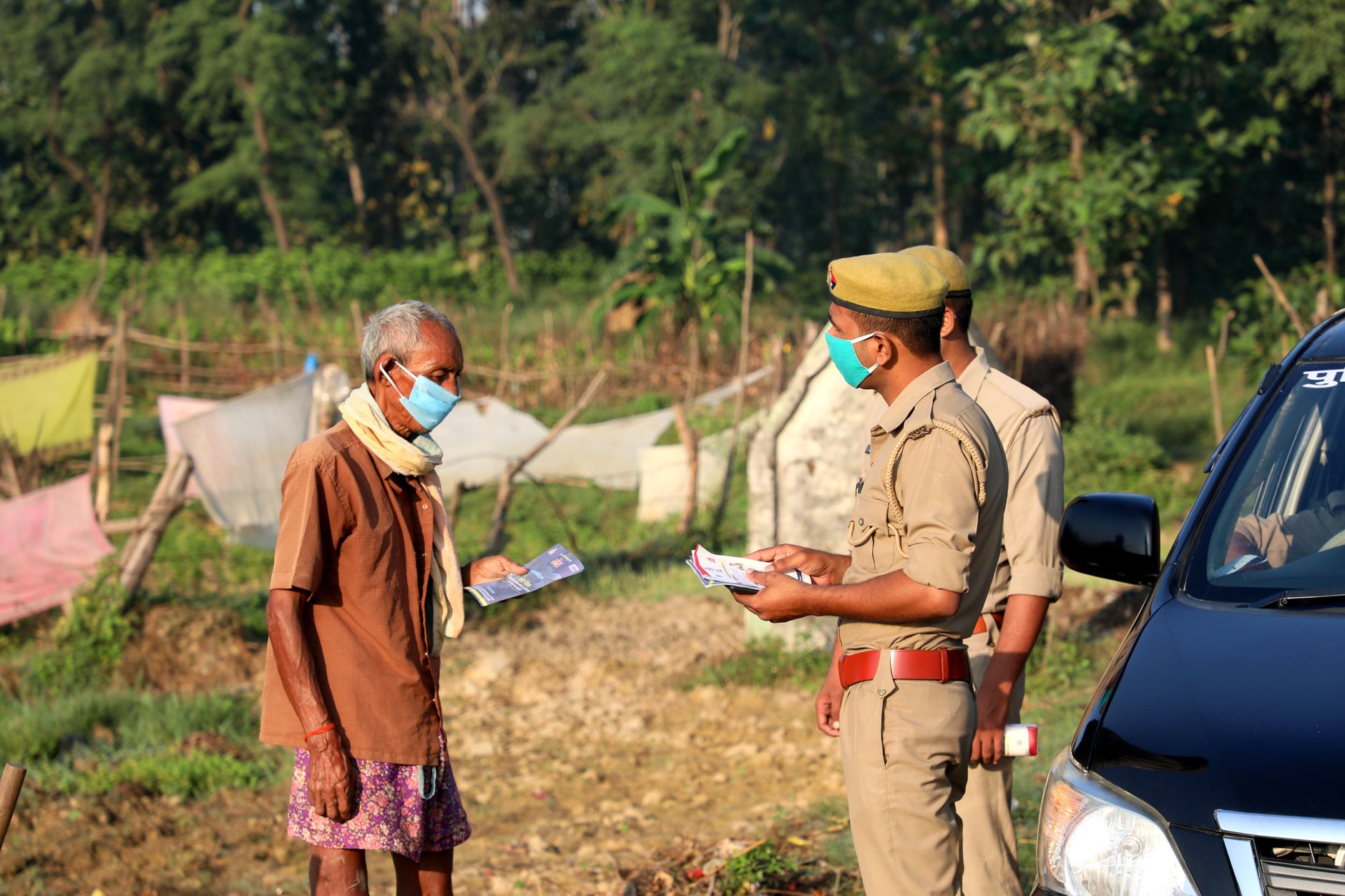
Health camps organized by private sector entities have become an important supplementary healthcare delivery mechanism in India. These temporary medical facilities typically offer free or subsidized health screenings, basic diagnostic services, consultations, and medication distribution. For communities lacking regular access to doctors or diagnostic facilities, such camps often serve as the first point of contact with formal healthcare systems.
The number 108 carries symbolic significance in Indian culture and is also the emergency ambulance helpline number, making it an appropriate scale for a health-focused initiative. By spreading across 27 districts, the programme likely targets a mix of urban, peri-urban, and rural populations where healthcare penetration varies considerably.
Key Components of Community Health Initiatives
Successful health camp programmes generally incorporate several essential elements. Primary health screenings form the foundation, typically including blood pressure measurements, blood sugar testing, and body mass index assessments. These basic parameters help identify individuals at risk for non-communicable diseases like diabetes and hypertension, which are rising rapidly across Indian demographics.
Many corporate health initiatives also include:
- General physician consultations for common ailments
- Specialized screenings for eye health, dental issues, or women's health
- Nutrition and lifestyle counseling
- Distribution of essential medicines and supplements
- Referral systems connecting serious cases to hospitals or clinics
- Health education sessions on preventive care and hygiene
The preventive healthcare aspect proves particularly valuable in resource-constrained settings where treatment costs can push families into financial distress. Early detection of conditions often means simpler, less expensive interventions.
The Business Case for Corporate Health Programmes
While corporate social responsibility mandates under Indian company law require certain spending thresholds, many organizations recognize strategic benefits beyond compliance. Employee communities and their families often participate in these health camps, potentially reducing absenteeism and improving workforce productivity through better health outcomes.
For companies operating in manufacturing or industrial sectors, where employee health directly impacts operational efficiency, investing in preventive healthcare makes business sense. Additionally, such visible community engagement strengthens brand reputation and social license to operate, particularly in regions where the company has production facilities or significant market presence.
Challenges in Scaling Health Interventions
Expanding from pilot programmes to district-wide coverage presents logistical complexities. Coordinating medical personnel, equipment, medications, and venue logistics across diverse geographies requires substantial planning and partnerships. Companies typically collaborate with local health departments, non-profit organizations, and medical institutions to ensure camps meet quality standards and regulatory requirements.
Ensuring follow-up care remains one of the persistent challenges in camp-based models. While initial screenings identify health issues, continuity of care depends on connecting beneficiaries with ongoing treatment options, which may be limited in remote areas. Effective programmes build referral networks and sometimes provide support for accessing secondary or tertiary care facilities.
Impact Measurement and Sustainability
The success of such initiatives is measured through various metrics including number of beneficiaries served, conditions detected and treated, referrals completed, and long-term health outcomes in target communities. Sustainable impact requires moving beyond one-time camps toward repeated interventions in the same locations, allowing for longitudinal health tracking.
As India continues addressing its healthcare accessibility challenges, corporate-led initiatives complement government programmes and fill critical gaps. The scaling of programmes like Sehat Ki Samriddhi indicates growing recognition within the private sector of both the social need and potential returns from investing in community health infrastructure.
For individuals in districts covered by such programmes, health camps provide accessible entry points to healthcare services that might otherwise require significant time and financial resources to access. As more companies adopt similar models, the cumulative effect could meaningfully contribute to improving health indicators across underserved populations.
This article is for general informational purposes only and does not constitute medical or health advice. Readers should consult qualified healthcare professionals for specific health concerns and treatment recommendations.