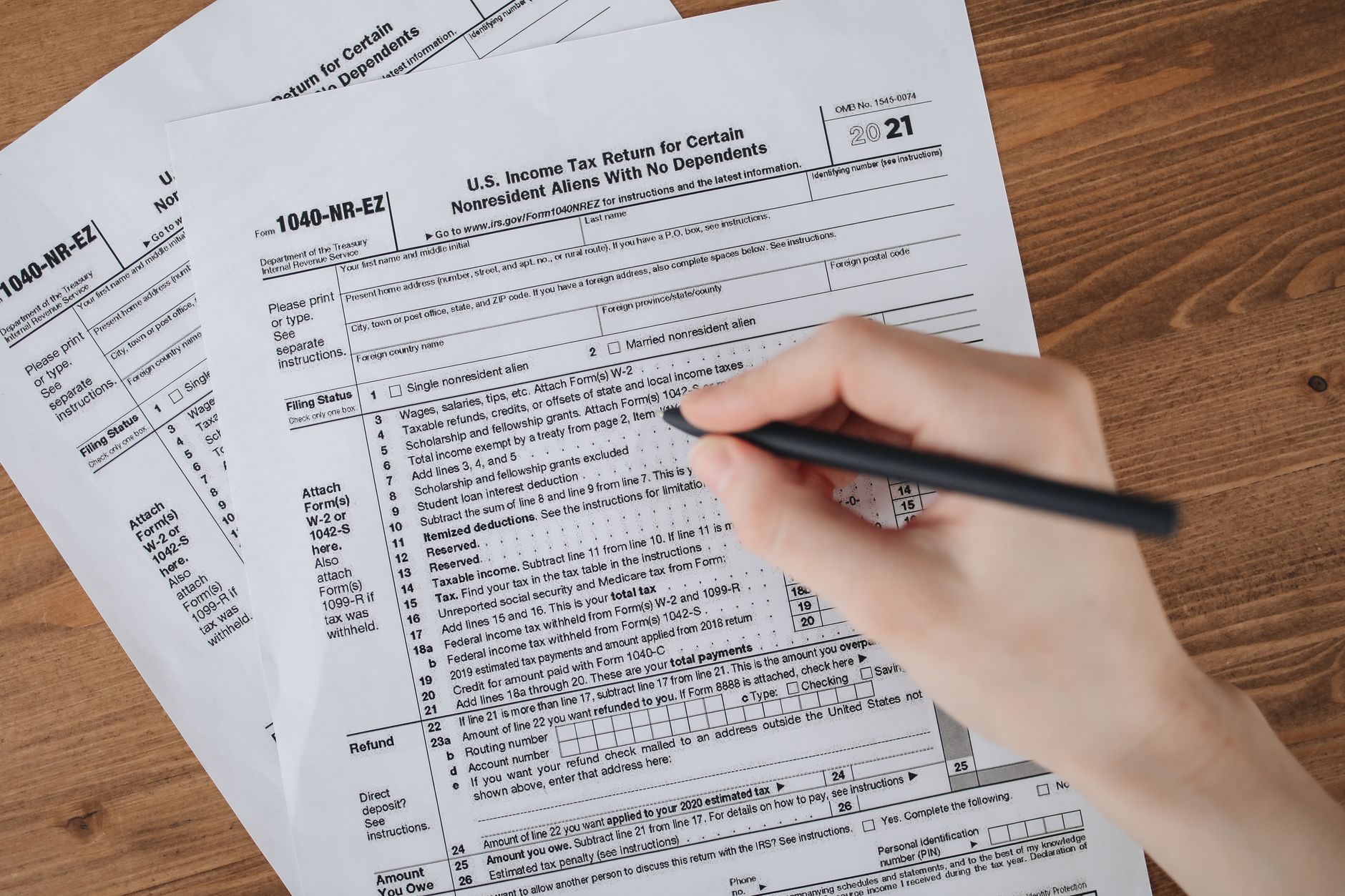

Tax litigation in India has reached unprecedented levels, with millions of cases pending across various appellate forums. While many assume that deliberate tax evasion drives most of these disputes, tax professionals and chartered accountants suggest a different reality: honest mistakes and reporting errors account for the majority of litigation between taxpayers and the Income Tax Department.
The Scale of Tax Disputes
India's tax dispute ecosystem is massive, with cases worth lakhs of crores pending at different levels of adjudication. From the Commissioner of Income Tax (Appeals) to the Income Tax Appellate Tribunal, High Courts, and the Supreme Court, the backlog continues to grow. This not only strains judicial resources but also creates prolonged uncertainty for taxpayers and delays revenue collection for the government.
The sheer volume of cases suggests that systemic issues beyond intentional wrongdoing are at play. Tax experts point to the complexity of Indian tax laws, frequent amendments, and interpretation challenges as key contributors to this litigation burden.
Common Reporting Errors That Trigger Disputes
Several categories of inadvertent errors frequently lead to tax notices and subsequent litigation:
- Mismatch between Form 26AS and filed returns due to incorrect TDS credit claims
- Errors in reporting capital gains from property or securities transactions
- Incorrect classification of income under different heads
- Mistakes in claiming deductions under sections 80C, 80D, or other provisions
- Failure to report foreign assets or income due to lack of awareness
- Computational errors in calculating depreciation or business income
- Discrepancies in reporting exempt income or agricultural income
Many of these errors stem from genuine confusion about tax provisions rather than any intent to evade taxes. The automated systems used by the Income Tax Department flag these discrepancies, triggering notices that often escalate into formal disputes.
The Complexity Challenge
India's Income Tax Act is notoriously complex, with numerous sections, sub-sections, provisos, and explanations that even tax professionals find challenging to navigate. Frequent budget amendments add new layers of complexity, and taxpayers struggle to keep pace with changing rules.
For salaried individuals using online filing platforms, pre-filled returns can sometimes contain errors or incomplete information. When taxpayers accept these without thorough verification, discrepancies arise that later attract departmental scrutiny.
Small business owners and professionals face additional challenges in maintaining proper books of accounts and understanding allowable business expenses. The line between legitimate business expenditure and personal expenses can be blurry, leading to disputes over claimed deductions.
The Role of Technology
The Income Tax Department's increasing reliance on technology and data analytics has improved tax compliance but also increased the detection of discrepancies. Automated systems cross-verify information from multiple sources—banks, stock exchanges, property registrars, and third-party reporting—making it nearly impossible for mismatches to go unnoticed.
While this technological sophistication helps catch genuine tax evaders, it also generates numerous false positives where innocent errors are flagged for investigation. Taxpayers then face the burden of explaining and rectifying these mistakes through the appeals process.
The Cost of Litigation
Tax litigation imposes significant costs on both taxpayers and the government. Individuals and businesses must invest time and money in engaging tax consultants and lawyers to defend their positions. The prolonged nature of disputes creates uncertainty that can affect business decisions and financial planning.
For the government, resources spent on litigating minor disputes could be better utilized in pursuing high-value tax evasion cases. The administrative burden of managing millions of cases diverts attention from more productive compliance initiatives.
Reducing Litigation Through Better Processes
Experts suggest several measures to reduce litigation arising from inadvertent errors:
- Simplifying tax laws and reducing the number of exemptions and deductions
- Improving taxpayer education and awareness programs
- Enhancing the clarity and user-friendliness of online filing platforms
- Implementing more robust pre-filing verification systems
- Creating effective dispute resolution mechanisms for small-value cases
- Encouraging the use of the Vivad se Vishwas scheme for settling pending disputes
The government has taken some steps in this direction, including the faceless assessment scheme designed to reduce personal bias and improve transparency. However, much work remains to create a tax system that minimizes unintended disputes while effectively combating genuine evasion.
This article is for general informational purposes only and should not be considered as professional tax advice. Taxpayers should consult qualified chartered accountants or tax advisors for guidance on their specific situations and compliance requirements.