Shimla, the picturesque capital of Himachal Pradesh, is experiencing an unexpected tourism boom this monsoon season. Despite weather warnings and heavy rainfall advisories issued by meteorological departments, thousands of travelers are making their way to this colonial-era hill station, drawn by the ethereal beauty that emerges when clouds descend upon the mountains and rain transforms the landscape into a verdant paradise.
The Allure of Monsoon Shimla
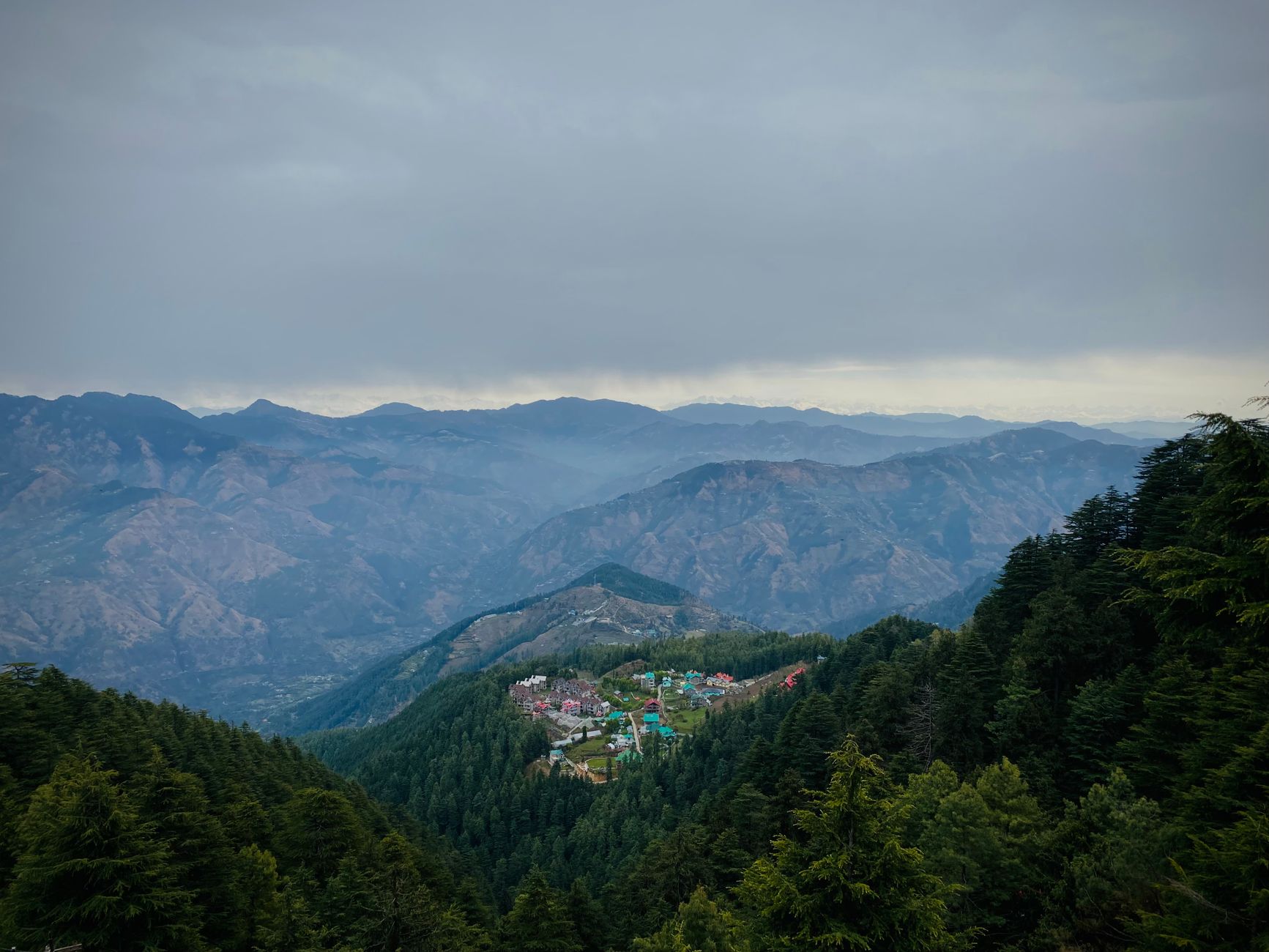
The monsoon season, traditionally considered off-peak for hill station tourism, has become increasingly popular among a new generation of travelers seeking unique experiences. Shimla during the rains offers a completely different aesthetic compared to its summer avatar. The mist-covered hills create an almost mystical atmosphere, with clouds rolling through valleys and wrapping around colonial buildings, lending them an otherworldly charm.
Post-rain Shimla reveals nature at its most vibrant. The cedar and pine forests turn a deep, saturated green, wildflowers bloom across hillsides, and waterfalls that remain dry most of the year cascade down rocky slopes. The air becomes crisp and clean, carrying the fresh scent of wet earth and pine needles that urban dwellers find irresistible.
Why Travelers Are Ignoring Weather Warnings
Several factors explain this counterintuitive tourism surge during a season marked by weather alerts. First, monsoon travel to Shimla comes with significantly lower costs. Hotels slash rates by 30-50 percent compared to peak summer months, making luxury accommodations accessible to budget-conscious travelers. Fewer crowds mean popular attractions like the Ridge, Mall Road, and Jakhu Temple can be enjoyed without the usual summer throngs.
Social media has played a crucial role in popularizing monsoon tourism. Stunning photographs and videos of rain-drenched landscapes, dramatic cloud formations, and misty mountain views shared on Instagram and other platforms have created FOMO (fear of missing out) among younger travelers. The monsoon aesthetic has become highly sought-after content, driving visits specifically timed to capture these dramatic weather conditions.
The Risks and Realities
However, the monsoon tourism surge comes with legitimate concerns. Himachal Pradesh experiences its highest rainfall between July and September, leading to landslides, road blockages, and occasional flash floods. The India Meteorological Department regularly issues heavy rain warnings for the region during this period, and authorities sometimes advise against non-essential travel.
The risks include:
- Landslides blocking major highways and access roads
- Poor visibility on mountain roads making driving hazardous
- Potential flight and train cancellations due to weather
- Risk of being stranded if roads become impassable
- Infrastructure challenges as older buildings struggle with heavy rainfall
Local authorities have enhanced safety measures, including increased monitoring of vulnerable slopes, rapid response teams for emergencies, and regular weather updates for tourists. Many hotels and tour operators now provide comprehensive safety briefings and maintain emergency protocols.
Economic Impact on Local Communities
The monsoon tourism boom has provided a welcome economic boost to Shimla's hospitality sector, which traditionally sees lean months during the rainy season. Hotel owners, restaurant operators, and local guides who once closed shop during monsoons now keep businesses running, providing employment and income during previously quiet months.
Local markets selling woolen shawls, umbrellas, hot snacks like pakoras and samosas, and steaming cups of chai have found new customers. The extended tourist season allows seasonal workers to earn for longer periods, improving livelihoods in this tourism-dependent economy.
Planning a Safe Monsoon Visit
Travelers planning monsoon trips to Shimla should take precautions. Booking accommodations in areas less prone to landslides, staying updated with weather forecasts, keeping emergency contacts handy, and purchasing comprehensive travel insurance are essential. Flexible travel plans that allow for delays or changes due to weather conditions make the experience less stressful.
Packing waterproof clothing, sturdy shoes with good grip, and keeping electronic devices in waterproof covers ensures comfort during unexpected downpours. Travelers should also respect local advisories and avoid venturing out during heavy rain warnings or visiting restricted areas.
The monsoon tourism trend in Shimla reflects changing travel preferences where experience and aesthetics increasingly outweigh traditional comfort considerations. While the rain-soaked beauty of the Himalayas attracts thousands, the importance of responsible and safe travel cannot be overstated.
This article is for general information purposes only. Travelers should consult official weather advisories, local authorities, and make informed decisions based on current conditions before planning trips to areas under weather warnings.