
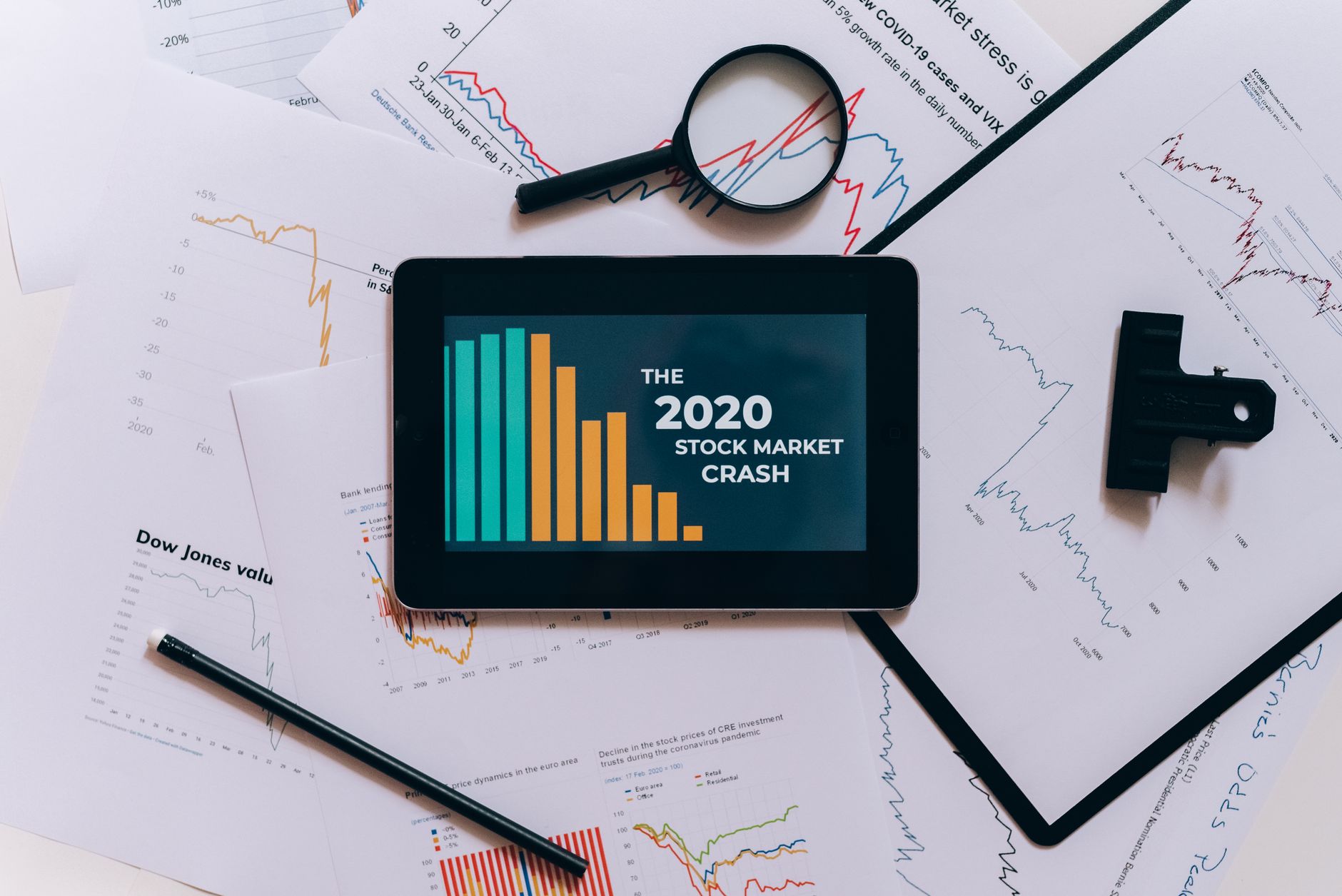
Indian equity markets experienced one of their worst trading sessions in recent memory, with benchmark indices Sensex and Nifty50 plunging sharply and wiping out around Rs 8 lakh crore from investor portfolios. The dramatic selloff has left market participants rattled and raised concerns about the near-term outlook for Indian stocks.
Understanding the Magnitude of the Loss
To put Rs 8 lakh crore in perspective, this amount represents a significant chunk of India's market capitalization. When markets crash of this magnitude, it affects not just wealthy investors but also millions of retail participants who have entered the market through mutual funds, direct equity investments, and systematic investment plans (SIPs). The wealth erosion impacts household savings, retirement planning, and overall economic sentiment.
Key Factors Behind the Market Crash
Several interconnected factors typically contribute to such severe market corrections:
- Global market turbulence often triggers selloffs in emerging markets including India
- Rising crude oil prices impact India's import bill and inflation outlook
- Foreign institutional investor (FII) outflows create selling pressure
- Concerns about corporate earnings growth and economic slowdown
- Geopolitical tensions affecting global trade and investment flows
- Unexpected regulatory changes or policy announcements
- Technical factors where falling prices trigger stop-loss orders creating a cascading effect
Sectoral Impact
Market crashes rarely affect all sectors equally. Typically, certain segments bear the brunt more severely:
Banking and financial stocks often lead the decline as they're sensitive to economic outlook and interest rate movements. Technology stocks can face pressure if there are concerns about global demand or rupee appreciation. Auto and consumer discretionary sectors may tumble on fears of reduced consumer spending. Conversely, defensive sectors like FMCG and pharmaceuticals sometimes show relative resilience during broader market turmoil.
What This Means for Different Types of Investors
Long-term Investors
For those with investment horizons exceeding five years, such crashes, while painful in the short term, have historically represented buying opportunities. Markets have shown resilience over longer periods, recovering from even severe downturns. The key is maintaining discipline and not making emotional decisions based on short-term volatility.
Short-term Traders
Day traders and those with shorter investment horizons face immediate portfolio impacts. Such volatility can trigger margin calls and force liquidations. Risk management becomes crucial during these periods, and many traders prefer staying on the sidelines until stability returns.
New Investors
Those who recently entered markets may experience their first major correction. This tests their risk tolerance and investment conviction. Understanding that volatility is inherent to equity markets helps in developing a mature investment approach.
Historical Context and Recovery Patterns
Indian stock markets have weathered numerous storms over the decades. The 2008 global financial crisis, the 2020 COVID-19 pandemic crash, and various other corrections have all been followed by recoveries. While past performance doesn't guarantee future results, markets have generally trended upward over the long term, rewarding patient investors.
Recovery timelines vary based on the underlying causes of the crash. Technically-driven selloffs may reverse quickly, while crashes rooted in fundamental economic problems may take longer to recover.
Steps Investors Should Consider
- Avoid panic selling based on short-term market movements
- Review your portfolio's asset allocation and rebalance if necessary
- Consider using systematic investment approaches to average costs
- Maintain adequate emergency funds outside of equity investments
- Focus on quality stocks and mutual funds with strong track records
- Consult with financial advisors before making major portfolio changes
- Use the opportunity to reassess your risk tolerance and investment goals
Regulatory and Market Infrastructure
Indian markets benefit from robust regulatory oversight by SEBI (Securities and Exchange Board of India) and circuit breakers that halt trading during extreme volatility. These mechanisms help prevent complete market meltdowns and provide cooling-off periods for rational decision-making.
Looking Ahead
Market crashes create uncertainty, but they also separate temporary noise from long-term trends. Investors should focus on fundamentals, maintain diversified portfolios, and align investments with their financial goals and risk capacity rather than reacting to daily market movements.
This article is for general informational purposes only and should not be construed as investment advice. Market conditions are subject to rapid change, and individual circumstances vary. Investors should conduct their own research and consult qualified financial advisors before making investment decisions.