The travel and tourism industry is poised for remarkable growth over the next ten years, with projections indicating it will expand at a rate 1.5 times faster than the global economy. This forecast represents a significant vote of confidence in the sector's resilience and appeal, particularly following the challenging years of pandemic-related disruptions.
Understanding the Growth Trajectory
The anticipated acceleration in travel and tourism growth reflects multiple converging factors. As economies worldwide stabilize and consumer confidence returns, discretionary spending on travel experiences has rebounded strongly. The sector's projected growth rate suggests it will not only recover lost ground but establish new benchmarks for contribution to global GDP.
This optimistic outlook is supported by fundamental shifts in how people view travel. Rather than being seen as purely optional luxury spending, travel has increasingly become integrated into lifestyle priorities, with experiences valued over material possessions, particularly among younger demographics.
Key Drivers Behind the Boom
Several factors are propelling this accelerated growth trajectory:
- Rising middle-class populations in emerging economies, particularly across Asia and Africa, creating millions of new potential travelers
- Increased connectivity and falling costs of air travel making international journeys more accessible
- Digital transformation enabling easier booking, planning, and personalized travel experiences
- Growing interest in wellness tourism, sustainable travel, and authentic cultural experiences
- Remote work flexibility allowing for longer trips and "workations"
- Pent-up demand from pandemic-era travel restrictions continuing to fuel bookings
Regional Variations and Opportunities
The growth will not be uniform across all markets. Emerging destinations are expected to see disproportionate benefits as travelers seek novel experiences beyond traditional hotspots. Countries investing in tourism infrastructure, digital payment systems, and streamlined visa processes are positioning themselves to capture larger shares of this expanding market.
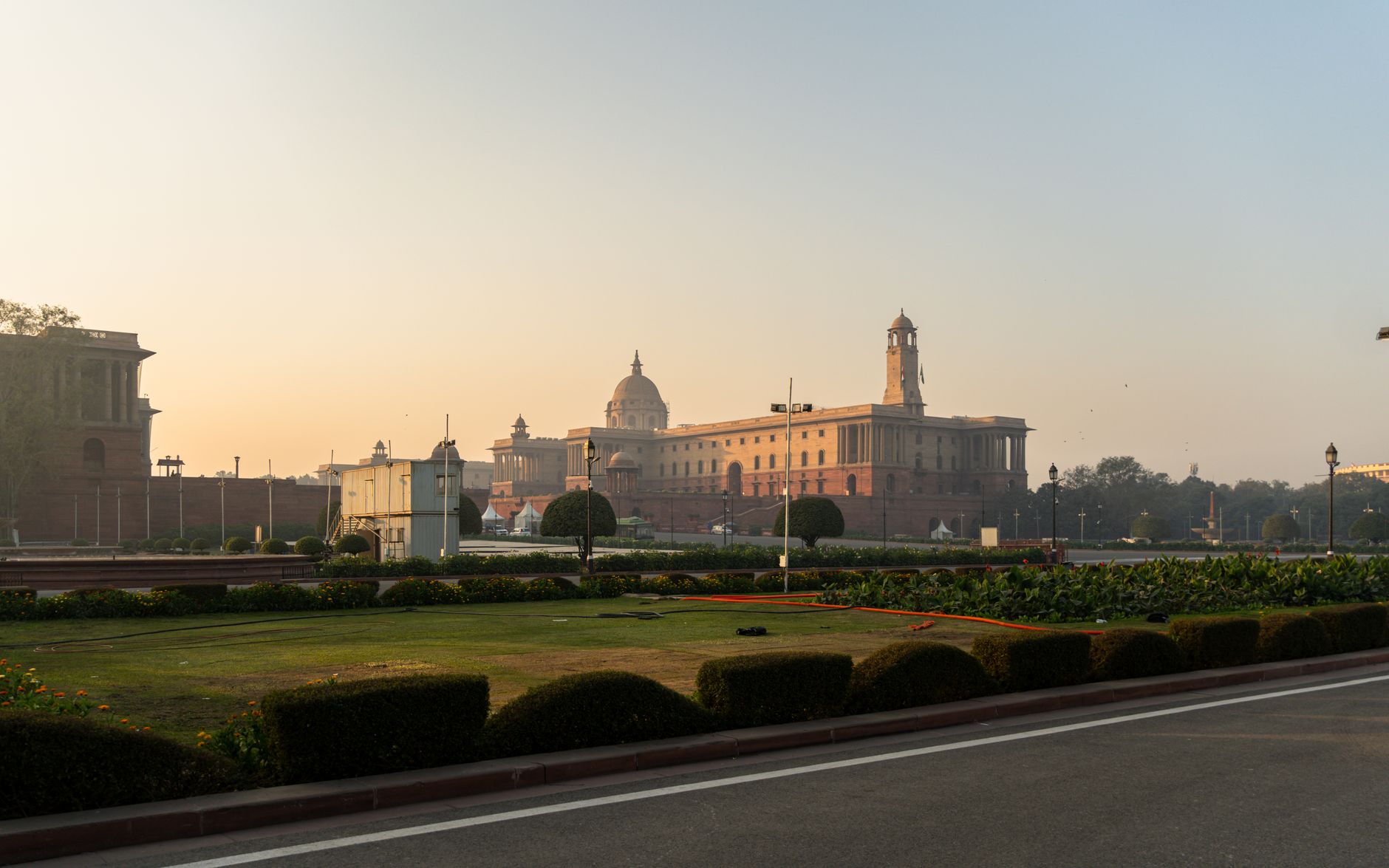
India, in particular, stands to benefit significantly from these trends. With its diverse offerings ranging from spiritual tourism to adventure travel, coupled with government initiatives to improve tourism infrastructure, the country is well-positioned to attract both international visitors and capitalize on growing domestic tourism.
Impact on Employment and Economic Development
The tourism sector's robust growth trajectory has profound implications for employment. Travel and tourism is labor-intensive, creating jobs across skill levels from entry-level hospitality positions to specialized roles in digital marketing, sustainable tourism management, and experience curation.
For many developing nations, tourism represents one of the fastest paths to economic development, generating foreign exchange earnings and stimulating investment in infrastructure that benefits local populations beyond just the tourism sector.
Sustainability Challenges and Opportunities
This projected growth comes with important caveats. The industry faces mounting pressure to address its environmental footprint, from carbon emissions associated with air travel to the impact of over-tourism on fragile ecosystems and cultural sites.
Progressive industry players are responding by investing in sustainable practices, developing eco-friendly accommodations, and promoting responsible tourism. The next decade will likely see sustainability transition from a niche concern to a mainstream expectation among travelers, particularly younger generations.
Technology's Transformative Role
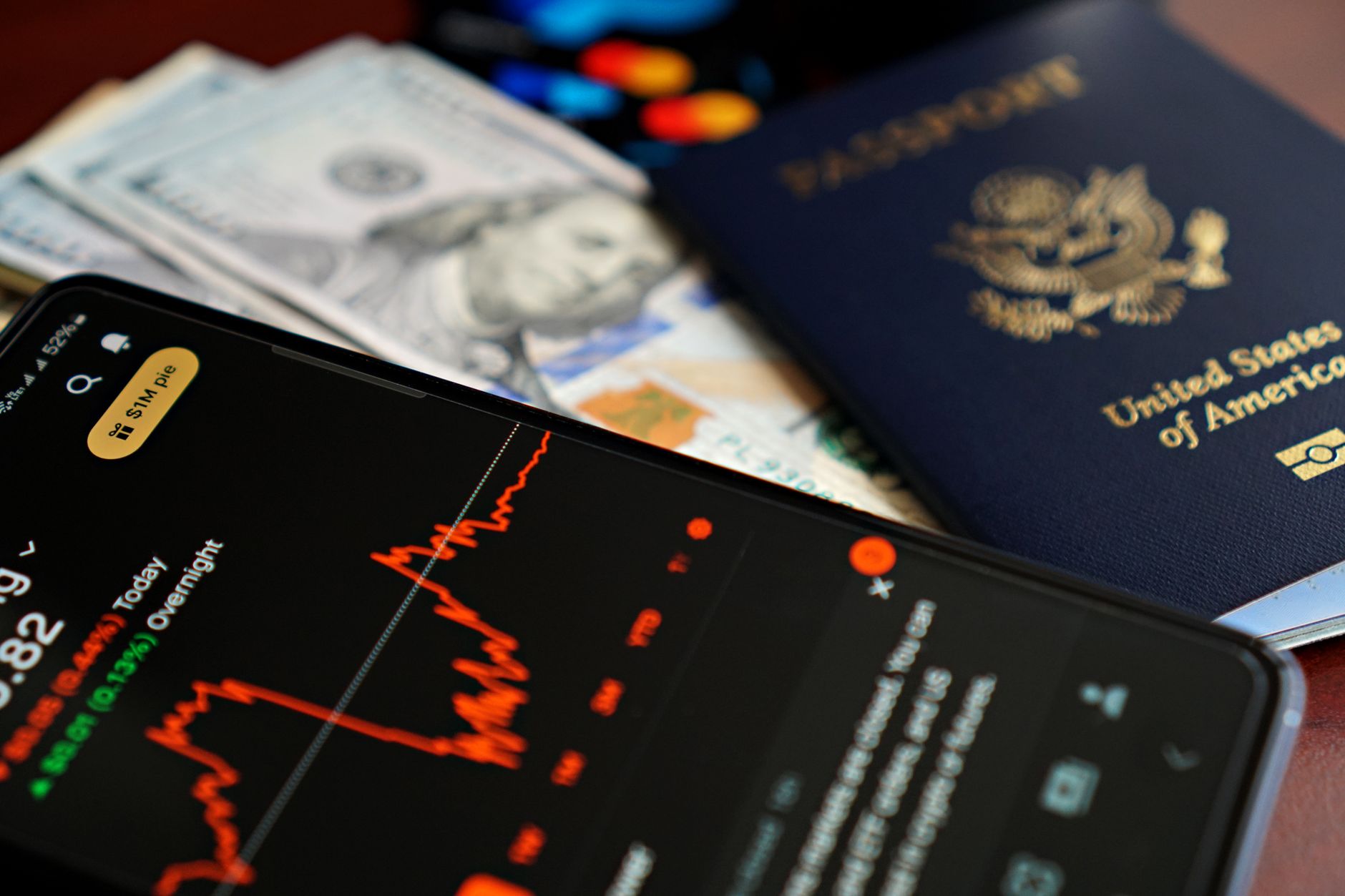
Digital innovation will continue reshaping the travel experience. Artificial intelligence is enabling hyper-personalized recommendations, while virtual reality allows potential travelers to preview destinations. Blockchain technology promises more secure transactions and seamless loyalty programs across providers.
Mobile technology has already made spontaneous travel easier, and this trend will accelerate with improved payment systems, real-time translation services, and integrated super-apps that combine transportation, accommodation, and activity bookings.
What This Means for Travelers
For consumers, the industry's growth should translate into more choices, competitive pricing, and improved services. However, travelers may also need to adapt to changing dynamics, booking further in advance for popular destinations during peak seasons and being more mindful of their impact on local communities.
The evolution of the industry also presents opportunities for more meaningful travel experiences, with operators increasingly focusing on authentic connections, cultural exchange, and transformative journeys rather than just sightseeing.
Preparing for the Tourism Boom
Businesses across the travel value chain should view these projections as a call to invest in capacity, training, and innovation. Destinations must balance growth with preservation, ensuring that increased visitor numbers enhance rather than diminish the qualities that make locations attractive.
For India specifically, capitalizing on this growth will require continued focus on improving infrastructure, streamlining regulations, and training a workforce capable of delivering world-class hospitality while showcasing the country's unique cultural heritage.