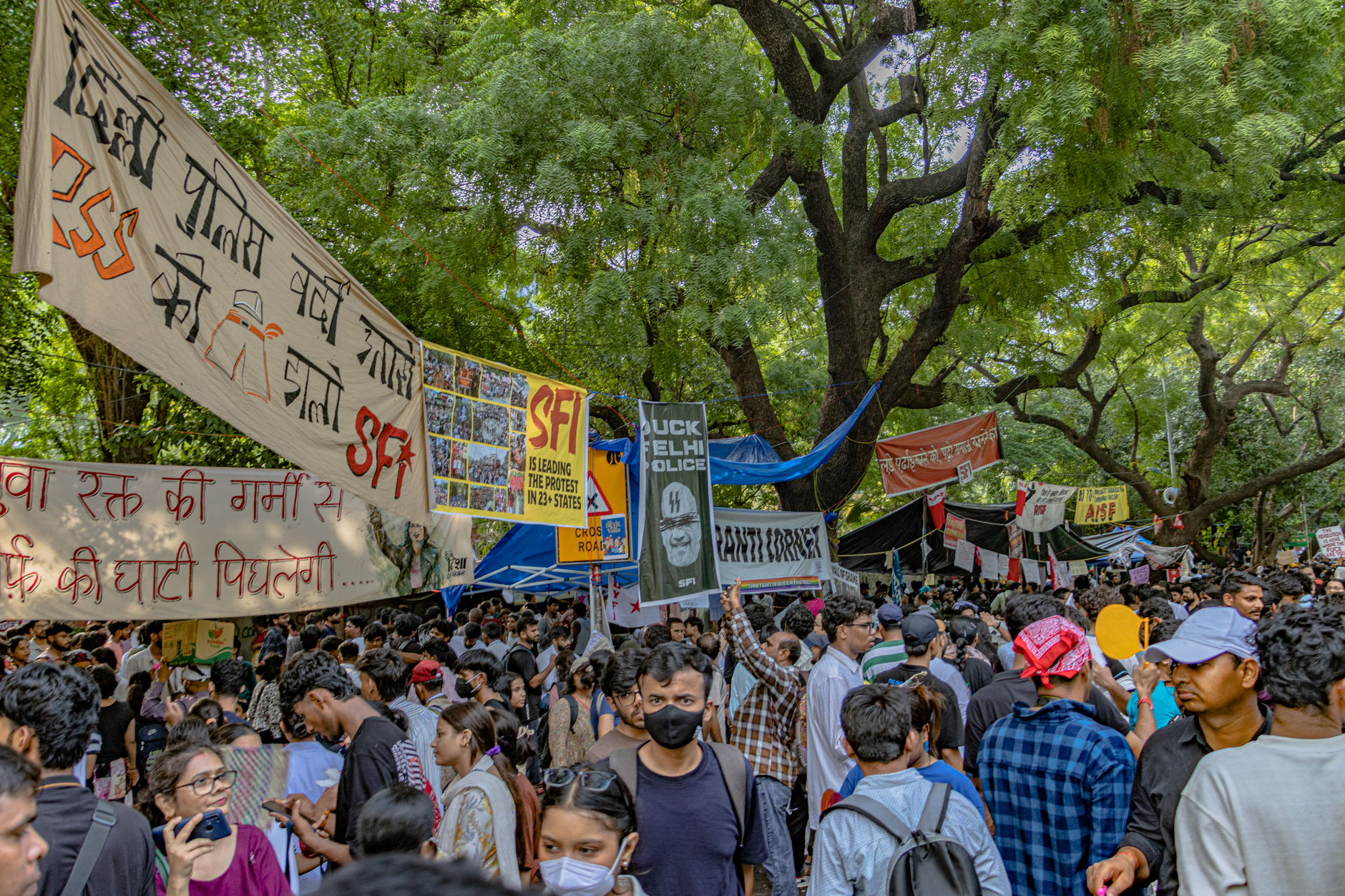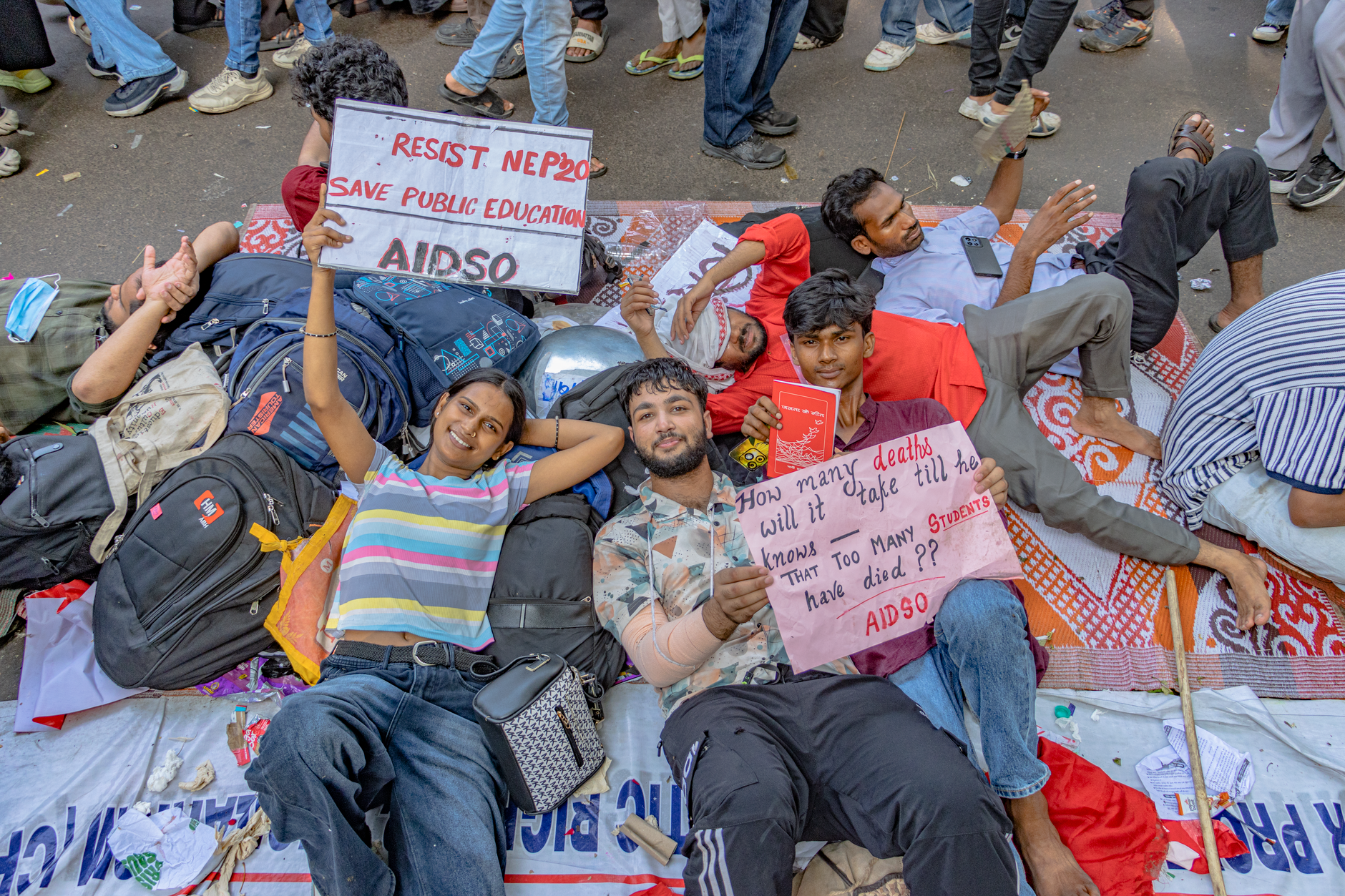
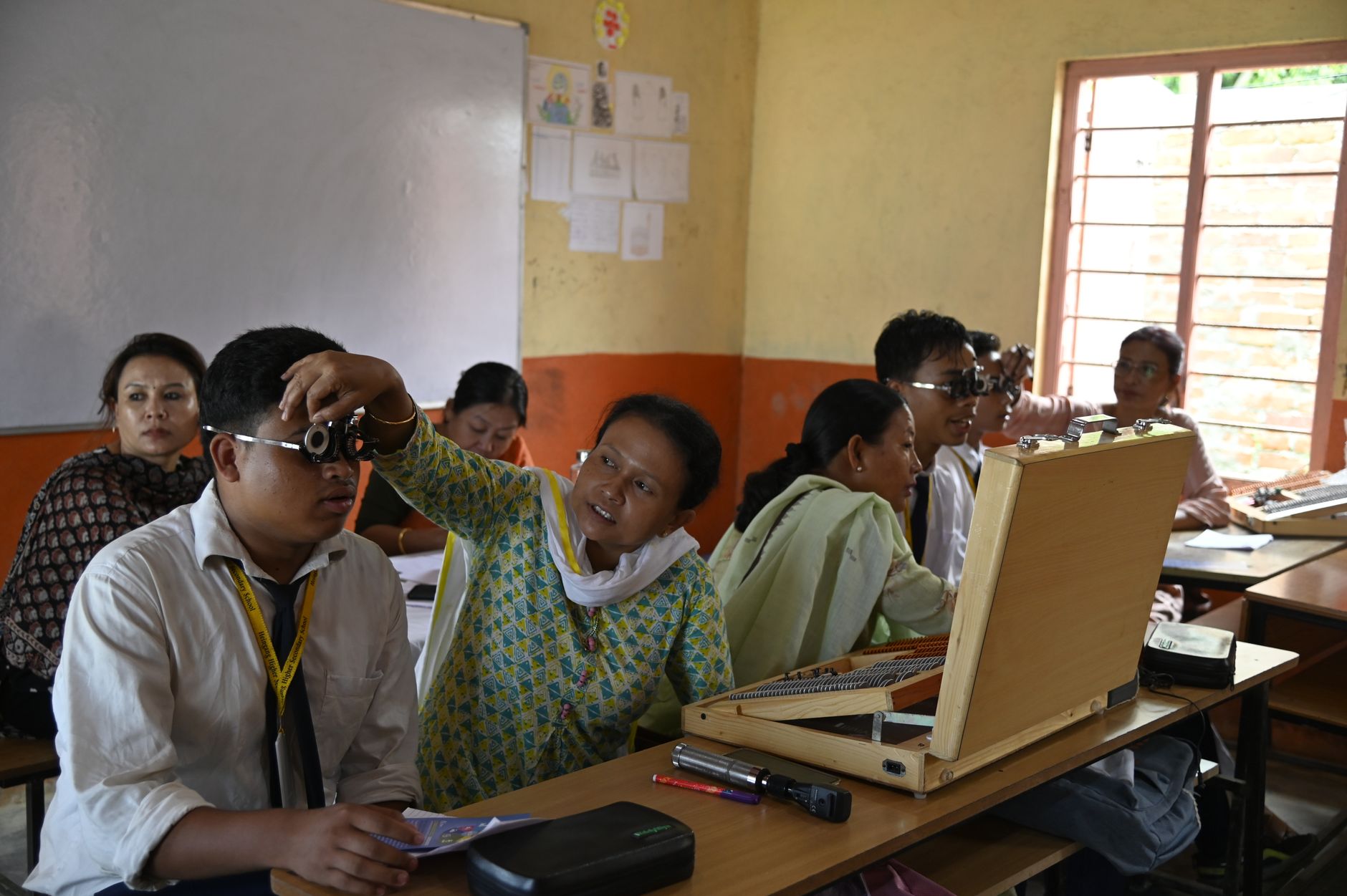
Nelson Mandela once said, "Education is the most powerful weapon which you can use to change the world." These words resonate deeply with India's current educational landscape, where despite significant progress, millions of children still lack access to quality learning opportunities. As India grapples with issues ranging from infrastructure gaps to learning outcome disparities, Mandela's educational philosophy offers a roadmap worth examining.
The Mandela Approach to Education
Mandela's vision of education extended far beyond literacy. He viewed it as a fundamental tool for dignity, equality, and social transformation. His approach emphasized three core principles: universal access without discrimination, education that empowers critical thinking rather than rote memorization, and learning that prepares individuals to contribute meaningfully to society. These principles emerged from South Africa's struggle against apartheid, where education was weaponized to maintain inequality.
In post-apartheid South Africa, Mandela championed educational reforms that prioritized inclusivity and sought to dismantle the structural barriers that had kept marginalized communities from learning. This experience holds particular relevance for India, where educational disparities continue to follow lines of caste, class, gender, and geography.
India's Educational Challenges
India's education system serves over 250 million students, making it one of the world's largest. Yet this scale brings enormous challenges. Government data consistently shows significant gaps between urban and rural learning outcomes. Students in remote areas often lack basic infrastructure like proper classrooms, toilets, or drinking water. Teacher shortages affect millions, with single teachers managing multiple grades simultaneously in some villages.
The quality concern extends beyond resources. Annual assessments reveal that many students in middle school cannot read basic texts or perform simple arithmetic at grade level. The emphasis on examination scores over conceptual understanding creates a system where memorization trumps critical thinking. Meanwhile, dropout rates remain high among marginalized communities, particularly girls and students from disadvantaged backgrounds.
Lessons from Mandela's Philosophy
Mandela's emphasis on education as an equalizer speaks directly to India's challenge of social stratification. His belief that quality education should not be a privilege but a right challenges India's two-tier system where private schools often provide vastly superior resources compared to government institutions. Bridging this gap requires policy interventions that ensure baseline quality standards across all schools, regardless of their funding source.
The focus on critical thinking over rote learning aligns with India's National Education Policy 2020, which aims to shift from memorization-based assessment to competency-based learning. However, implementation remains inconsistent. Mandela's South African reforms demonstrated that such transformation requires comprehensive teacher training, curriculum redesign, and assessment reform working in tandem.
Practical Applications for India
Several concrete steps could incorporate Mandela's wisdom into India's educational framework. First, strengthening the mid-day meal program and providing additional support services can address dropout rates by reducing the economic burden on families. Mandela understood that hunger and poverty are barriers to learning that schools must help overcome.
Second, empowering local communities in school governance can improve accountability and relevance. Mandela advocated for education that connected to students' lived experiences and community needs. In India, this might mean greater flexibility in curriculum to address regional contexts while maintaining national standards.
Third, investing heavily in teacher quality and motivation is essential. Mandela recognized teachers as nation-builders deserving of respect, resources, and professional development. India's teachers often work in challenging conditions with limited support. Comprehensive training programs, competitive compensation, and career development pathways could transform teaching from a fallback option to a sought-after profession.
Technology and Innovation
While Mandela worked in a pre-digital era, his principle of using available tools to maximize reach applies to India's digital education initiatives. The COVID-19 pandemic accelerated online learning adoption, revealing both opportunities and digital divides. Ensuring that technology serves as an equalizer rather than another source of inequality requires deliberate policy choices about infrastructure and access.
The Path Forward
Mandela's educational legacy reminds us that transforming education systems requires patience, commitment, and unwavering focus on equity. Quick fixes and piecemeal reforms cannot address systemic challenges. India needs sustained political will, adequate resource allocation, and active participation from educators, families, and communities to create the education system its youth deserve.
The measure of success is not just literacy rates or examination scores, but whether education truly empowers every child to reach their potential and contribute to society. As Mandela demonstrated, education can indeed change the world—but only when it reaches everyone with quality and purpose.