India faces a silent epidemic of heart disease that strikes much earlier and more severely than in Western populations. Dr Devi Shetty, one of the country's most respected cardiac surgeons, has made a striking recommendation that challenges conventional medical wisdom: every Indian should undergo cholesterol testing at the age of 17.
This advice underscores a growing concern among medical professionals about the alarming rise in cardiovascular disease among young Indians, often manifesting decades earlier than their counterparts in other countries.
The Indian Heart Disease Paradox
Indians have a significantly higher risk of developing heart disease compared to other ethnic groups, despite often having lower body mass indices and similar lifestyle factors. This phenomenon, known as the "South Asian paradox," has puzzled researchers for years.
Several factors contribute to this heightened vulnerability. Genetic predisposition plays a crucial role, with Indians carrying specific gene variants that affect how their bodies process cholesterol and lipids. Additionally, Indians tend to develop insulin resistance and diabetes at lower body weights, creating a cascade of metabolic problems that damage blood vessels over time.
The traditional age for cholesterol screening in most countries is 35 or older, but this timeline may be dangerously delayed for the Indian population, where heart attacks in the 30s and 40s are increasingly common.
Why Age 17 Matters
The recommendation to test at 17 is strategic and science-based. By late adolescence, dietary and lifestyle patterns have typically solidified, and any genetic predispositions to cholesterol problems become detectable. More importantly, this is a critical window for intervention before significant arterial damage occurs.
Early detection allows for timely lifestyle modifications that can dramatically alter disease trajectory. When young people discover elevated cholesterol levels, they have the opportunity to make dietary changes, increase physical activity, and develop heart-healthy habits that become ingrained for life.
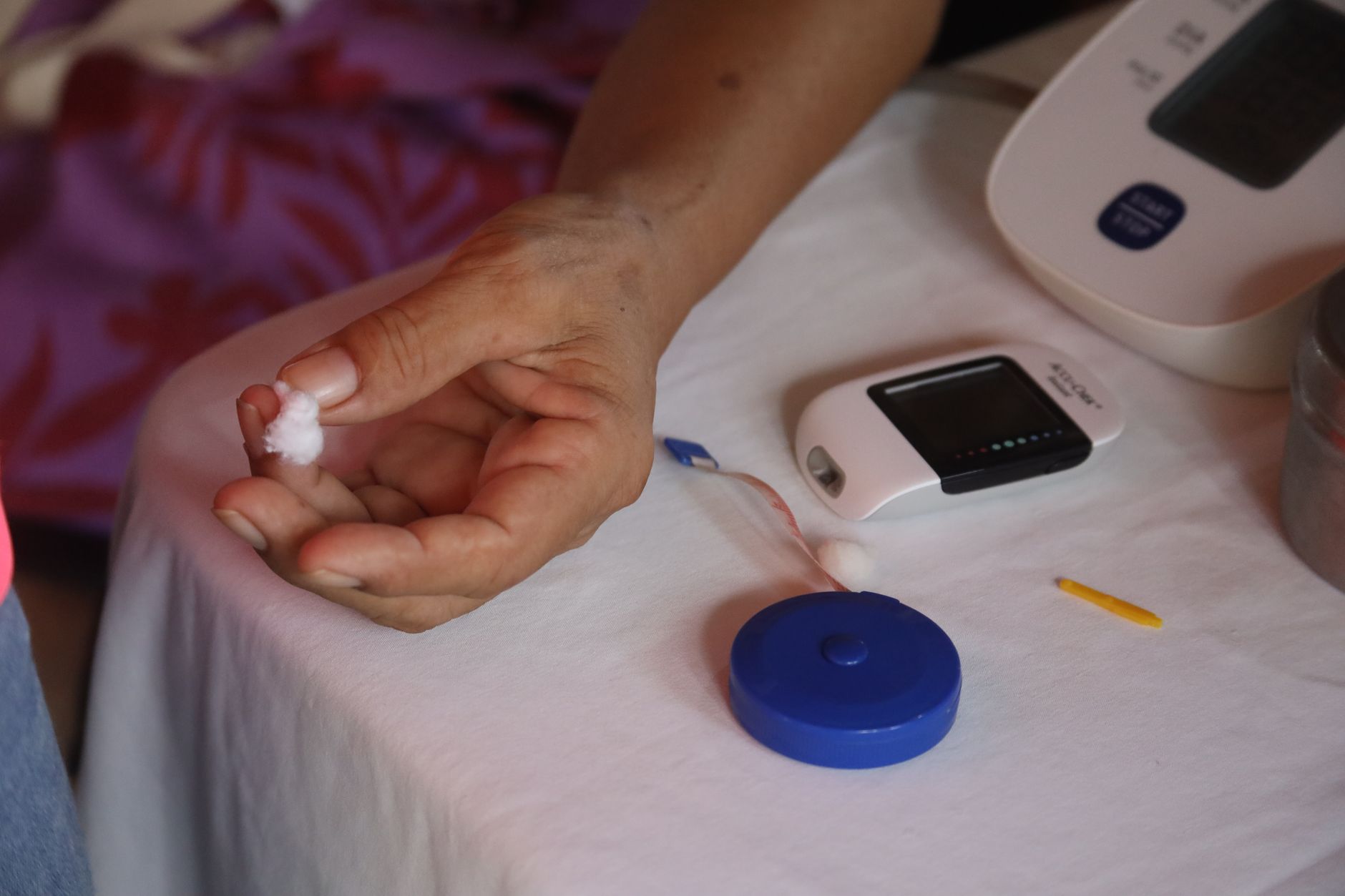
Understanding Cholesterol Testing
A comprehensive cholesterol test, known as a lipid profile, measures several key markers:
- Total cholesterol levels
- LDL (low-density lipoprotein) or "bad" cholesterol
- HDL (high-density lipoprotein) or "good" cholesterol
- Triglycerides
- VLDL (very low-density lipoprotein) in some tests
For young Indians, particular attention should be paid to LDL cholesterol and triglyceride levels, as these tend to show concerning patterns even in adolescence among those at risk.
The Rising Tide of Young Heart Attacks
Cardiovascular disease accounts for nearly 28 percent of all deaths in India, with a troubling trend of heart attacks affecting people in their prime working years. Cardiologists across the country report treating patients in their 20s and 30s for conditions once considered diseases of old age.
This shift has profound implications for families and the economy. When breadwinners suffer heart attacks or require bypass surgery in their 40s, entire families face financial devastation. Early screening and prevention could avert many of these tragedies.
Beyond Testing: Creating a Prevention Culture
While cholesterol testing at 17 provides valuable information, it must be part of a broader prevention strategy. Schools and colleges should integrate cardiovascular health education into their curricula, teaching students about nutrition, exercise, stress management, and the specific risks faced by Indians.
Parents play a crucial role in modeling healthy behaviors. Families that prioritize home-cooked meals, limit processed foods, and engage in regular physical activity together create protective environments for young hearts.
Taking Action on Test Results
If cholesterol levels are normal at 17, periodic retesting every few years helps track changes. For those with elevated readings, immediate action is essential. This typically includes:
- Dietary modifications reducing saturated fats and trans fats
- Increased consumption of fiber, omega-3 fatty acids, and plant sterols
- Regular aerobic exercise, aiming for 150 minutes weekly
- Weight management if needed
- Stress reduction techniques
- In some cases, medical intervention under doctor supervision
The goal is not to medicalize youth but to empower young Indians with knowledge about their cardiovascular health while they still have maximum capacity to change their disease trajectory.
Dr Shetty's recommendation reflects an urgent need to reimagine preventive healthcare in India. As the country grapples with a cardiovascular disease burden that increasingly affects its youngest and most productive citizens, early screening represents a simple yet powerful tool for saving lives and preventing suffering.
This article is for general informational purposes only and does not constitute medical advice. Please consult with qualified healthcare professionals for personalized health recommendations and before making any decisions about screening or treatment.