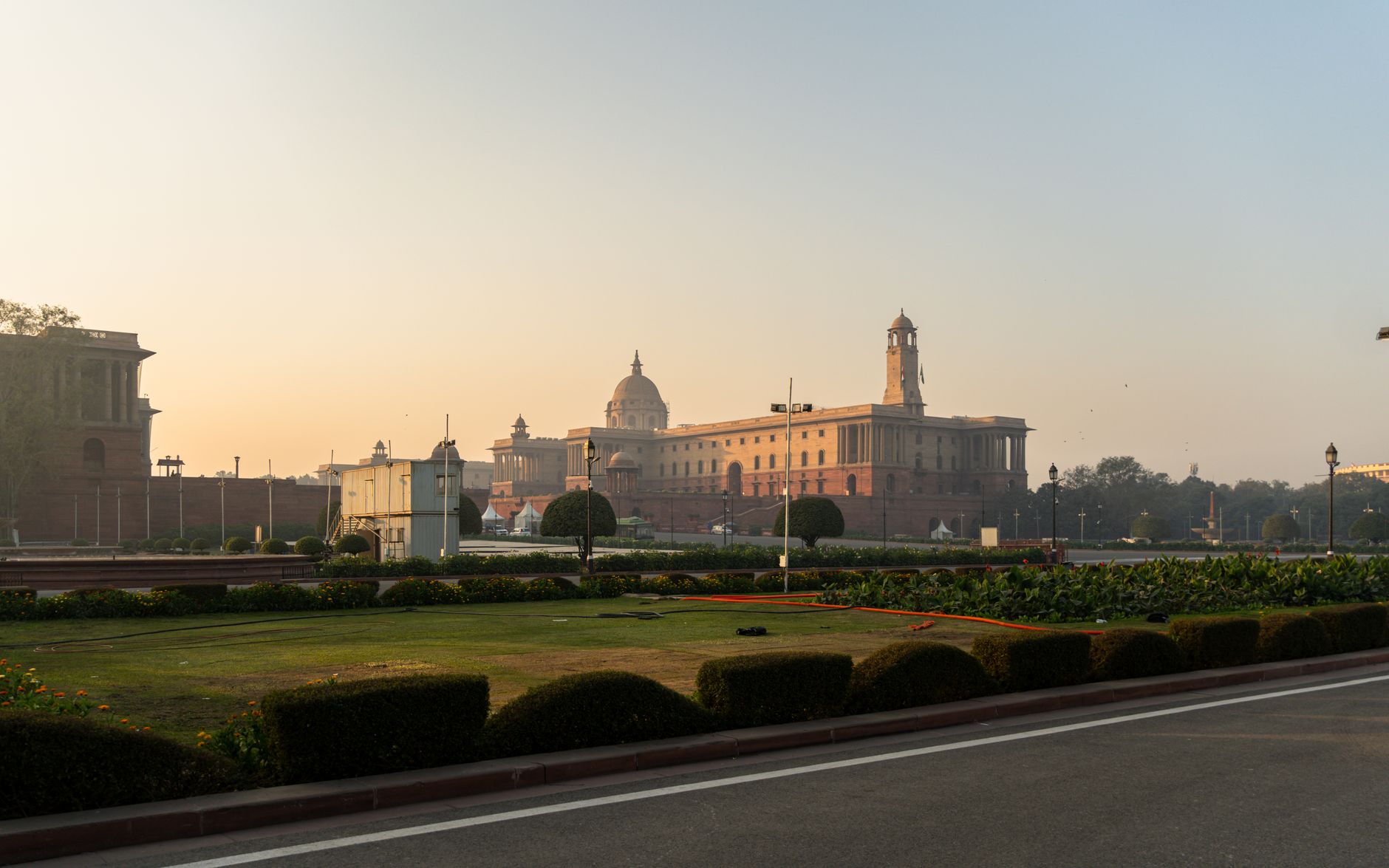
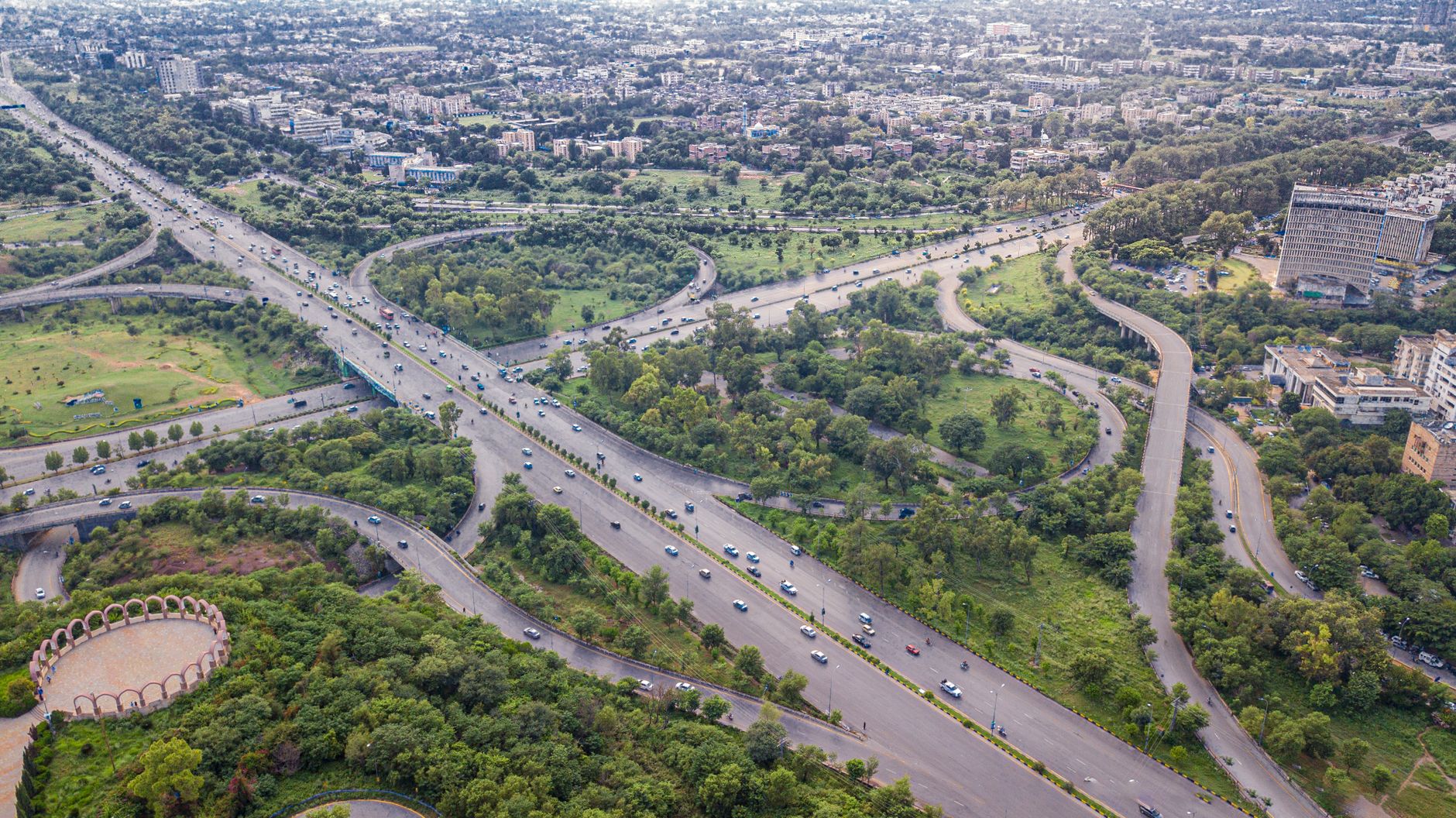
India's tourism sector is experiencing a remarkable transformation, driven primarily by unprecedented infrastructure development across the country. From world-class airports to expansive highway networks and modern hospitality facilities, these improvements are not only making travel more accessible but also contributing significantly to economic growth and employment generation.
The Airport Revolution
India has witnessed an extraordinary expansion in aviation infrastructure over the past decade. The country now boasts over 150 operational airports, with several new greenfield airports opening in tier-2 and tier-3 cities. This expansion has democratized air travel, connecting previously remote destinations directly to major metros and international hubs.
Regional connectivity schemes have played a crucial role in this transformation, making air travel affordable for middle-class travelers and opening up lesser-known destinations. Cities like Darbhanga, Sindhudurg, and Kushinagar now have their own airports, bringing tourists closer to cultural and religious sites while reducing travel time significantly.
Highway Networks Opening New Destinations
The development of national highways and expressways has revolutionized road travel across India. Modern four-lane and six-lane highways now connect major tourist circuits, reducing journey times and improving safety. The introduction of expressways has made weekend getaways from major cities increasingly popular, boosting domestic tourism.
Mountain destinations in Himachal Pradesh, Uttarakhand, and the Northeast are now more accessible than ever, with improved road infrastructure making previously challenging journeys comfortable. Coastal highways have opened up pristine beaches and seaside towns, while desert circuits have become easier to navigate.
Railway Modernization and Tourism Trains
Indian Railways continues to modernize its network with high-speed corridors, upgraded stations, and specialized tourism trains. The introduction of Vande Bharat trains on popular routes has made train travel faster and more comfortable, while heritage luxury trains like the Maharajas' Express continue to attract high-spending international tourists.
Railway stations in major cities are being transformed into modern transit hubs with improved amenities, making the entire travel experience more pleasant. The development of railway connectivity to pilgrimage sites and tourist destinations has made group travel and family vacations more convenient.
Hospitality Infrastructure Boom
The hotel and accommodation sector has expanded rapidly to meet growing demand. International hotel chains have established presence in tier-2 cities, while homegrown brands have scaled up operations nationwide. The emergence of alternative accommodation options, from boutique heritage properties to eco-resorts, has diversified choices for travelers across budget segments.
Tourism infrastructure extends beyond hotels to include convention centers, amusement parks, and entertainment complexes that serve both domestic and international visitors. These facilities have positioned Indian cities as viable destinations for business tourism, conferences, and events.
Digital Infrastructure Enabling Seamless Travel
The often-overlooked digital infrastructure has been equally transformative. Widespread mobile connectivity and internet access have made trip planning, booking, and navigation significantly easier. Digital payment systems have reduced the hassles of currency exchange and cash management, particularly benefiting international tourists.
Tourism apps and platforms provide real-time information, reviews, and booking options, empowering travelers to make informed decisions and customize their experiences. This digital transformation has particularly benefited solo travelers and younger demographics who prefer independent exploration.
Economic Impact and Employment Generation
Infrastructure development in tourism has created a multiplier effect on the economy. Construction projects generate immediate employment, while operational tourism infrastructure provides sustained job opportunities. Local communities benefit through entrepreneurship opportunities in hospitality, transportation, handicrafts, and food services.
The improved accessibility of destinations has encouraged more frequent domestic travel, keeping tourism spending within the country. International tourist arrivals have also grown as India's improved infrastructure addresses previous concerns about comfort and connectivity.
Challenges and Future Prospects
Despite impressive progress, challenges remain. Infrastructure development must be balanced with environmental conservation, particularly in ecologically sensitive tourist destinations. Some popular sites face overcrowding issues that require better management systems and capacity planning.
The focus is now shifting toward sustainable tourism infrastructure that minimizes environmental impact while maximizing visitor experience. Smart city initiatives in tourist destinations aim to integrate technology with infrastructure for efficient resource management.
Looking ahead, continued infrastructure investment promises to unlock new destinations and diversify India's tourism offerings. The development of cruise terminals, adventure sports facilities, and wellness tourism infrastructure will attract niche segments and extend average stay durations.
India's infrastructure-led tourism growth demonstrates how strategic investments in connectivity and facilities can transform an entire sector, creating economic opportunities while showcasing the country's diverse attractions to the world.