Malaysia has long been a favourite destination for Indian travellers, consistently ranking among the top international choices for families and honeymooners. Now, Tourism Malaysia is recalibrating its strategy by shifting focus toward India's tier-II cities, particularly in Maharashtra, recognising the untapped potential of emerging urban markets beyond the traditional metro strongholds of Mumbai, Delhi, and Bangalore.
Why Tier-II Cities Matter
India's tier-II cities—including places like Pune, Nashik, Nagpur, and Aurangabad in Maharashtra—have witnessed remarkable economic growth over the past decade. Rising disposable incomes, improved connectivity through new airports and better rail links, and increased exposure to global lifestyles through digital media have created a new generation of travellers eager to explore international destinations.
These cities collectively represent millions of potential tourists who previously might have considered international travel beyond their reach. With growing middle-class populations and aspirational spending patterns, tier-II markets offer tourism boards a significant opportunity for expansion without the saturation challenges of metro cities.
What Makes Malaysia Attractive to Indian Travellers
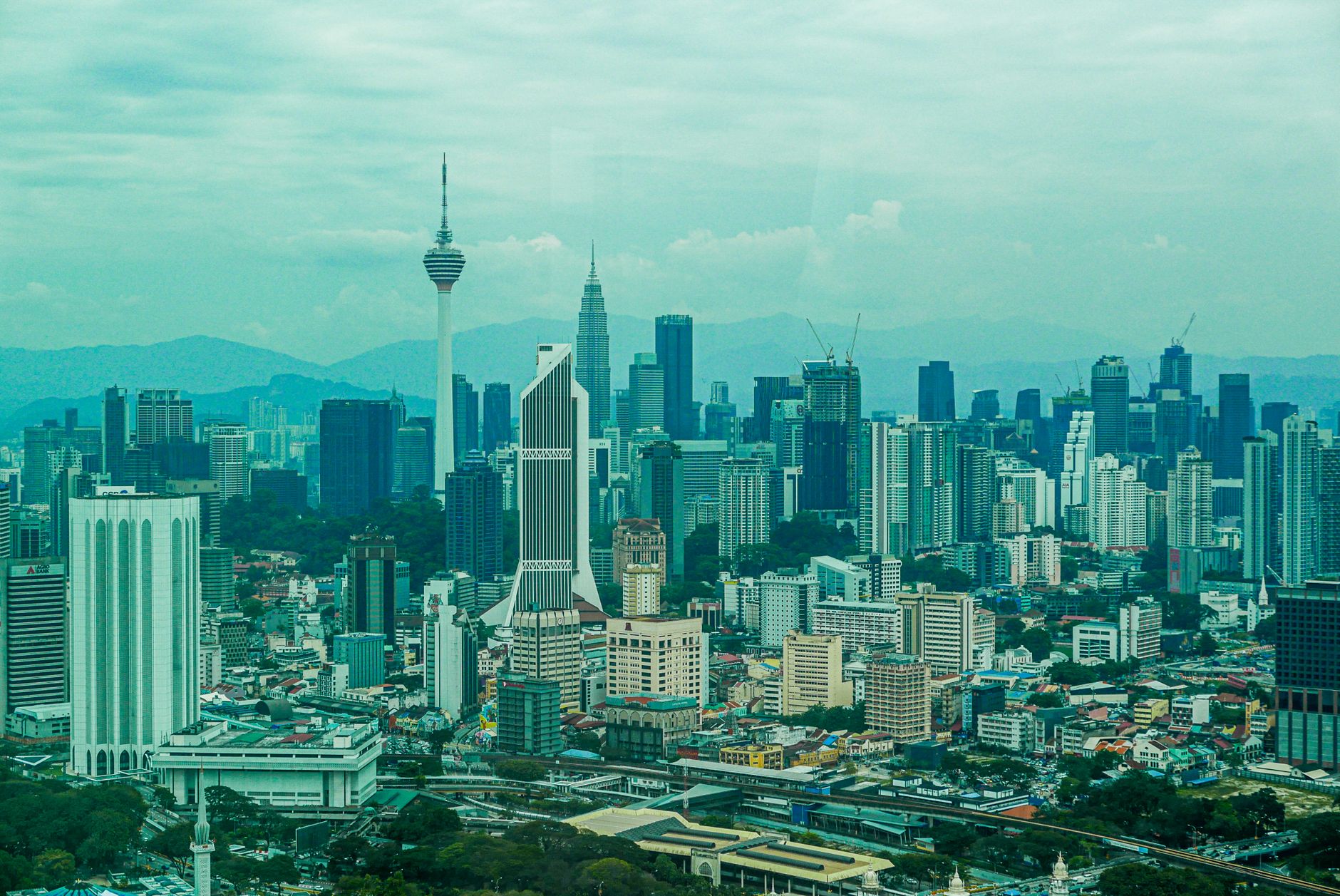
Malaysia's appeal to Indian tourists rests on several pillars. The country offers diverse experiences ranging from modern cityscapes in Kuala Lumpur to pristine beaches in Langkawi and cultural heritage sites in Malacca and Penang. The presence of established Indian communities, availability of Indian cuisine, and familiar cultural touchpoints make Malaysia comfortable for first-time international travellers.
Visa accessibility has also played a crucial role. Malaysia offers e-visa facilities and visa-on-arrival options for Indian passport holders, simplifying the travel process considerably compared to many Western destinations. Additionally, Malaysia's position as a relatively affordable international destination—with competitive pricing on accommodation, food, and activities—makes it accessible to the emerging middle class in tier-II cities.
Maharashtra's Strategic Importance
Maharashtra represents a strategic market for international tourism promotion. While Mumbai remains India's financial capital and a primary source market, the state's tier-II cities have shown impressive growth trajectories. Pune, for instance, has evolved into a major IT and education hub with a young, globally-minded population. Nagpur serves as a commercial centre for central India, while cities like Nashik and Aurangabad have grown as industrial and cultural hubs.
The state's improved infrastructure—including international airports in Pune and Nagpur, and expanding domestic connectivity—has made international travel more accessible to residents of these cities. Previously, travellers from these locations often needed to transit through Mumbai, adding cost and complexity to their journeys.
The Broader Outreach Strategy
Tourism Malaysia's tier-II city focus likely involves multiple engagement channels. Road shows and travel trade meets connect with local travel agents who understand their markets intimately. Digital marketing campaigns targeted to specific geographies can reach potential travellers where they consume content. Collaborations with regional travel influencers and content creators help showcase Malaysia's offerings in locally relevant contexts.
Educational initiatives for travel trade partners—training sessions on Malaysia's destinations, new attractions, and package creation—empower local agents to sell Malaysia more effectively. Competitive pricing arrangements with airlines operating from tier-II airports can make travel packages more attractive to price-conscious consumers.
Implications for Indian Travellers
For residents of Maharashtra's tier-II cities, this focused attention from Malaysia's tourism authorities could translate into tangible benefits. Expect more direct flight options or convenient connections, specially curated tour packages catering to regional preferences, and competitive pricing as airlines and tour operators compete for this growing market.
The increased focus may also result in better information availability in local languages, more culturally relevant marketing that speaks to tier-II travellers' specific interests and concerns, and potentially simplified visa processes or promotional schemes targeting these markets.
The Competitive Landscape
Malaysia isn't alone in recognising India's tier-II potential. Destinations like Thailand, Singapore, the UAE, and even longer-haul locations are increasingly looking beyond metros. This competition ultimately benefits travellers through better deals, improved services, and more destination choices.
For Malaysia, differentiation will come from leveraging its unique strengths—cultural familiarity, diverse experiences within a compact geography, value for money, and accessibility. Success will depend on how effectively these messages reach and resonate with tier-II travellers who may be planning their first or second international trip.
The expansion into tier-II cities represents a maturation of India's outbound tourism market and acknowledgment that travel aspirations now extend well beyond metropolitan boundaries.