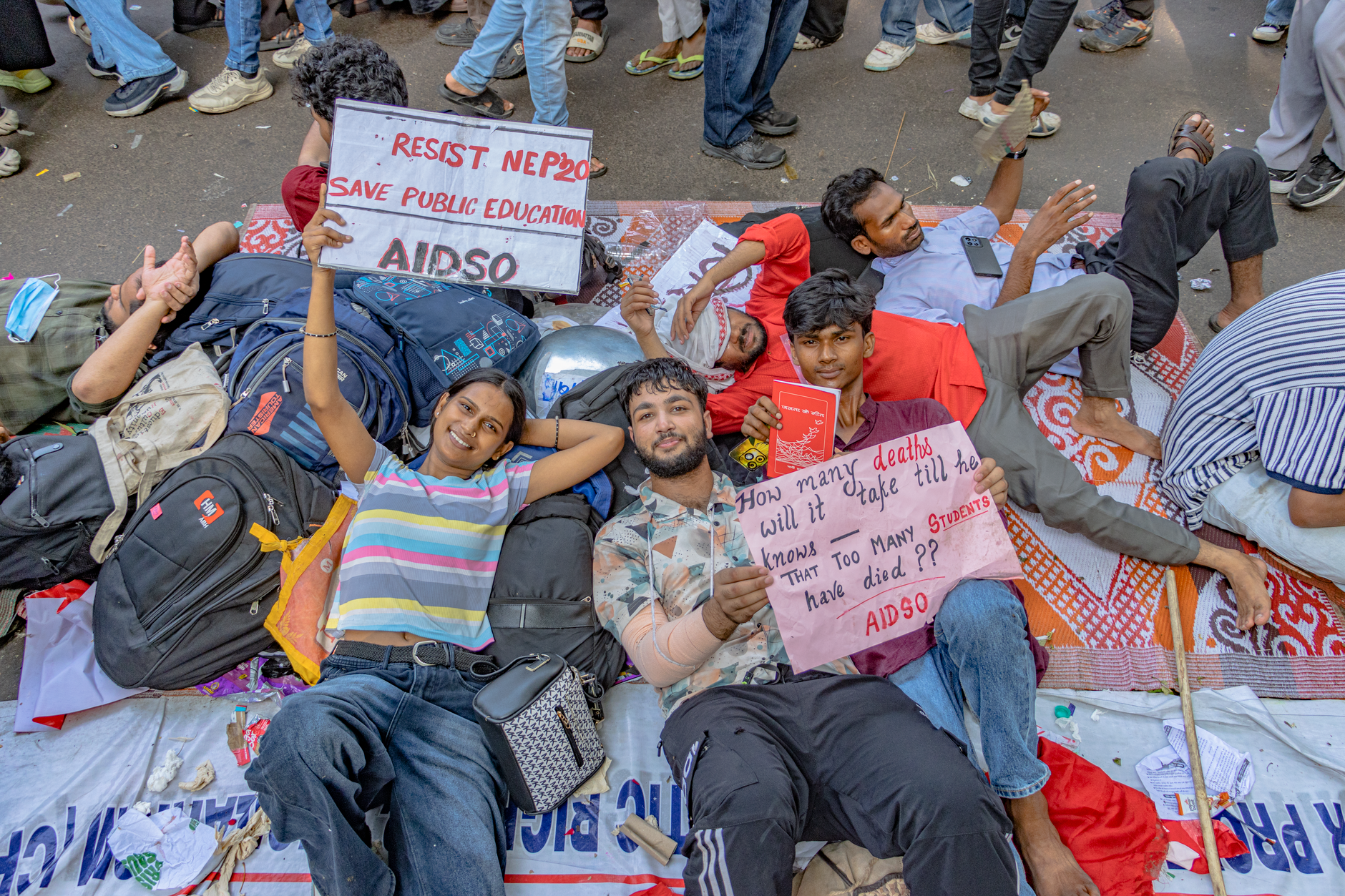
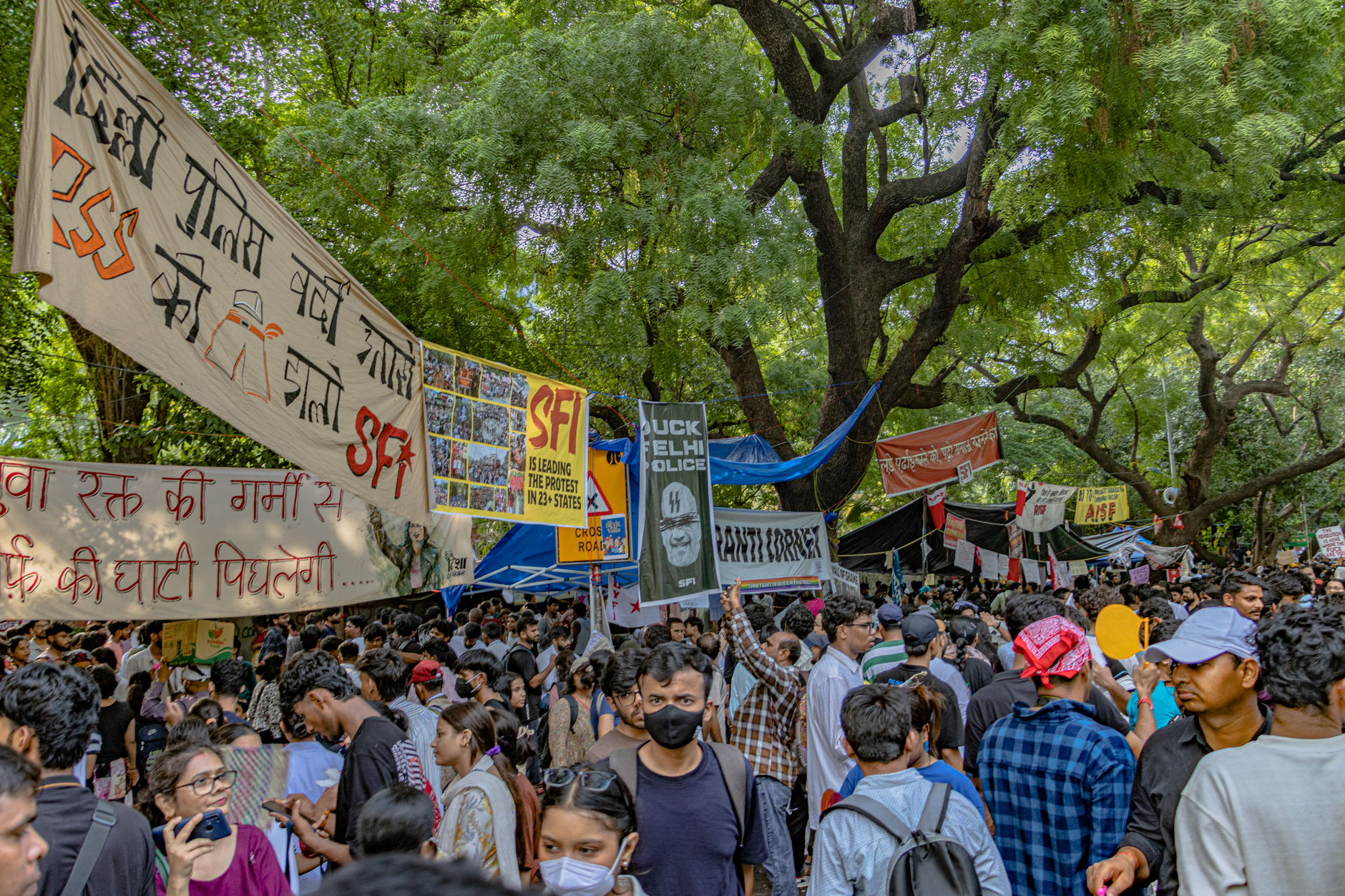
Student protests in India have long been a powerful mechanism for expressing grievances related to education policies, examination systems, and institutional governance. The recent wave of demonstrations dubbed 'Cockroach' protests has sparked considerable debate about the government's approach to addressing student concerns and maintaining order in educational institutions.
Understanding the 'Cockroach' Protest Movement
The term 'Cockroach' protests appears to reference student demonstrations that have spread rapidly across multiple cities and educational institutions, much like the resilient insect's ability to survive and proliferate in various environments. These protests typically emerge when students feel their concerns are being ignored or dismissed by authorities, leading to coordinated action across campuses.
Student movements in India have historically centered around issues such as fee hikes, admission policies, examination irregularities, infrastructure deficiencies, and demands for institutional autonomy. The current demonstrations appear to follow this tradition of organized student activism that has shaped education policy debates for decades.
Government's Initial Response
Indian government authorities at both central and state levels typically employ a multi-pronged approach when addressing student protests. Initial responses generally involve deploying police forces to maintain order and prevent disruption to academic activities and public infrastructure. This security-focused approach aims to contain the spread of demonstrations while authorities assess the underlying grievances.
Officials often issue public statements through education ministry spokespersons or institutional administrators, addressing the protesters' demands and outlining existing policies. This communication strategy attempts to demonstrate government responsiveness while maintaining institutional authority.
Dialogue and Negotiation Efforts
Following initial containment measures, government representatives usually establish dialogue channels with student leaders and protest organizers. These negotiations may involve:
- Formation of committees to examine student grievances
- Meetings between education ministry officials and student representatives
- Involvement of university administrators in mediation efforts
- Promises to review contentious policies or examination procedures
- Timeline commitments for addressing specific demands
The effectiveness of these dialogue mechanisms varies considerably depending on the nature of demands, political climate, and willingness of both parties to compromise.
Policy Adjustments and Concessions
Depending on the legitimacy and scale of student demands, governments may announce policy modifications or concessions. These could include postponing controversial reforms, establishing grievance redressal mechanisms, or committing to infrastructure improvements. Such concessions serve dual purposes: addressing genuine student concerns while also defusing protest momentum.
However, governments carefully balance concessions against maintaining policy consistency and avoiding perceptions of capitulating to pressure tactics that might encourage future demonstrations.
Law Enforcement Measures
When protests escalate or involve activities deemed disruptive to public order, authorities may implement stricter law enforcement measures. These can range from temporary campus closures to arrest of protest leaders under various legal provisions. Such actions often prove controversial, with critics arguing they suppress legitimate democratic expression while supporters contend they're necessary to maintain order.
The use of force during student protests regularly attracts media scrutiny and public debate about proportionality and respect for democratic rights.
Long-term Structural Responses
Beyond immediate crisis management, the government's response to recurring student protests often includes commitments to structural reforms in the education sector. These may involve:
- Establishing permanent student grievance committees
- Reviewing fee structures and scholarship programs
- Improving infrastructure investment timelines
- Enhancing transparency in examination and admission processes
- Creating formal channels for student participation in institutional governance
The implementation and effectiveness of these long-term measures significantly impact the credibility of government responses to student activism.
Political Dimensions
Student protests in India frequently acquire political dimensions, with opposition parties supporting demonstrators and criticizing government handling, while ruling parties defend their education policies and question protest motivations. This political backdrop influences how governments balance firm action against being perceived as repressive toward youth concerns.
The response to any student movement reflects broader governance philosophies regarding democratic expression, institutional authority, and youth engagement in policy-making processes.
Impact on Education Policy Discourse
Regardless of immediate outcomes, significant student protests typically influence ongoing education policy discussions. They highlight gaps between policy intentions and ground-level implementation, forcing authorities to reconsider assumptions about student needs and institutional responsiveness. The legacy of such movements often extends beyond specific demands to shape how future education reforms are conceived and communicated.