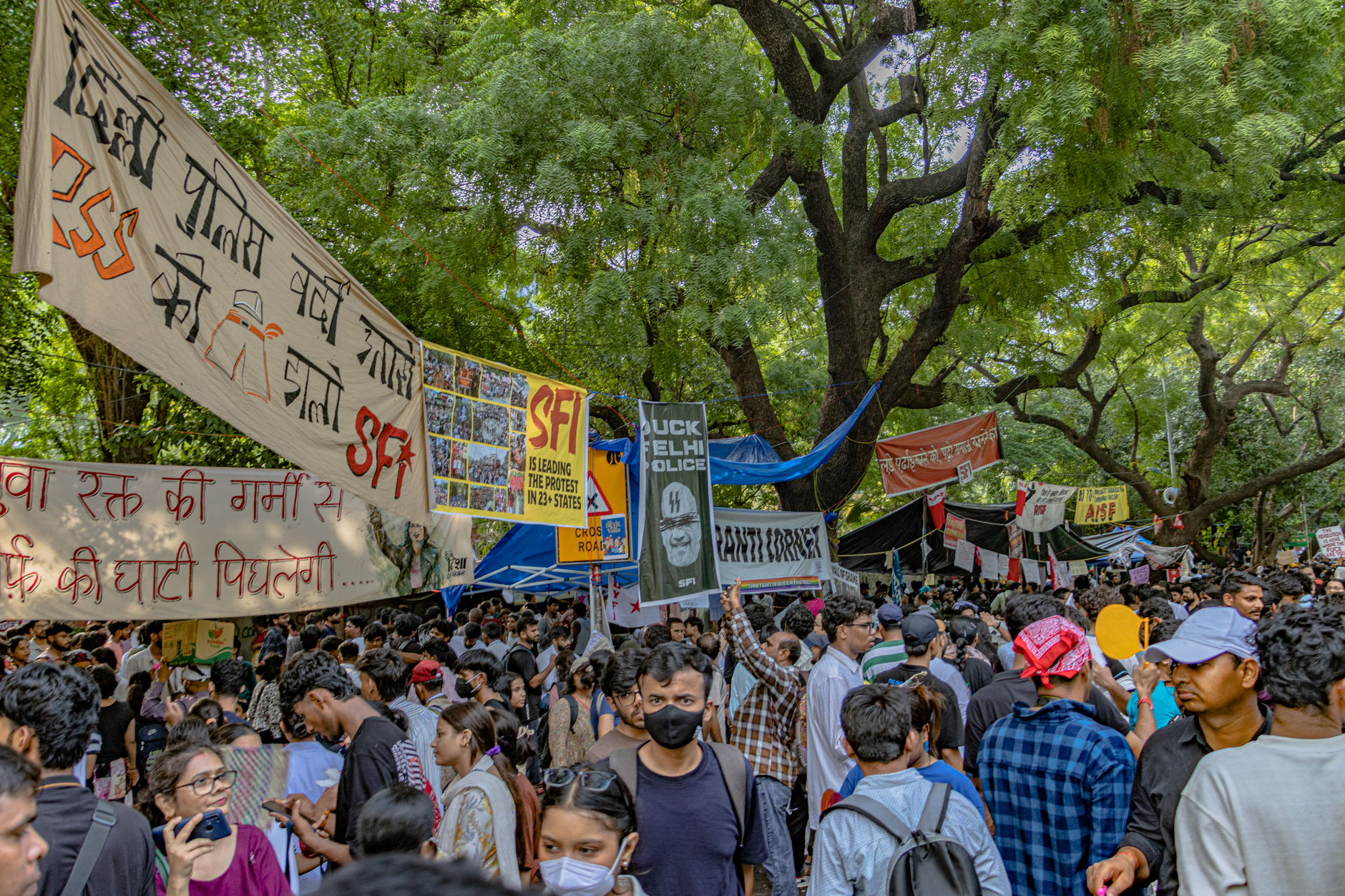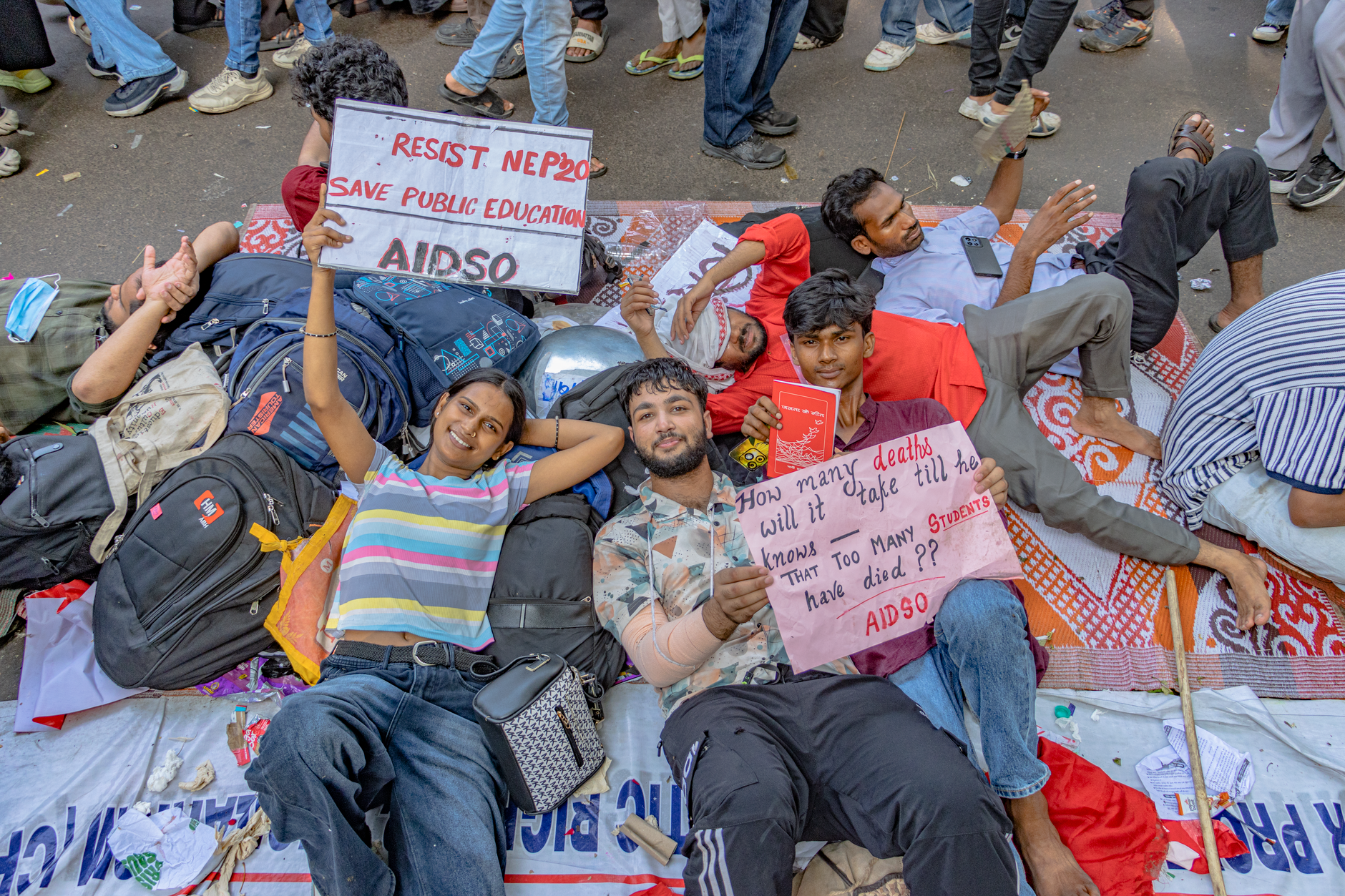

India's obsession with competitive examinations has created a parallel education economy that rivals, and in some ways exceeds, the country's formal education spending. While the provocative claim about exam costs may be rhetorical, it points to a genuine crisis in how India approaches learning and assessment.
The Hidden Economics of Entrance Exams
The competitive examination system in India generates massive economic activity that often goes unmeasured in official budgets. Families across the country spend lakhs of rupees annually on coaching classes, study materials, mock tests, and exam preparation resources. The coaching industry for entrance exams like JEE, NEET, UPSC, and various state-level tests has grown into a multi-billion dollar sector, with major coaching hubs in cities like Kota, Delhi, Hyderabad, and Bengaluru.
When you add up the direct costs families bear, the opportunity costs of students spending years focused solely on exam preparation, and the broader social costs of this system, the total economic impact becomes staggering. Students often join coaching classes as early as Class 8 or 9, meaning families invest in exam preparation for four to five years before the actual test.
Beyond Financial Costs
The true cost of India's exam-centric system extends far beyond monetary figures:
- Mental health impacts, with rising rates of anxiety and depression among students
- Loss of holistic education as schools align curricula to coaching center models
- Regional inequalities, as students from smaller towns migrate to coaching hubs
- Family stress and financial strain on middle-class households
- Delayed entry into productive work as students take multiple attempts
Studies have shown that many students who eventually succeed in these exams report that their school education became largely irrelevant, replaced entirely by coaching center instruction. This represents a fundamental failure of the formal education system.
The Budget Comparison Debate
While India's education budget runs into thousands of crores of rupees annually, the combined private spending on exam preparation, coaching, and related services likely approaches or exceeds this figure when calculated comprehensively. The Union and state governments allocate substantial funds for education, but much of this goes toward salaries, infrastructure, and mid-day meal schemes rather than improving teaching quality or learning outcomes.
The private coaching sector operates with minimal regulation and often extracts maximum fees from desperate families who see competitive exams as the only path to secure futures for their children. This creates a situation where education becomes less about learning and more about financial investment in exam strategy.
Structural Problems in the System
The reliance on single high-stakes examinations creates perverse incentives throughout the education ecosystem. Schools judge their success by how many students crack competitive exams rather than by comprehensive learning outcomes. Teachers often encourage students to skip regular classes in favor of coaching centers. The curriculum itself becomes narrow, focused on what appears in exams rather than developing critical thinking or creativity.
Some of the most concerning aspects include:
- Limited seats in premier institutions creating artificial scarcity
- Lack of alternative pathways to quality education and careers
- Standardized testing that fails to measure diverse talents and abilities
- Rote learning and pattern recognition replacing genuine understanding
- Commercial exploitation of student anxiety by unregulated coaching centers
The Need for Systemic Reform
Addressing this crisis requires fundamental changes to how India approaches education and assessment. Some countries have moved toward continuous evaluation, portfolio-based assessments, and multiple pathways to higher education. India's own National Education Policy 2020 proposes reforms, but implementation remains slow and uneven.
Expanding quality higher education infrastructure would reduce the extreme competition for limited seats. Creating multiple assessment opportunities throughout the year rather than single make-or-break exams could reduce stress and coaching dependence. Regulating the coaching industry and integrating legitimate supplementary education into the formal system might help channel these resources more productively.
The conversation about exam costs versus education budgets highlights a deeper question about national priorities. Are we investing in education or in a sorting mechanism that creates winners and losers? Real education reform would mean ensuring that government spending on schools produces learning that makes private coaching unnecessary, not creating a system where families must spend lakhs to compensate for poor public education.
Until India addresses these structural issues, millions of students and families will continue bearing costs that extend far beyond what any budget document captures, while the promise of quality education for all remains unfulfilled.