Taiwan is taking a fresh approach to courting the Indian travel market with a co-funded familiarization trip model that requires travel trade partners to share program costs. This departure from traditional fully-sponsored FAM trips signals a maturing relationship between Taiwan's tourism authorities and India's travel industry.
What Are FAM Trips and Why Do They Matter
Familiarization trips, commonly known as FAM trips, are organized tours that allow travel agents, tour operators, and travel media to experience a destination firsthand. These educational trips help tourism boards showcase attractions, hotels, transportation networks, and unique experiences to professionals who will ultimately recommend and sell the destination to travelers.
For decades, most FAM trips have been fully funded by tourism boards or destination marketing organizations. Participants typically enjoy complimentary flights, accommodation, meals, and activities in exchange for future promotion and sales commitments.
The Co-Funded Model Explained
Taiwan's new approach requires Indian travel trade participants to contribute financially toward their FAM trip expenses. While the Taiwan Tourism Administration continues to subsidize a significant portion of costs, travel agents and tour operators must invest their own resources to participate.
This shared investment model offers several advantages. Travel professionals who pay to attend are typically more committed to the experience and more likely to actively promote the destination afterward. The financial stake ensures serious participation rather than treating the trip as a free vacation.
The model also allows Taiwan to stretch its marketing budget further, potentially hosting more frequent trips or accommodating larger groups while maintaining quality experiences.
Why Taiwan Is Targeting India
India represents one of the fastest-growing outbound tourism markets globally. Rising middle-class incomes, increasing passport penetration, and a growing appetite for international travel make Indian tourists an attractive demographic for destinations worldwide.
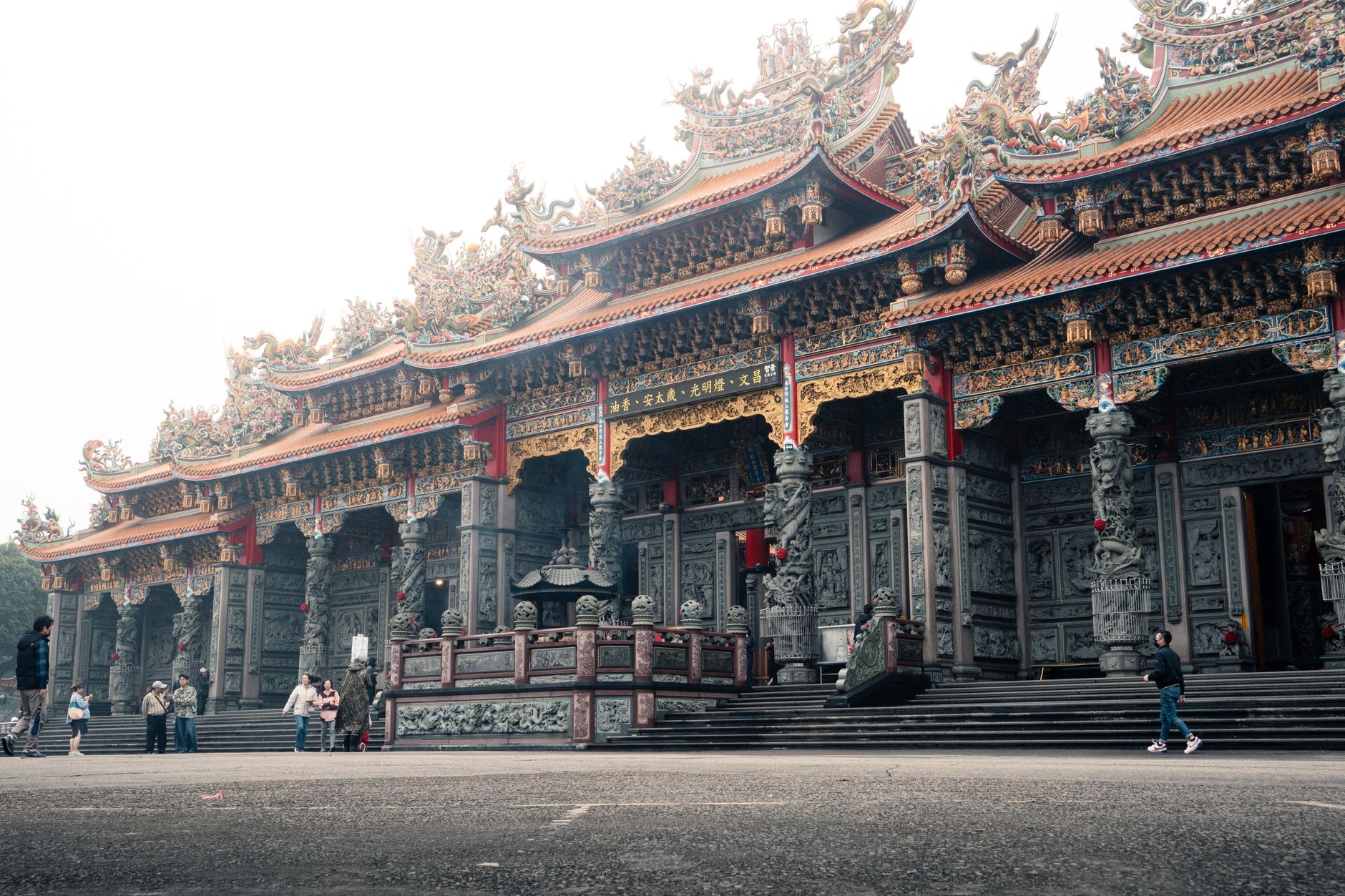
Taiwan offers several appeals for Indian travelers. The island nation combines natural beauty with modern infrastructure, from the dramatic Taroko Gorge and Sun Moon Lake to vibrant night markets and contemporary cities. Taiwan's reputation for safety, cleanliness, and hospitality aligns well with preferences of Indian families and first-time international travelers.
Additionally, Taiwan has been working to improve visa facilitation and develop India-friendly tourism infrastructure, including vegetarian food options and cultural familiarity training for tourism staff.
Benefits for Indian Travel Trade
For Indian travel agents and tour operators, the co-funded FAM model presents valuable opportunities despite the financial requirement. Participants gain firsthand knowledge of Taiwan's tourism products, which is essential for confidently selling packages to clients.
Direct experience with hotels, attractions, and logistics helps travel professionals design better itineraries and provide informed recommendations. The trips also facilitate networking with Taiwanese tourism suppliers, potentially leading to preferred rates and business partnerships.
Travel agents who complete FAM trips often receive marketing support materials, training certifications, and ongoing assistance from Taiwan's tourism representatives in India.
Industry Response and Implications
The co-funded approach reflects broader trends in tourism marketing. As destinations face tighter budgets and seek more qualified partners, shared-cost models help identify truly committed travel professionals while maintaining program quality.
This model may become more common across the tourism industry, particularly as destinations evaluate return on investment from their marketing activities. Travel trade professionals who demonstrate commitment through financial participation often deliver stronger sales results than those who attend purely complimentary programs.
For the Indian travel industry, adaptation to co-funded models requires viewing FAM trips as professional development investments rather than perks. Agencies serious about expanding their international portfolio recognize that specialized knowledge and supplier relationships justify the upfront costs.
Future of India-Taiwan Tourism Relations
Taiwan's strategic engagement with Indian travel trade comes amid increasing competition among Asian destinations for Indian tourist dollars. Countries like Vietnam, Thailand, and Japan have established strong positions in the Indian market, making Taiwan's focused approach essential for gaining market share.
The success of this co-funded model could influence how other destinations approach the Indian market. If Taiwan demonstrates that shared investment leads to stronger business partnerships and increased tourist arrivals, other tourism boards may adopt similar frameworks.
For Indian travelers, strengthened trade relationships typically translate to more tour options, competitive pricing, and better service quality as travel agents become more knowledgeable and confident about the destination.
The co-funded FAM model represents a maturing partnership where both sides invest in mutual success, potentially creating more sustainable and productive long-term relationships between Taiwan's tourism sector and India's travel trade professionals.