Tripura, one of India's eight northeastern states, continues its concerted effort to attract tourists from western India through a dedicated roadshow in Mumbai. The initiative underscores the state's determination to overcome geographical barriers and limited awareness that have historically kept visitor numbers below potential.
Why West India Matters for Tripura Tourism
Mumbai and the surrounding western region represent one of India's largest outbound tourism markets, with travelers from Maharashtra, Gujarat, and Goa consistently seeking new domestic destinations. For Tripura, tapping into this market offers significant growth potential, particularly among urban professionals looking for offbeat experiences beyond conventional tourist circuits.
The roadshow strategy allows tourism officials to directly engage with travel trade partners, tour operators, and potential visitors who might otherwise overlook northeastern destinations when planning domestic holidays. Face-to-face interactions help dispel misconceptions about accessibility, safety, and infrastructure while highlighting unique selling points that distinguish Tripura from mainstream destinations.
What Tripura Offers Travelers
Tripura's tourism portfolio blends natural beauty, cultural diversity, and historical significance. The state houses ancient temples, palaces, and archaeological sites that date back centuries, alongside contemporary attractions that appeal to modern travelers.
Key attractions include:
- Ujjayanta Palace, a former royal residence now serving as a state museum showcasing regional history and culture
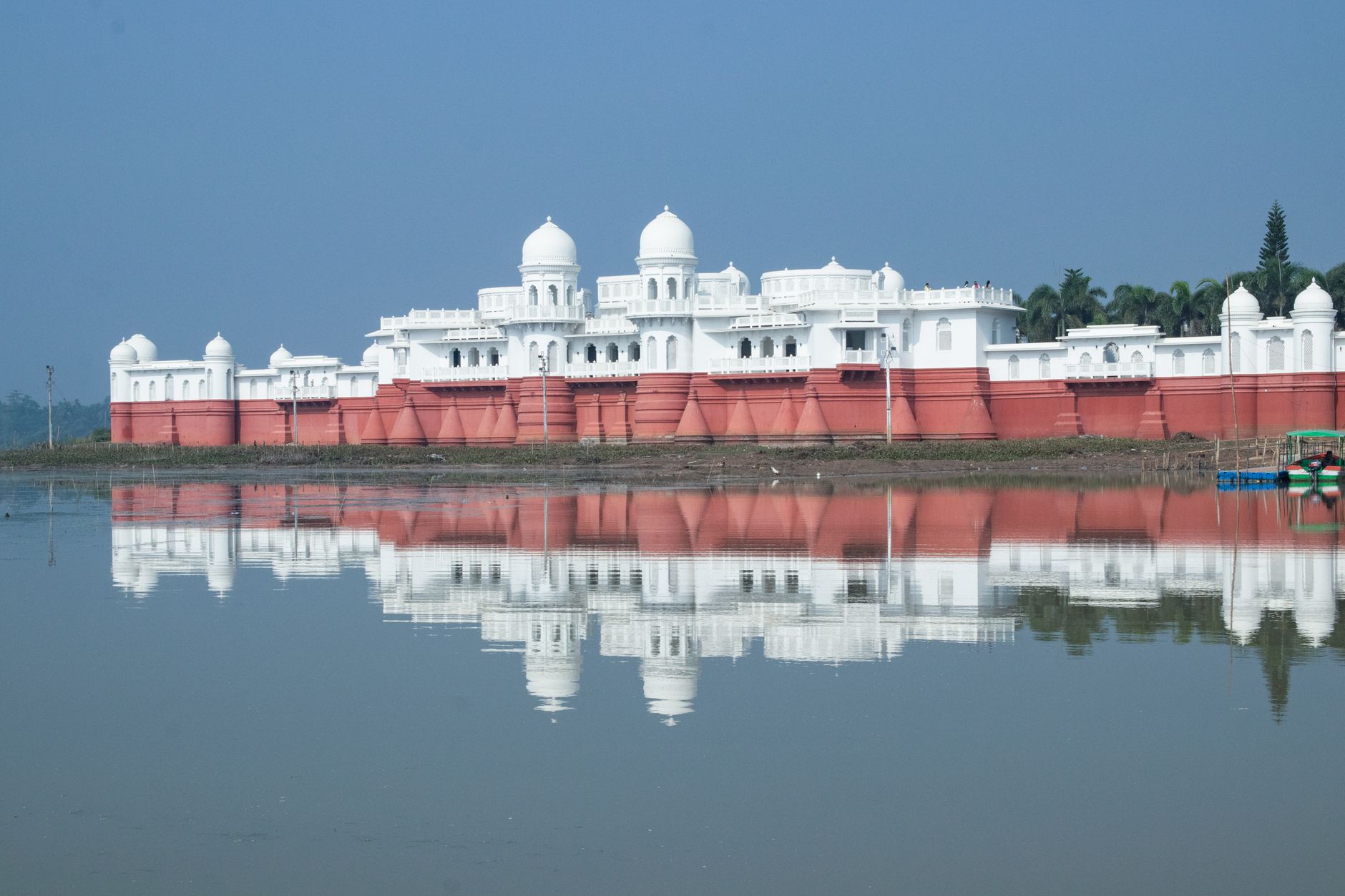
- Neermahal, a stunning water palace built in the middle of Rudrasagar Lake, combining Hindu and Mughal architectural elements
- Sepahijala Wildlife Sanctuary, home to diverse flora and fauna including spectacled monkeys and clouded leopards
- Unakoti, an ancient Shaivite pilgrimage site featuring massive rock-cut sculptures and stone images
- Pilak, an archaeological site revealing Buddhist-Hindu ruins dating from 8th-9th centuries
- Tribal villages offering authentic cultural experiences with indigenous communities
The state's compact size allows travelers to cover major attractions within a week-long itinerary, making it suitable for those with limited vacation time.
Addressing Connectivity Challenges
Historically, limited air connectivity has constrained Tripura's tourism growth. While Agartala, the capital city, has regular flights from major metros including Mumbai, Delhi, and Kolkata, frequency and routing options remain fewer compared to established tourist destinations.
Recent infrastructure improvements have enhanced accessibility. Road connectivity has improved significantly, making inter-state travel smoother. The state government has also invested in upgrading tourist facilities, accommodations, and information centers to meet expectations of travelers from urban centers.
The Northeastern Tourism Gap
Despite possessing considerable tourism potential, northeastern states collectively receive a fraction of domestic tourist arrivals compared to regions like Rajasthan, Kerala, or Goa. Several factors contribute to this disparity, including distance from major population centers, limited marketing budgets, and persistent stereotypes about the region.
Roadshows in western India form part of a broader strategy by northeastern states to bridge this awareness gap. By bringing their tourism products directly to potential markets, states like Tripura can showcase their offerings beyond glossy brochures and websites.
Economic Impact and Sustainable Development
Tourism development in Tripura carries economic significance beyond immediate revenue. The sector provides employment opportunities in hospitality, guiding, handicrafts, and transportation, particularly benefiting local communities in rural areas.
The state emphasizes sustainable tourism practices that preserve cultural heritage and natural resources. Community-based tourism initiatives involve local populations in decision-making and revenue sharing, ensuring tourism development benefits residents while maintaining authentic experiences for visitors.
Travel Trade Partnerships
Tourism roadshows primarily target travel trade professionals who package and sell destinations to end consumers. Building relationships with Mumbai-based tour operators, travel agents, and online travel platforms creates distribution channels that can generate sustained visitor flow beyond short-term promotional campaigns.
These partnerships also help craft appropriate tour packages that combine Tripura with neighboring northeastern states, creating multi-destination itineraries that maximize travel time and investment for visitors from distant markets.
Future Outlook
As domestic tourism rebounds and travelers increasingly seek unexplored destinations, Tripura stands positioned to capture growing market share. Success will depend on sustained marketing efforts, continued infrastructure improvements, and maintaining service quality standards expected by urban travelers.
The Mumbai roadshow represents one initiative in this ongoing journey, building bridges between India's commercial capital and its northeastern frontier, demonstrating that geographical distance need not translate into tourism isolation.