
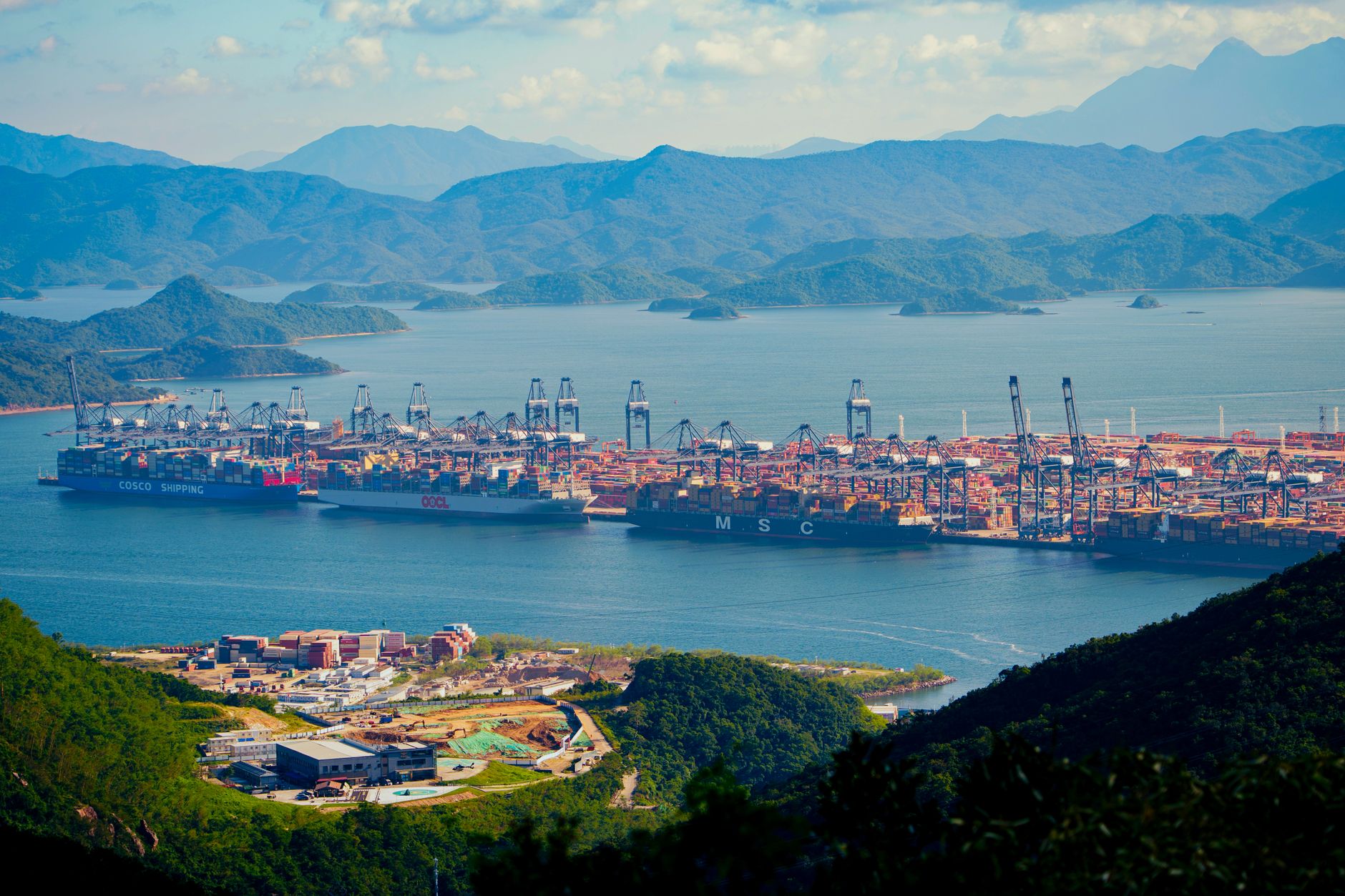
Mediterranean Shipping Company (MSC), the world's largest container shipping line, has expressed interest in acquiring a stake in India's Vizhinjam International Seaport in Kerala. This development marks a significant milestone for Indian port infrastructure and highlights the country's expanding role in global maritime logistics.
Understanding Vizhinjam Port's Strategic Importance
Vizhinjam Port represents one of India's most ambitious infrastructure projects, designed to be the country's first deep-water transhipment port. Located just 10 nautical miles from the international shipping route connecting Europe, the Persian Gulf, and the Far East, the port offers unparalleled geographic advantages.
The port's natural depth of over 20 meters allows it to accommodate the world's largest container vessels without requiring extensive dredging. This natural advantage reduces operational costs and makes it competitive with established regional hubs like Colombo, Singapore, and Dubai. Currently, nearly 75 percent of India's transhipment cargo is handled by foreign ports, costing the country valuable revenue and strategic control.
Why MSC Sees Value in Vizhinjam
For MSC, a stake in Vizhinjam represents multiple strategic advantages. The company operates over 700 vessels and handles approximately 22 million containers annually worldwide. Having a dedicated facility in India would strengthen its position in one of the world's fastest-growing economies.
India's container traffic has been growing at approximately 8-10 percent annually, driven by increasing trade volumes and manufacturing output. As global supply chains diversify beyond China, India is emerging as an alternative manufacturing destination. MSC's investment would secure access to this growing market while reducing dependence on congested ports.
The timing aligns with India's infrastructure push under various national development programs. The government has been actively encouraging private investment in port development, offering attractive concession agreements and regulatory support. MSC's involvement would bring world-class operational expertise, global connectivity, and financial resources to accelerate the port's development.
Economic Implications for India
MSC's potential investment carries significant economic implications beyond maritime trade. A fully operational transhipment hub at Vizhinjam could generate thousands of direct and indirect jobs, from port operations to logistics services and allied industries.
The port is expected to reduce logistics costs for Indian exporters and importers by eliminating the need to route cargo through foreign transhipment hubs. This efficiency gain could improve the competitiveness of Indian goods in global markets. Industries ranging from textiles to automotive components and pharmaceuticals stand to benefit from faster, more cost-effective shipping options.
Kerala's economy would receive a substantial boost through increased economic activity, tax revenues, and development of supporting infrastructure. The port's development is expected to catalyze growth in warehousing, cold storage facilities, and value-added services around the region.
Challenges and Considerations
The Vizhinjam project has faced several challenges, including delays in construction, cost overruns, and local resistance from fishing communities concerned about environmental impacts and livelihood disruption. MSC's entry could accelerate completion by providing financial muscle and operational certainty, but addressing community concerns remains essential.
Competition from established regional ports presents another challenge. Colombo Port has decades of operational experience and established shipping line relationships. Vizhinjam must offer compelling advantages in pricing, efficiency, and connectivity to attract vessel calls away from these established hubs.
Regulatory clarity and ease of doing business will be crucial factors in MSC's investment decision. The company will evaluate factors including cargo handling tariffs, customs efficiency, and the overall regulatory environment before committing substantial capital.
Looking Ahead
MSC's interest in Vizhinjam reflects growing confidence in India's infrastructure story and maritime potential. If the deal materializes, it could trigger similar investments from other global shipping majors, creating healthy competition and improving service quality across Indian ports.
The investment would also align with India's broader "Make in India" and self-reliance initiatives by strengthening domestic logistics capabilities. As global trade patterns evolve and supply chains reconfigure, having robust port infrastructure with world-class operators becomes increasingly vital for national competitiveness.
For investors and businesses, MSC's move signals that India's port sector offers attractive opportunities. The combination of growing trade volumes, supportive government policies, and strategic geographic positioning creates conditions for sustained growth in maritime infrastructure.
The coming months will reveal whether MSC's interest translates into concrete investment, but the very expression of interest underscores Vizhinjam's potential to reshape India's position in global maritime trade networks.