
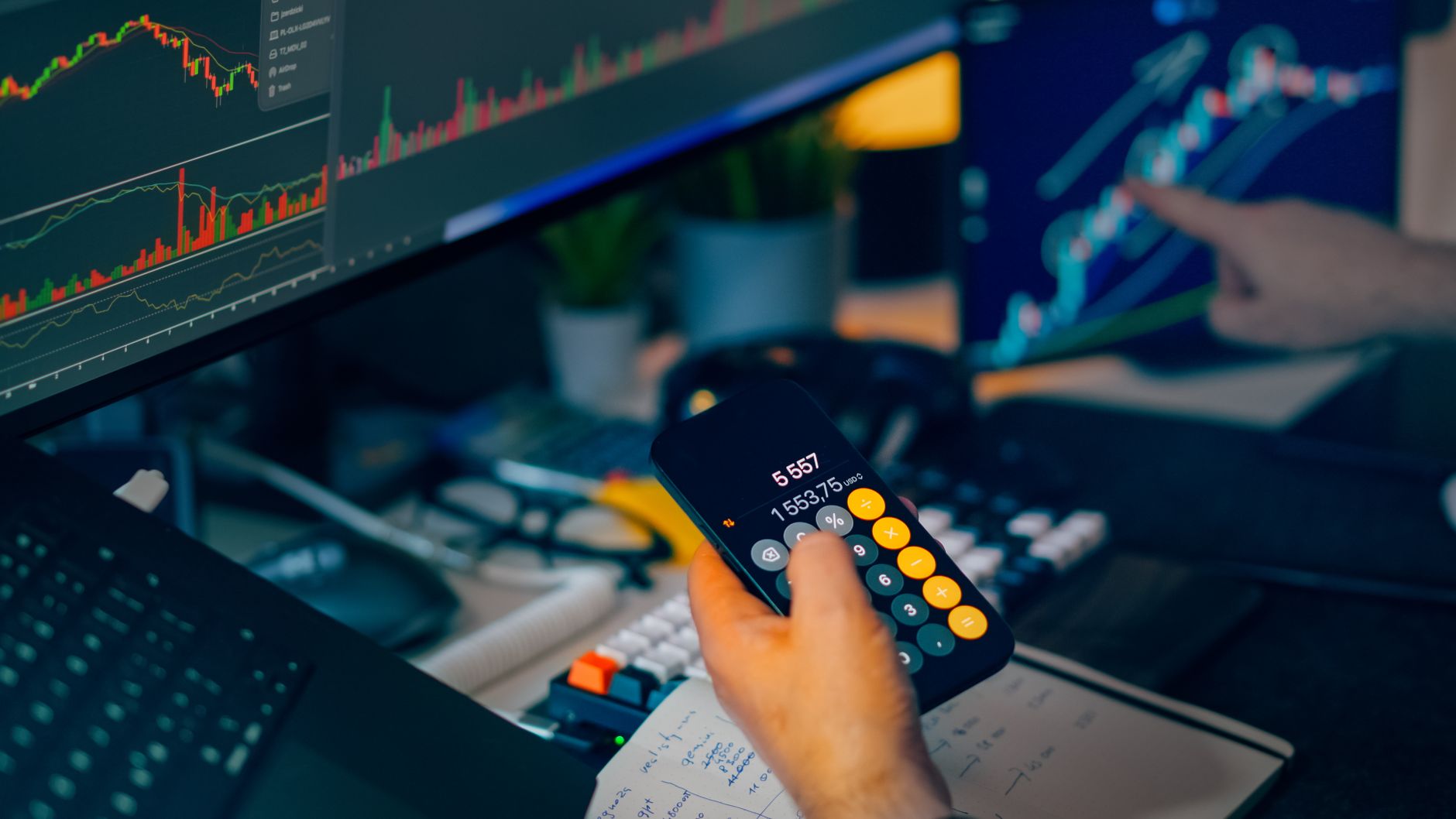
Short selling has long carried a controversial reputation in financial markets, often associated with market crashes and predatory trading tactics. However, this trading strategy—where investors borrow shares to sell them with the intention of buying them back later at a lower price—actually provides several benefits that can help everyday investors build wealth over time.
Understanding Short Selling Basics
Short selling occurs when an investor believes a stock is overvalued and will decline in price. They borrow shares from a broker, sell them at the current market price, and later buy them back (hopefully at a lower price) to return to the lender. The difference between the selling price and the buying price represents their profit or loss.
While this might sound like pure speculation, short sellers perform a valuable service by betting against companies they believe are overvalued or fundamentally flawed.
Enhanced Price Discovery
One of the primary benefits of short selling is improved price discovery—the process by which markets determine the fair value of securities. When only optimistic buyers participate in markets, prices can become artificially inflated, leading to bubbles that eventually burst and harm investors.
Short sellers provide a counterbalancing force by:
- Identifying overvalued companies and pushing their prices toward fair value
- Introducing skeptical analysis that challenges overly optimistic narratives
- Creating more realistic price levels that reflect both positive and negative information
- Helping prevent bubbles from inflating to dangerous levels
This two-sided market, with both bulls and bears, leads to more accurate pricing that benefits long-term investors who want to buy assets at reasonable valuations.
Increased Market Liquidity
Short sellers add liquidity to financial markets by increasing trading volume. When these traders sell borrowed shares, they create additional supply in the market, making it easier for other investors to buy or sell shares quickly without significant price impacts.
Higher liquidity benefits all market participants by:
- Reducing bid-ask spreads, which lowers transaction costs
- Enabling faster execution of trades at desired prices
- Decreasing volatility during normal market conditions
- Making it easier to enter or exit positions
For retail investors in India looking to build diversified portfolios, this enhanced liquidity means lower costs and more efficient markets overall.
Fraud Detection and Corporate Accountability
Short sellers often conduct intensive research to identify companies with questionable accounting practices, unsustainable business models, or fraudulent activities. Their financial incentive to uncover problems makes them effective watchdogs.
Historical examples globally have shown short sellers exposing corporate fraud before regulators or auditors caught wind of issues. By publishing detailed research reports and analysis, they bring important information to light that protects other investors from losses.
This scrutiny encourages:
- Better corporate governance and transparency
- More accurate financial reporting
- Higher standards of business conduct
- Earlier detection of potential frauds
Portfolio Hedging Opportunities
The existence of short selling creates derivative instruments like put options and inverse exchange-traded funds that allow investors to hedge their portfolios. Even investors who never short stocks themselves benefit from having access to these protective tools.
During market downturns, hedging instruments derived from short-selling mechanisms can help preserve capital and reduce portfolio volatility, making it easier for investors to stay invested through difficult periods.
Market Efficiency and Reduced Volatility
Paradoxically, while short sellers profit from price declines, their presence can actually reduce long-term volatility. By continuously challenging overvaluations, they prevent prices from reaching extreme levels that inevitably lead to sharp corrections.
Markets with restricted short selling often experience:
- Larger price bubbles
- More severe crashes when bubbles burst
- Greater long-term volatility
- Less efficient capital allocation
The Case for Regulated Short Selling
The key is maintaining appropriate regulations that prevent manipulative practices while allowing legitimate short selling. Most developed markets, including India, have rules governing short selling to prevent abuse while preserving its benefits.
These regulations typically include disclosure requirements, restrictions during extreme volatility, and penalties for naked short selling (selling shares without actually borrowing them).
Important Considerations
For individual investors, understanding that short sellers serve a market function doesn't mean you should engage in short selling yourself. It remains a high-risk strategy suitable primarily for sophisticated investors, as losses can theoretically be unlimited if a stock price rises indefinitely.
However, recognizing the role short sellers play in creating healthier, more efficient markets can help you become a more informed investor and appreciate the complex ecosystem that makes modern securities markets function effectively.
This article is for general informational purposes only and should not be construed as investment advice. Short selling involves significant risks and may not be suitable for all investors. Consult with a qualified financial advisor before making any investment decisions.