
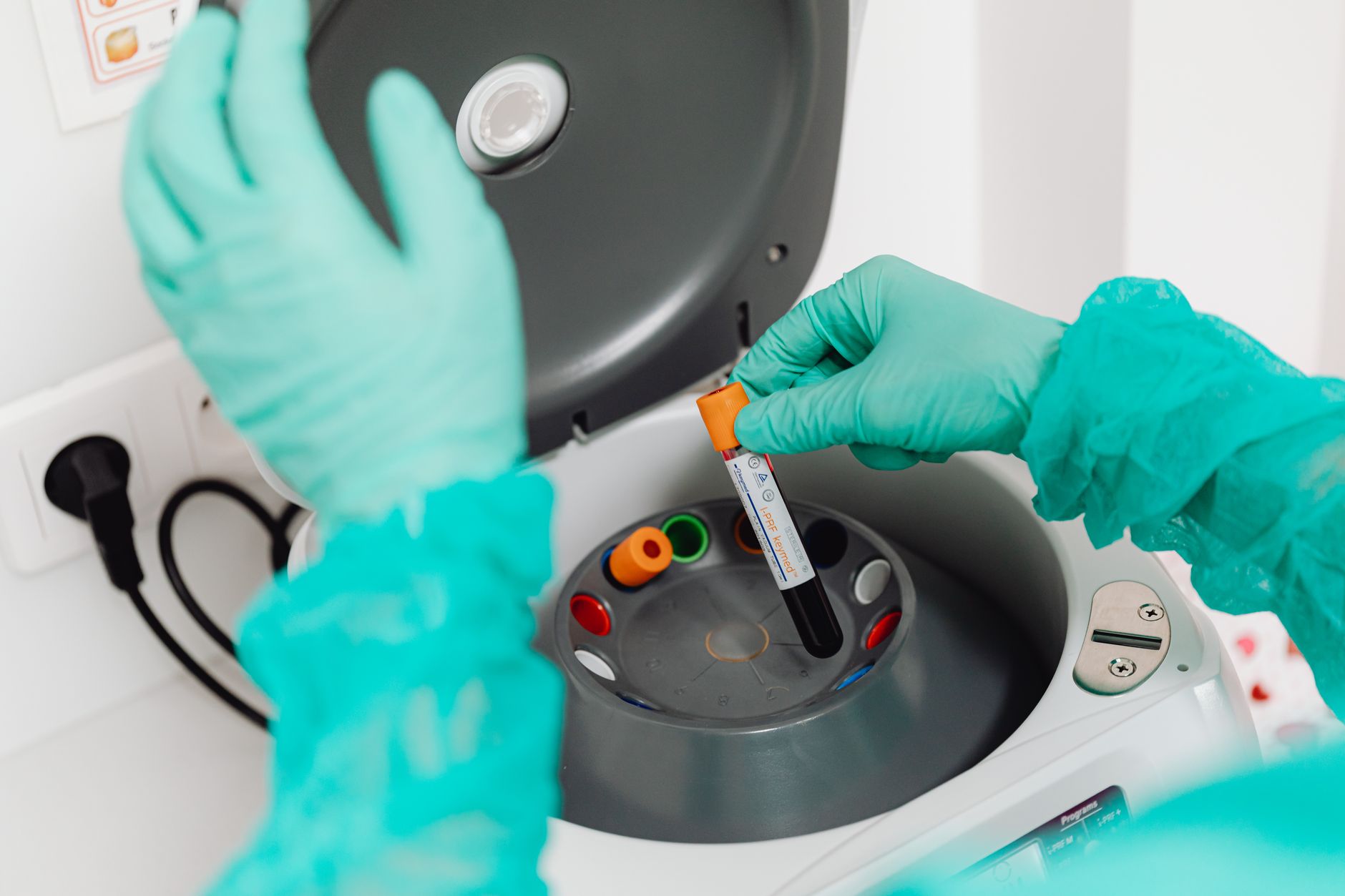
Cancer remains one of the leading causes of death in India, with late-stage detection being a major contributor to poor survival rates. The introduction of Guardant Health's multi-cancer detection blood test through Dr Dangs Lab represents a potentially transformative shift in how Indians can screen for cancer, moving from traditional imaging and invasive procedures to a simple blood draw.
What Are Multi-Cancer Detection Tests
Multi-cancer detection tests, often called liquid biopsies, work by analyzing fragments of DNA that tumors shed into the bloodstream. These circulating tumor DNA fragments carry specific genetic signatures that can indicate the presence of cancer, often before symptoms appear or tumors become visible on scans.
Unlike traditional screening methods that typically focus on one cancer type at a time, these blood-based tests can simultaneously screen for dozens of different cancers from a single blood sample. This approach is particularly valuable for cancers that lack effective early screening methods, such as pancreatic, ovarian, and esophageal cancers.
How the Technology Works
The test analyzes cell-free DNA in the blood plasma, looking for methylation patterns and other genetic alterations characteristic of cancer. When cells die, they release DNA into the bloodstream, and cancer cells have distinct genetic markers that differentiate them from healthy cells.
Advanced sequencing technology and artificial intelligence algorithms analyze these patterns to:
- Detect the presence of cancer signals
- Identify the tissue or organ where the cancer likely originated
- Provide results that can guide further diagnostic testing
Significance for Indian Healthcare
India faces a growing cancer burden, with approximately 1.4 million new cancer cases diagnosed annually. Several factors make this development particularly relevant for the Indian context.
Early detection remains the single most important factor in cancer survival rates. Many cancers diagnosed in India are detected at advanced stages when treatment options are limited and less effective. A blood test that can detect cancer signals early could significantly improve outcomes.
Access to comprehensive cancer screening has been limited, especially in tier-2 and tier-3 cities. While metropolitan areas have advanced diagnostic facilities, much of India lacks infrastructure for regular cancer screening. A blood-based test requires less specialized infrastructure than CT scans or endoscopy procedures, potentially improving accessibility.
The test may prove cost-effective in the long run despite initial expenses. Treating advanced-stage cancer is significantly more expensive than early-stage treatment, and the human and economic costs of late detection are substantial.
Understanding the Limitations
While this technology represents a significant advancement, it's important to understand its current limitations and proper use.
These tests are designed as screening tools, not diagnostic tools. A positive result requires confirmation through additional testing, imaging, or biopsy. They complement rather than replace existing screening methods for cancers with established protocols, such as mammography for breast cancer or colonoscopy for colorectal cancer.
The tests work best as part of a comprehensive screening strategy, particularly for individuals at higher risk due to age, family history, or other factors. They are not intended to replace doctor consultations or regular health check-ups.
The Global Context
Guardant Health is among several companies developing multi-cancer early detection tests. Similar technologies from companies like Grail and Exact Sciences have been generating significant interest in the medical community worldwide. Clinical studies have shown varying sensitivity levels depending on cancer type and stage, with generally better detection rates for later-stage cancers.
The US Food and Drug Administration has been evaluating these tests, and their availability in various markets continues to expand. The introduction in India through established laboratory networks like Dr Dangs Lab reflects the globalization of advanced diagnostic technology.
What This Means for Patients
For individuals considering this test, consultation with healthcare providers is essential. Doctors can help determine whether the test is appropriate based on age, risk factors, and existing screening protocols. The test may be particularly valuable for those with strong family histories of cancer or genetic predispositions.
Results should always be interpreted by qualified medical professionals who can place findings in the context of overall health status and recommend appropriate follow-up actions.
This article provides general information about medical screening technology and should not be considered medical advice. Individuals should consult qualified healthcare professionals to discuss appropriate cancer screening strategies based on their personal health history, risk factors, and medical needs.