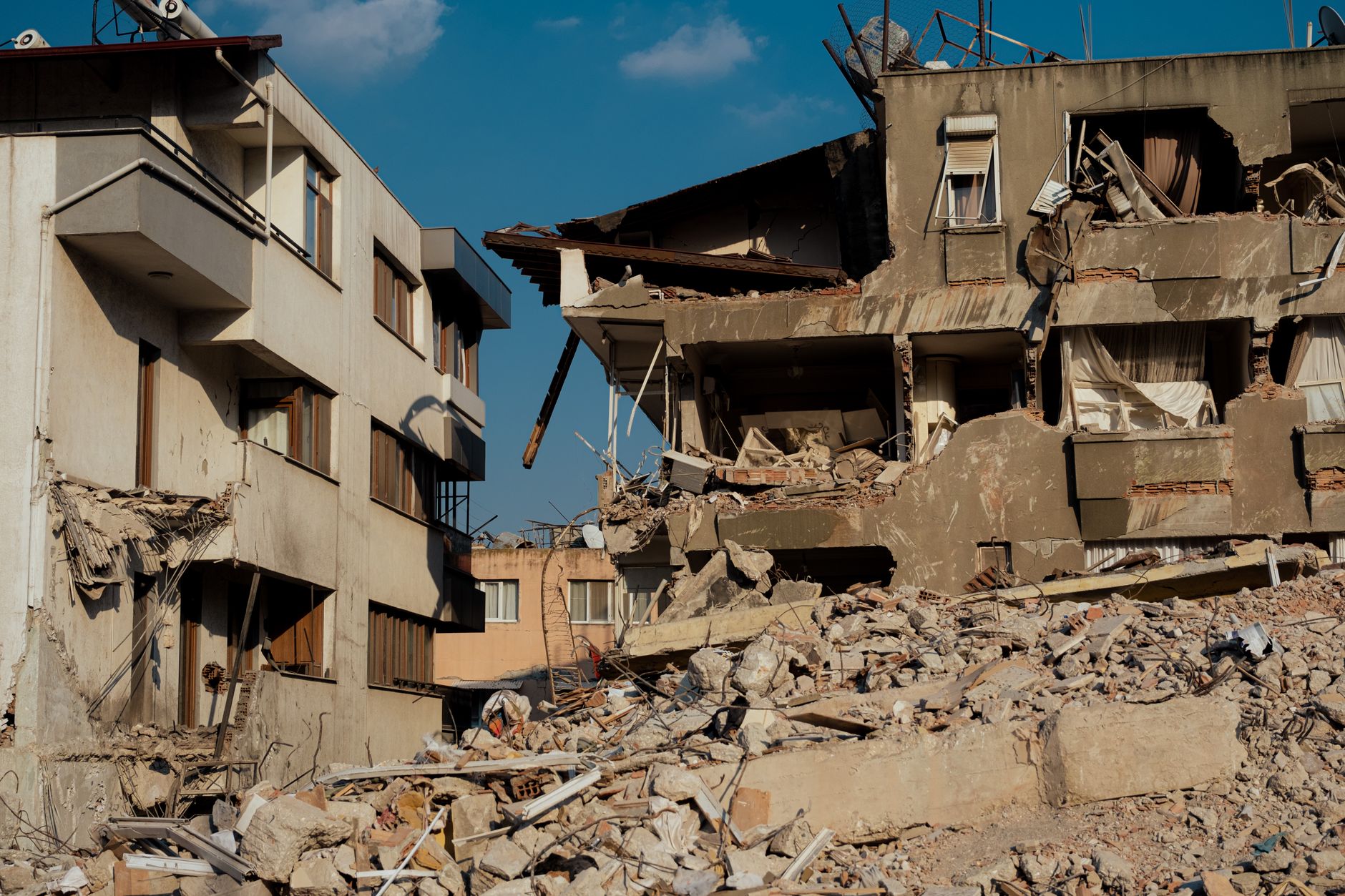
When earthquakes strike, the immediate danger of collapsing structures dominates headlines. However, the health crisis that unfolds in the days and weeks following a major seismic event can be equally devastating, affecting thousands of survivors who must navigate a landscape transformed into a hazardous environment.
The Hidden Threats of Post-Earthquake Environments
The aftermath of significant earthquakes creates a perfect storm of health hazards that extend far beyond visible injuries. Dust clouds from collapsed buildings, compromised water systems, and scattered debris create conditions ripe for both immediate and long-term health complications.
Airborne particulate matter becomes one of the most pervasive threats. When buildings collapse, they release enormous quantities of fine dust containing concrete particles, asbestos from older structures, silica, and other harmful materials. This dust settles on surfaces, contaminates food supplies, and remains suspended in the air for extended periods, particularly in areas with limited rainfall or wind dispersal.
Respiratory Complications and Dust Exposure
Prolonged exposure to earthquake-generated dust poses serious respiratory risks. The fine particles can penetrate deep into lung tissue, causing both acute and chronic conditions. Survivors and rescue workers frequently report symptoms including persistent coughing, wheezing, shortness of breath, and chest tightness.
Individuals with pre-existing respiratory conditions such as asthma or chronic obstructive pulmonary disease face heightened vulnerability. Children and elderly populations are particularly susceptible due to their developing or compromised immune systems. Without adequate protective equipment like N95 masks, even healthy individuals can develop respiratory inflammation that may persist for months.
Water Contamination and Waterborne Diseases
Earthquakes routinely damage water infrastructure, creating multiple pathways for contamination. Broken sewage lines can mix with drinking water supplies, while flooding from damaged water mains spreads contamination across affected areas. Stagnant water pools in debris fields become breeding grounds for disease-carrying insects.
The risks of waterborne diseases escalate dramatically in post-earthquake settings. Cholera, typhoid fever, hepatitis A, and various gastrointestinal infections spread rapidly when clean water becomes scarce. Survivors may resort to using contaminated sources for drinking, cooking, and hygiene, accelerating disease transmission.
Dehydration becomes a secondary concern as people avoid drinking questionable water. This creates a dangerous cycle where weakened immune systems become more vulnerable to other health threats present in the environment.
Debris-Related Injuries and Infections
The physical landscape following earthquakes resembles an obstacle course of sharp metal, broken glass, exposed nails, and unstable structures. Cuts, puncture wounds, and crush injuries are common as people navigate through rubble to salvage belongings or search for missing persons.
These injuries carry significant infection risks. Tetanus becomes a major concern, particularly in regions where vaccination rates may be inadequate. Wound infections can develop rapidly in environments where proper medical care and antiseptics are unavailable. Even minor cuts can escalate into serious complications without proper treatment.
Vector-Borne Disease Risks
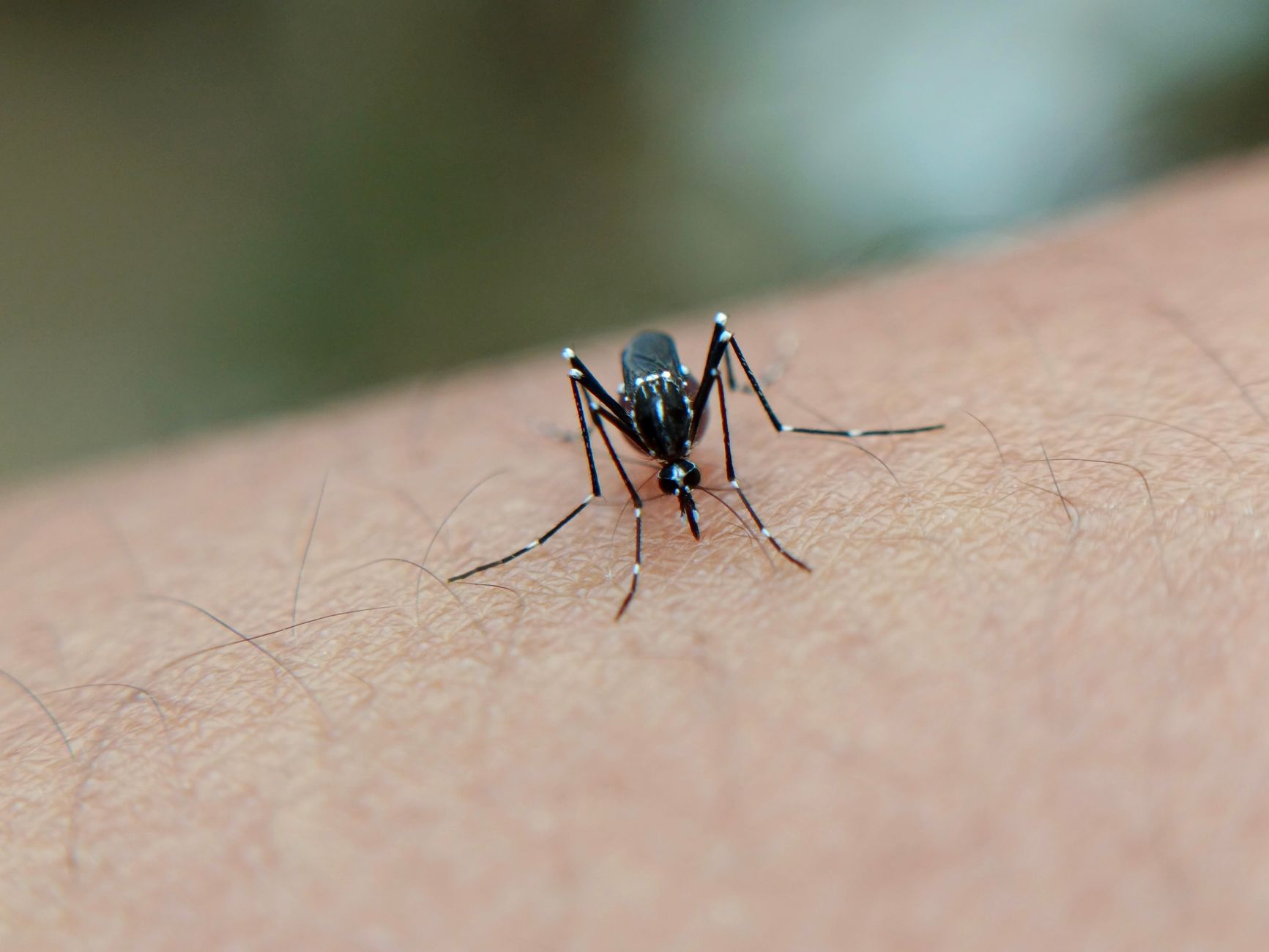
Disrupted sanitation systems and accumulated debris create ideal breeding conditions for disease-carrying vectors. Mosquitoes multiply in standing water, increasing malaria and dengue fever risks in vulnerable regions. Rats and other rodents thrive in debris piles, potentially spreading leptospirosis and hantavirus.
Mental Health Dimensions
The psychological toll of navigating hazardous post-earthquake environments compounds physical health risks. Chronic stress, trauma, and anxiety can weaken immune function, making survivors more susceptible to infections and slower to recover from injuries. Sleep deprivation in unsafe temporary shelters further compromises health resilience.
Prevention and Protection Measures
Effective post-earthquake health crisis management requires coordinated efforts across multiple fronts. Essential protective measures include distributing respiratory protection equipment, establishing water purification systems, implementing organized debris removal, providing tetanus vaccinations and wound care facilities, and creating vector control programs.
International health organizations emphasize the critical importance of the first two weeks following major earthquakes. This window determines whether manageable health challenges escalate into full-scale epidemics.
Communities in earthquake-prone regions benefit from preparedness planning that includes stockpiling medical supplies, training emergency responders in post-disaster health protocols, and establishing rapid-response water testing and purification systems.
This article provides general information about post-earthquake health risks and is not a substitute for professional medical advice. Individuals in disaster-affected areas should follow guidance from local health authorities and seek appropriate medical care for any health concerns.