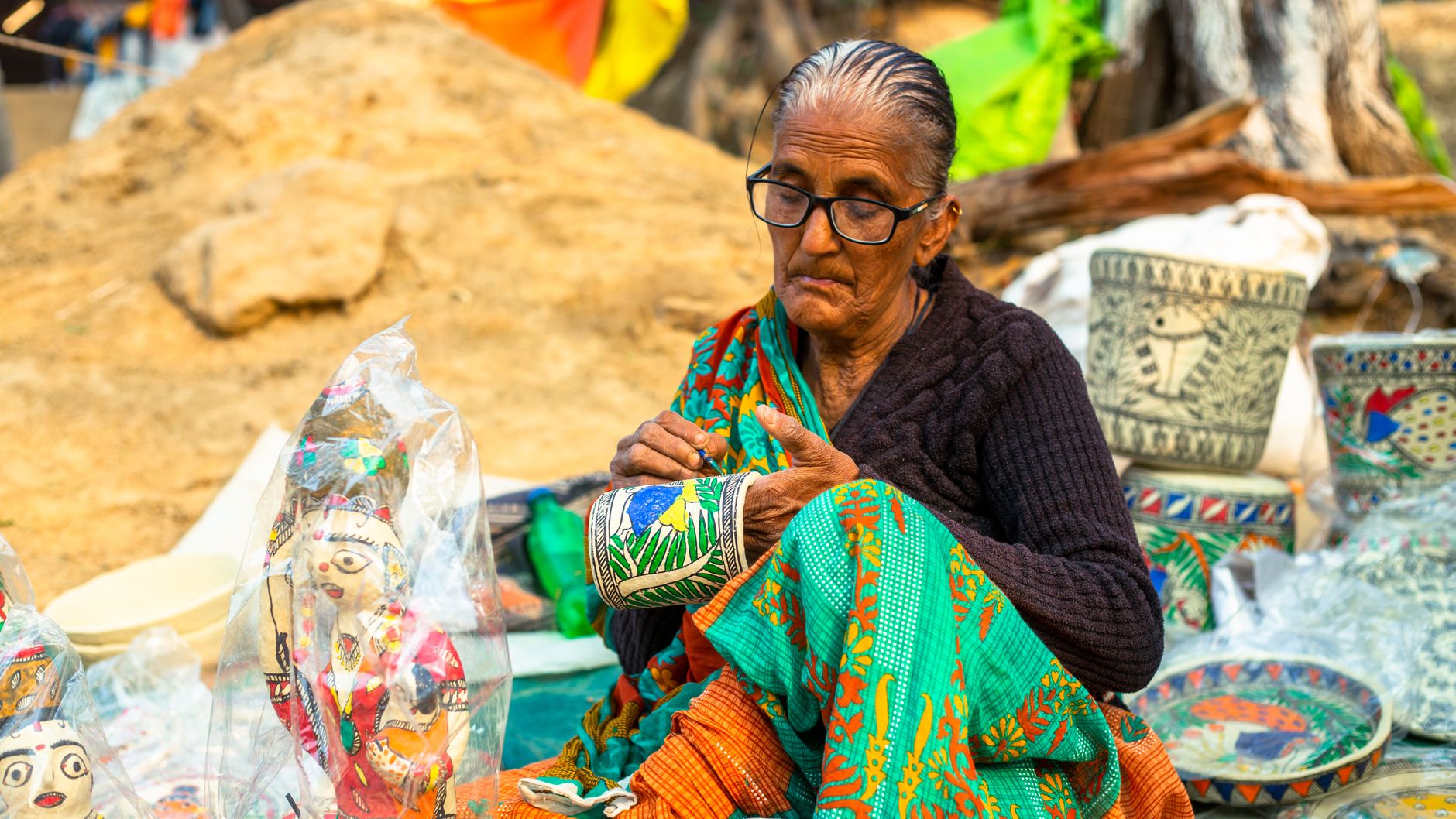
India has achieved a remarkable milestone in public health: women are now living longer than at any point in the nation's history. Life expectancy for Indian women has risen to approximately 72 years, compared to around 69 years for men. However, this demographic triumph masks a troubling reality that demands urgent attention from policymakers, healthcare providers, and society at large.
The Paradox of Longevity Without Health
The core issue is that increased lifespan has not been accompanied by proportional improvements in healthspan—the period of life spent in good health. Indian women are spending their additional years burdened by chronic diseases, functional disabilities, and often inadequate care. Studies indicate that women over 60 in India experience higher rates of arthritis, osteoporosis, diabetes, cardiovascular disease, and mental health conditions compared to their male counterparts.
This phenomenon is not unique to India but is particularly pronounced here due to systemic healthcare gaps and deeply entrenched social inequalities. Women often reach their senior years after decades of nutritional deficiency, repeated pregnancies without adequate medical support, and limited access to preventive healthcare.
The Neglected Health Needs of Women
Throughout their lives, many Indian women prioritize family health over their own. Cultural norms and economic constraints mean women frequently skip meals, ignore symptoms, and delay seeking medical care. This pattern of self-neglect accumulates over decades, manifesting as multiple chronic conditions in later life.
Additionally, women are significantly more likely than men to suffer from osteoporosis and bone density issues, partly due to calcium deficiency and the physical toll of multiple pregnancies. Yet screening for such conditions remains inadequate, particularly in rural areas where the majority of India's population resides.
Economic Vulnerability in Old Age
Financial insecurity compounds the health challenges facing older women. Many Indian women have limited pension coverage, having spent their lives in unpaid domestic work or informal employment without social security benefits. Widowhood further exacerbates this vulnerability, as women lose household income and may face property disputes or social marginalization.
The lack of economic independence means elderly women often depend on family support for medical expenses. When families face financial strain, women's healthcare needs may be deprioritized, leading to untreated conditions and preventable suffering.
The Caregiver's Burden
Ironically, while women live longer, they also spend more of their lives as caregivers for aging spouses, grandchildren, or other family members. This dual burden of managing their own declining health while caring for others takes a significant toll. Unlike men, who are more likely to receive care from spouses in old age, widowed or unmarried women often face isolation and inadequate support.
The mental health implications are substantial. Depression, anxiety, and loneliness are alarmingly common among elderly Indian women, yet mental health services remain scarce and stigmatized.
Healthcare System Gaps
India's healthcare infrastructure is inadequately equipped to address the specific needs of an aging female population. Geriatric care specialists are in short supply, and many healthcare providers lack training in gender-specific health issues affecting older women.
- Screening programs for osteoporosis, breast cancer, and cervical cancer are inconsistently implemented
- Menopause-related health concerns receive insufficient attention
- Palliative care services are virtually non-existent in many regions
- Affordable assistive devices and mobility aids are often unavailable
The Path Forward
Addressing this crisis requires comprehensive policy interventions and societal shifts. Expanding pension coverage to include homemakers, strengthening primary healthcare with a focus on preventive care for women, and establishing community-based support systems for elderly women are essential steps.
Healthcare providers must adopt a life-course approach, ensuring women receive adequate nutrition, maternal care, and preventive services throughout their lives. Public awareness campaigns should challenge cultural norms that encourage women to neglect their health.
Furthermore, investment in geriatric care infrastructure, training programs for caregivers, and mental health services specifically designed for elderly women cannot be delayed.
The increasing life expectancy of Indian women should indeed be celebrated, but only if those additional years are lived with dignity, health, and adequate support. Without urgent action, this demographic milestone will remain a hollow achievement, representing merely more years of suffering rather than a true enhancement of well-being.
This article is intended for general informational purposes only and should not be considered medical advice. Readers should consult qualified healthcare professionals for personal health concerns.