India has taken a significant step forward in combating dengue fever with the approval of QDENGA, a vaccine developed by Takeda Pharmaceutical Company. This marks only the second dengue vaccine to receive regulatory clearance in the country and represents a new approach to preventing a disease that has long plagued tropical and subtropical regions.
Understanding the Dengue Challenge in India
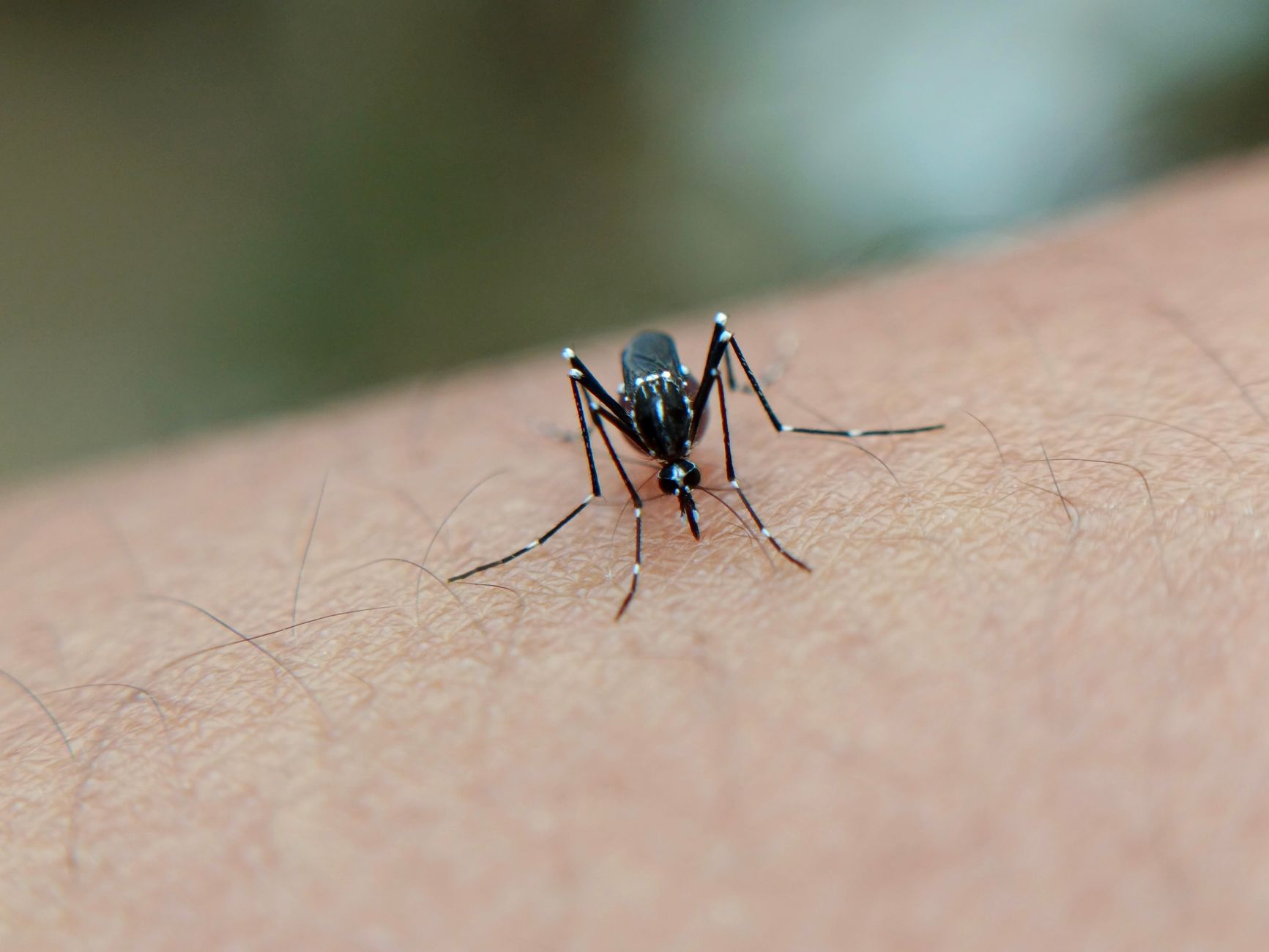
Dengue fever remains one of India's most pressing public health concerns. The mosquito-borne viral infection affects hundreds of thousands of people each year, with cases typically surging during monsoon season when Aedes mosquitoes breed prolifically in standing water. The disease can range from mild fever to severe dengue, which may cause bleeding, organ failure, and even death.
Traditional prevention methods have focused primarily on mosquito control through insecticides, elimination of breeding sites, and public awareness campaigns. While these measures remain important, they have proven insufficient to stem the rising tide of dengue cases in urban and semi-urban areas where mosquito eradication is particularly challenging.
What Makes QDENGA Different
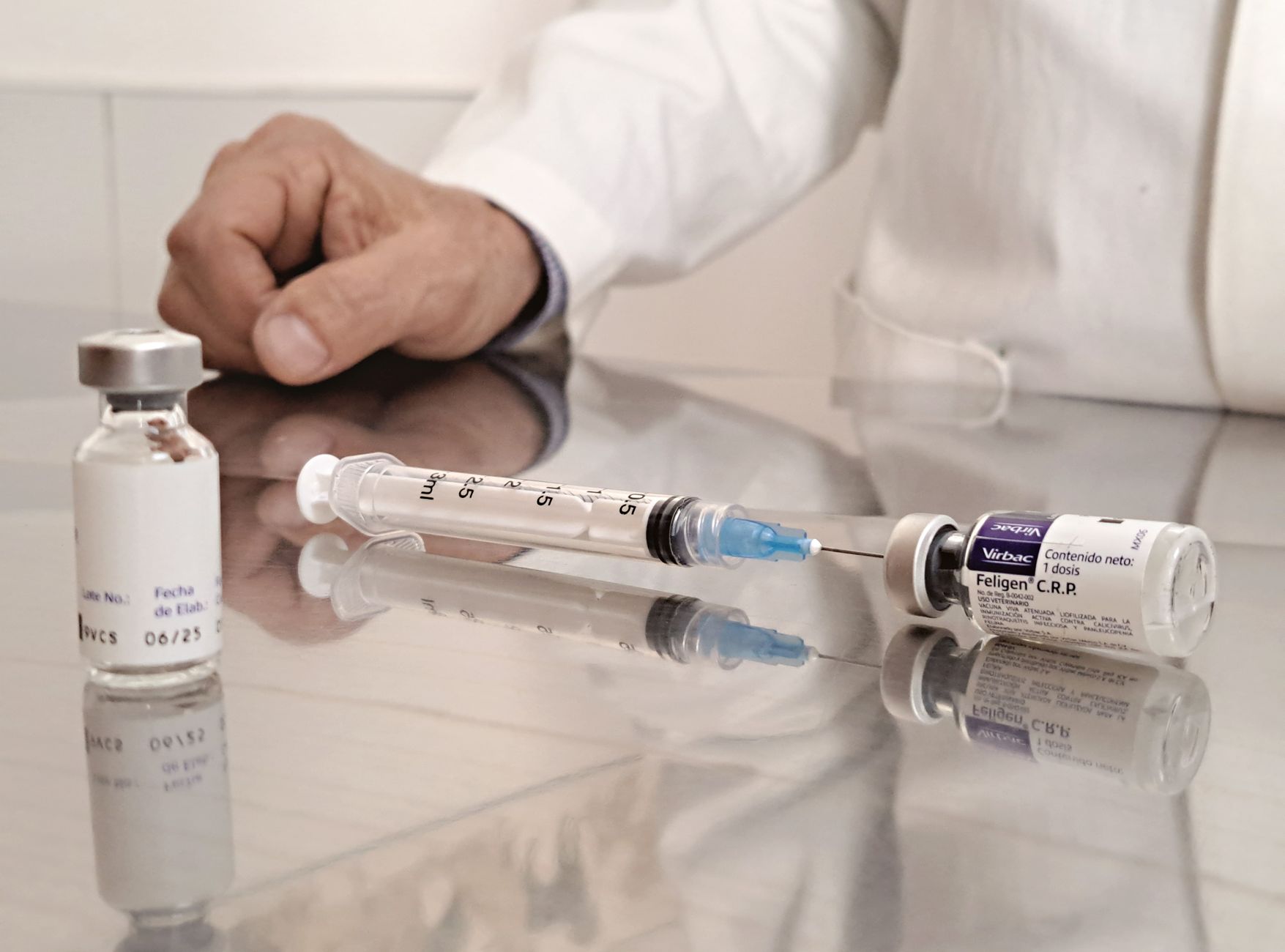
QDENGA is a live-attenuated vaccine, meaning it contains weakened forms of the dengue virus that cannot cause disease but can stimulate immune responses. What distinguishes this vaccine is its ability to protect against all four serotypes of dengue virus—DEN-1, DEN-2, DEN-3, and DEN-4.
This comprehensive coverage is crucial because infection with one serotype does not provide immunity against the others. In fact, subsequent infections with different serotypes can lead to more severe disease manifestations, a phenomenon that has complicated vaccine development for decades.
The vaccine is administered in two doses, given three months apart, and has been approved for use in individuals aged four to 60 years. Clinical trials have demonstrated its effectiveness in reducing dengue cases and hospitalizations across diverse populations in dengue-endemic regions.
Implications for Public Health Strategy
The approval of QDENGA opens new possibilities for India's dengue prevention strategy. Health authorities can now consider targeted vaccination programs in high-burden areas, potentially reducing the strain on healthcare systems during peak transmission seasons.
Schools, communities, and urban centers with documented dengue outbreaks could be prioritized for vaccination campaigns. This proactive approach differs markedly from the reactive measures that have dominated dengue control efforts, which typically intensify only after cases begin to rise.
However, experts emphasize that vaccination should complement, not replace, existing mosquito control measures. Integrated vector management, improved urban planning to eliminate mosquito breeding sites, and community education remain essential components of comprehensive dengue prevention.
Challenges and Considerations
Despite this breakthrough, several challenges lie ahead. The vaccine's cost and accessibility will determine its real-world impact. If pricing makes it available primarily through private healthcare, its public health benefit may be limited, as dengue disproportionately affects lower-income urban communities.
Storage and distribution requirements for a live-attenuated vaccine also present logistical hurdles, particularly in rural areas with limited cold chain infrastructure. State and central health departments will need to develop robust systems to ensure vaccine potency is maintained from manufacturer to patient.
Additionally, public acceptance of a new vaccine will require sustained education efforts. Healthcare providers will play a crucial role in counseling patients about the vaccine's benefits and appropriate timing for administration.
Looking Ahead
The QDENGA approval represents a turning point in India's fight against dengue, offering hope for reducing the burden of a disease that has resisted control for generations. As implementation strategies take shape, health authorities will need to balance ambition with pragmatism, ensuring that vaccination reaches those who need it most.
Success will ultimately depend on integrating this new tool into a comprehensive public health approach that addresses both mosquito control and human immunity. With dengue's geographic range expanding due to climate change and urbanization, the timing of this approval could not be more critical.
This article is for general information purposes only and does not constitute medical advice. Individuals should consult qualified healthcare professionals for personalized guidance on vaccination and dengue prevention appropriate to their specific circumstances and health conditions.