Female genital mutilation (FGM) encompasses procedures that intentionally alter or injure female genital organs for non-medical reasons. Recognized internationally as a violation of human rights, this practice persists in various communities across the world, affecting millions of girls and women despite decades of advocacy for its elimination.
What Constitutes FGM
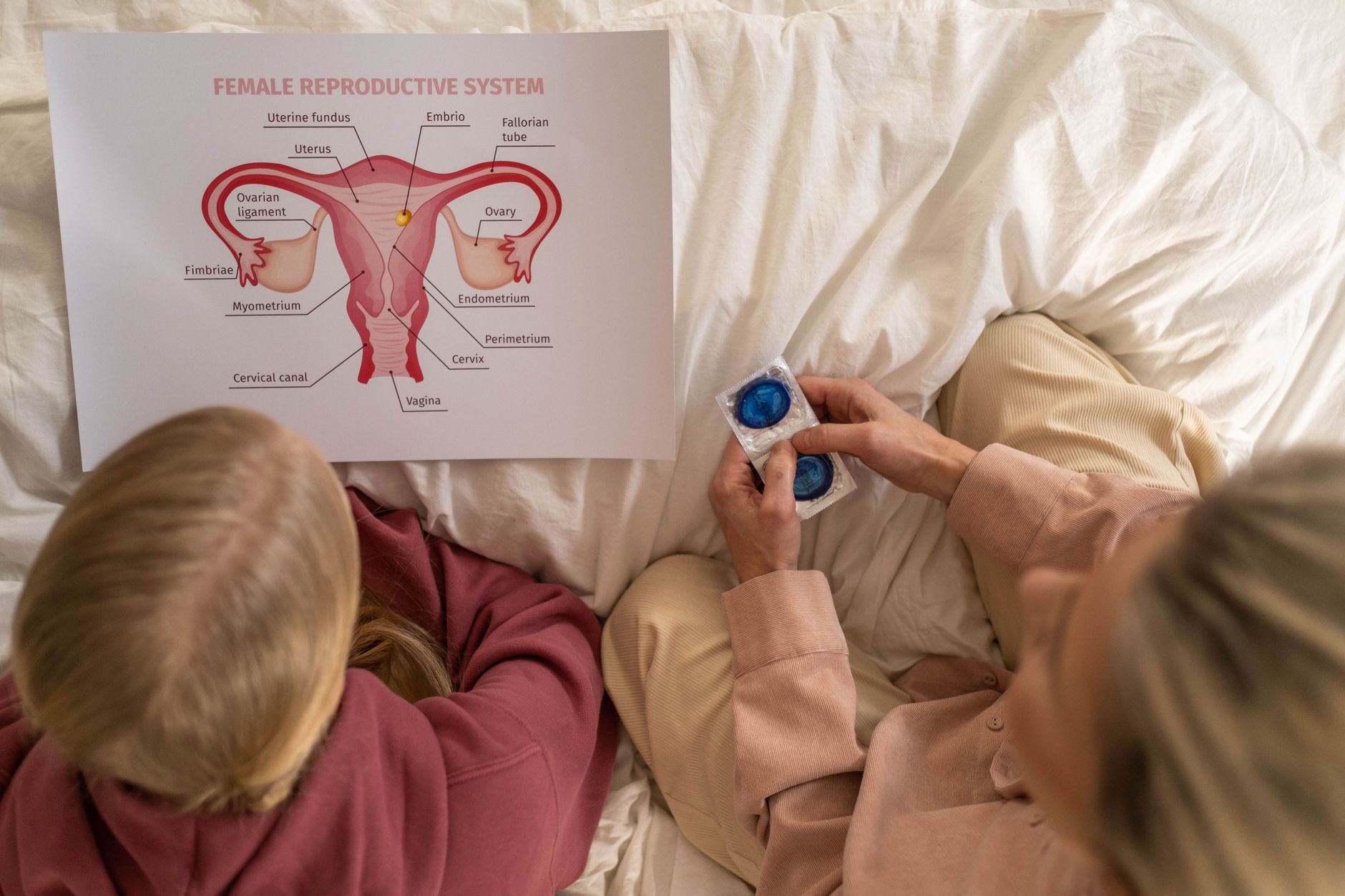
The World Health Organization classifies FGM into four main types, ranging from partial or total removal of the clitoris to the complete narrowing of the vaginal opening. These procedures are typically performed on girls between infancy and age 15, though the age varies by community and region. The procedures offer no health benefits and remove or damage healthy genital tissue, interfering with natural bodily functions.
Geographic and Cultural Context
While FGM is practiced in communities across 30 countries, it concentrates primarily in parts of Africa, the Middle East, and Asia. The practice also occurs among migrant populations in other regions, including parts of Europe, North America, and Australia. Cultural beliefs, rather than religious mandates, primarily drive the continuation of FGM, though practitioners sometimes incorrectly associate it with religious requirements.
Communities maintain the practice for various reasons including social acceptance, marriageability, preservation of virginity, cleanliness, and enhanced fertility. In societies where FGM is prevalent, social pressure to conform can be intense, with families fearing that uncircumcised daughters will face rejection, ridicule, or exclusion from marriage prospects.
Health Consequences
The immediate health risks of FGM include severe pain, excessive bleeding, infections, shock, and in extreme cases, death. Many procedures occur without anesthesia and in unsanitary conditions using non-sterile instruments, compounding these risks.
Long-term complications persist throughout a woman's life and include chronic pain, recurring infections, difficulty urinating, cyst formation, sexual dysfunction, and psychological trauma. During childbirth, women who have undergone FGM face increased risks of complications, including difficult delivery, excessive bleeding, and higher infant mortality rates. The psychological impact manifests through depression, anxiety, post-traumatic stress disorder, and diminished self-esteem.
The Indian Context
While India is not among the countries with the highest prevalence, FGM exists within certain communities, notably among some Dawoodi Bohra populations. The practice, locally called khatna or khafz, typically involves Type I FGM performed on young girls. Activists within these communities have increasingly spoken out against the practice, leading to legal challenges and public discourse.
Indian law does not explicitly criminalize FGM, though activists have argued that existing laws regarding child abuse and grievous hurt should apply. The Protection of Children from Sexual Offences Act and provisions of the Indian Penal Code potentially cover such cases, but enforcement remains inconsistent. Various petitions have been filed in Indian courts seeking explicit prohibition of the practice.
Global Efforts and Progress
International organizations, governments, and grassroots activists have made significant strides toward eliminating FGM. The United Nations designated February 6 as the International Day of Zero Tolerance for Female Genital Mutilation, highlighting global commitment to ending the practice.
Education programs targeting communities, religious leaders, healthcare providers, and traditional practitioners have proven effective in changing attitudes. When communities understand that FGM has no religious basis and causes serious harm, many choose to abandon it. Providing alternative rites of passage that celebrate girls without harming them has also gained traction.
Moving Forward
Eliminating FGM requires multi-faceted approaches that respect cultural sensitivities while firmly opposing harmful practices. Legislation alone cannot solve the problem; sustainable change requires community engagement, education, economic empowerment of women, and addressing the underlying social norms that perpetuate the practice.
Healthcare providers play a crucial role in identifying cases, providing appropriate medical and psychological care to survivors, and educating communities about health consequences. Supporting survivors with comprehensive medical, psychological, and legal services remains essential.
The testimonies of survivors who speak publicly about their experiences have proven powerful in shifting perspectives. When communities hear from their own members about the pain and complications they have endured, it often catalyzes collective reconsideration of traditional practices.
This article is for general informational purposes only and does not constitute medical or legal advice. If you or someone you know requires medical attention related to FGM, please consult qualified healthcare professionals. For legal guidance regarding FGM in your jurisdiction, seek advice from qualified legal experts.