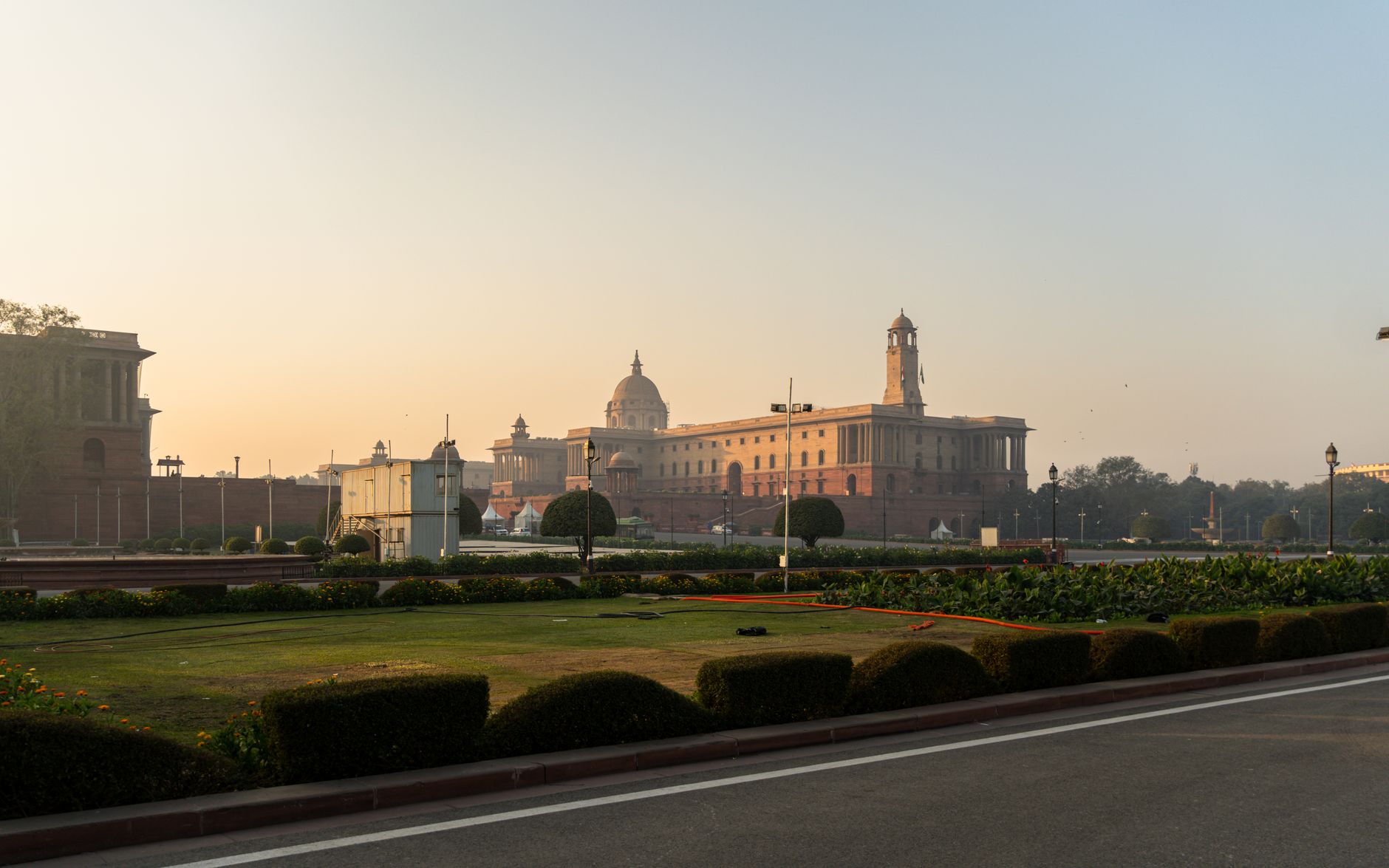
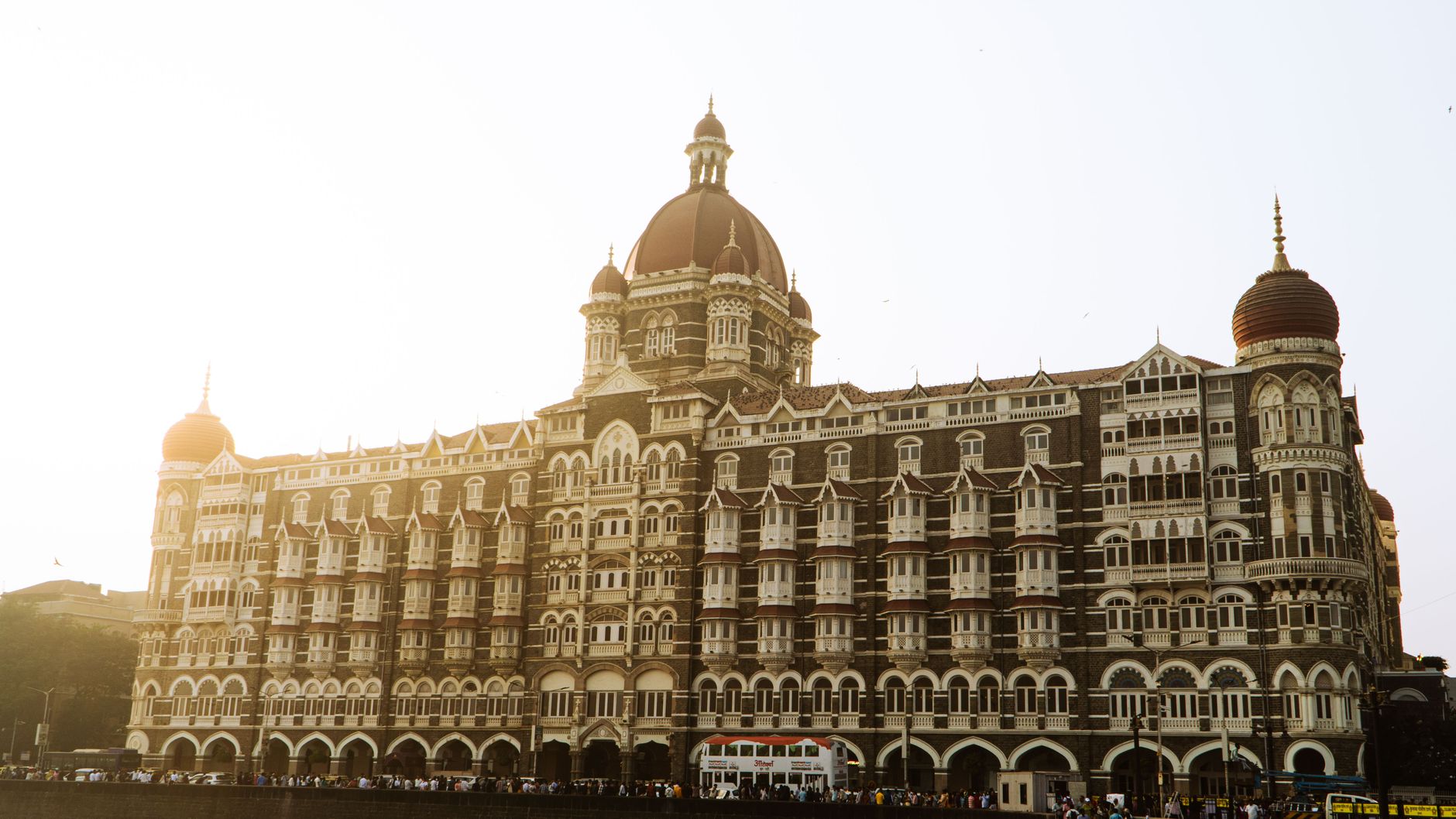
The Indian hotel industry is experiencing a seismic shift driven by an unexpected catalyst: the domestic traveller. For decades, international tourists and business travellers dominated the strategic priorities of major hotel chains. Today, that narrative has fundamentally changed, with Indian holidaymakers emerging as the primary growth driver reshaping everything from property locations to amenity packages.
The Rise of the Indian Traveller
The post-pandemic travel landscape has witnessed an extraordinary surge in domestic tourism. Millions of Indians who previously looked abroad for vacations are now exploring their own country with renewed enthusiasm. This shift stems from multiple factors: improved connectivity through better roads and expanded flight networks, rising disposable incomes among middle-class families, increased awareness of domestic destinations through social media, and a growing preference for experiential travel over material possessions.
Weekend getaways have become a regular feature rather than an occasional luxury. Cities like Udaipur, Rishikesh, Coorg, and Goa are seeing consistent year-round occupancy rather than seasonal spikes. This consistent demand has given hotels the confidence to invest heavily in tier-two and tier-three destinations that were previously overlooked.
Strategic Shifts in Hotel Operations
Hotels are fundamentally rethinking their operational strategies to cater to domestic preferences. Unlike international tourists who might book extended stays, Indian travellers often prefer shorter, more frequent trips. This has led to the introduction of flexible booking policies, weekend packages, and micro-vacation offerings that align with the typical Friday-to-Sunday travel pattern common among working professionals.
Food and beverage offerings have also evolved significantly. Hotels are moving away from exclusively continental or international cuisines, instead incorporating regional specialties and authentic local flavours. A property in Kerala now prominently features traditional sadya meals, while Rajasthani hotels highlight dal baati churma alongside their regular menus. This localization extends to design elements, with properties incorporating regional architecture and cultural motifs that resonate with domestic guests seeking authentic experiences.
Pricing Dynamics and Value Propositions
The domestic tourism boom has introduced new pricing considerations. Indian travellers are generally more price-sensitive than their international counterparts but also more willing to splurge on special occasions and festivals. Hotels have responded by creating tiered offerings within the same property—from budget-friendly standard rooms to premium suites—allowing families to choose options matching their budgets.
Dynamic pricing models have become sophisticated, with algorithms accounting for local festivals, school holidays, and regional travel patterns. A hotel in Shimla might adjust rates based on Delhi school vacation calendars, while coastal properties factor in regional festivals and long weekends specific to different states.
Expansion into Unexplored Markets
Perhaps the most visible impact of domestic tourism growth is geographic expansion. Hotel chains are aggressively targeting destinations that were previously considered niche or uncommercial. Spiritual tourism destinations like Ayodhya and Varanasi are witnessing significant hospitality investments. Adventure tourism hubs in Himachal Pradesh and Uttarakhand are attracting boutique resorts and glamping sites. Even offbeat locations in the Northeast are seeing their first branded hotel properties.
This expansion is not limited to luxury segments. Budget hotel chains and homestay aggregators are experiencing explosive growth, recognizing that value-conscious domestic travellers seek clean, comfortable accommodation without unnecessary frills. The success of standardized budget hotels demonstrates that Indian travellers prioritize reliability and hygiene over elaborate amenities for many trips.
Technology Integration and Personalization
Domestic travellers' comfort with digital platforms has pushed hotels to enhance their technological capabilities. Mobile-first booking engines, vernacular language support, and integration with popular Indian payment platforms like UPI have become standard expectations. Hotels are also leveraging data analytics to understand regional preferences—Maharashtra travellers might prefer different amenities compared to those from Punjab.
Social media influence cannot be understated. Instagram-worthy properties with photogenic elements—infinity pools overlooking mountains, heritage architecture, or unique design features—are commanding premium rates and higher occupancy simply because domestic travellers want shareable experiences.
The Road Ahead
The domestic tourism revolution shows no signs of slowing. As infrastructure improves and disposable incomes rise, more Indians will explore their country's diverse offerings. For the hotel industry, this means continued adaptation, innovation, and investment in understanding the nuanced preferences of a vast and varied domestic market that is finally claiming its position as the backbone of Indian hospitality.