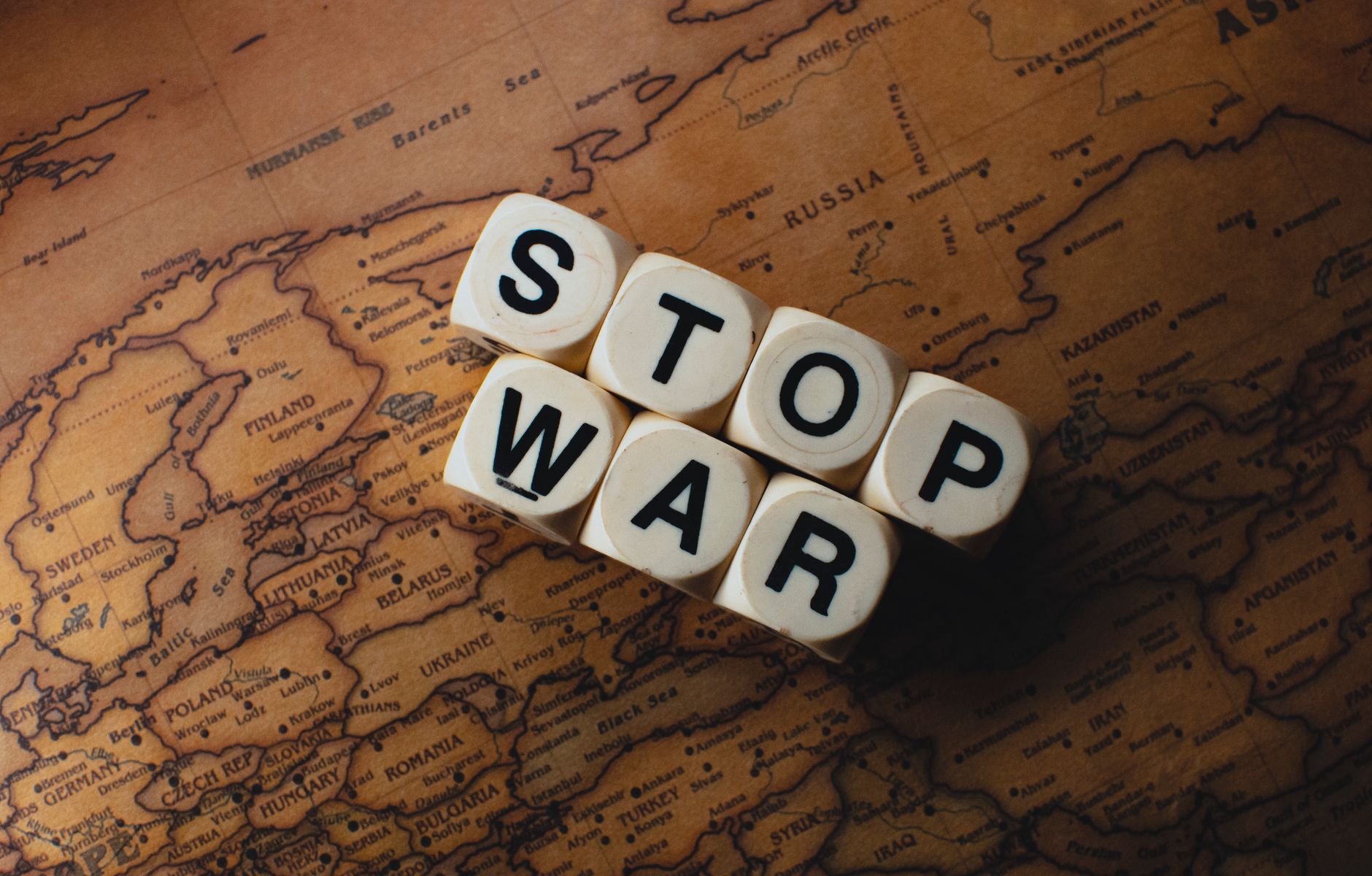
The traditional summer travel season has arrived with an unexpected companion this year: heightened global conflict. From ongoing tensions in Eastern Europe to instability in parts of the Middle East and emerging flashpoints in other regions, Indian tourists are finding their vacation planning more complex than ever before. The confluence of geopolitical uncertainty and wanderlust is forcing a fundamental rethink of how, where, and when Indians travel abroad.
The New Geography of Indian Tourism
Indian travellers have historically favoured certain corridors for summer holidays—Europe for its cultural attractions, Southeast Asia for affordability, and the Middle East as a convenient stopover hub. However, active conflict zones and regions with travel advisories have prompted a significant shift in these patterns.
Popular European destinations near conflict areas are experiencing reduced bookings from Indian tourists, who are increasingly wary of proximity to unstable regions. Meanwhile, countries perceived as neutral or distant from major conflicts are seeing a surge in interest. Nations like Japan, South Korea, Australia, and parts of South America have emerged as preferred alternatives, despite higher travel costs and longer flight durations.
The Economic Ripple Effect
Global conflicts don't just create physical boundaries; they reshape the entire economic landscape of travel. Jet fuel prices typically spike during periods of geopolitical tension, leading airlines to increase fares. Indian travellers are confronting ticket prices that are 15-30 percent higher than pre-conflict levels for many international routes.
Additionally, insurance premiums for travel to certain regions have skyrocketed. Standard travel insurance policies now often exclude coverage for destinations under government travel advisories, forcing tourists to purchase specialized policies at premium rates or travel uninsured—a risk many are unwilling to take.
Currency fluctuations triggered by global instability further complicate budgeting. The Indian rupee's performance against major currencies becomes unpredictable during conflict periods, making it difficult for families to accurately estimate vacation expenses months in advance.
Government Advisories and Their Influence
The Ministry of External Affairs regularly updates travel advisories for Indian citizens, and these warnings carry significant weight. Destinations flagged with "avoid non-essential travel" or stricter warnings see immediate drops in tourism from India, sometimes approaching 70-80 percent declines.
Tour operators report cancellations and postponements as families prioritize safety over pre-paid bookings. Many travellers are opting for destinations with robust Indian embassy presence and established evacuation protocols, having witnessed the challenges of repatriation during previous crises.
The Shifting Preferences of Indian Tourists
- Domestic tourism has received an unexpected boost, with Indian travellers rediscovering Kashmir, Northeast states, and lesser-known hill stations
- Shorter international trips are preferred over extended European tours, allowing for quicker exits if situations deteriorate
- All-inclusive resort packages in stable countries are gaining popularity over city-hopping itineraries
- Travel insurance with comprehensive coverage, including conflict-related cancellations, has become non-negotiable for most families
Technology and Real-Time Decision Making
Modern Indian travellers are more informed than ever, using apps and social media to monitor ground situations in real-time. Travel decisions that once took weeks of planning are now being made or unmade within hours based on breaking news.
Online travel communities and forums have become crucial resources where travellers share first-hand experiences and safety updates. This democratization of information has empowered tourists to make independent assessments rather than relying solely on official advisories.
The Tourism Industry's Response
Indian travel companies and international tourism boards are adapting to this new reality. Flexible booking policies with easy cancellations and date changes have become standard offerings. Some operators now provide "conflict guarantee" options where full refunds are available if government advisories change before departure.
Airlines are expanding routes to emerging safe-haven destinations, while hotels in stable countries are specifically marketing to Indian tourists seeking "peaceful getaways." Tourism boards of unaffected nations are launching targeted campaigns in India, positioning themselves as secure alternatives.
Looking Ahead
The intersection of tourism and global conflict represents a fundamental shift in how Indians approach international travel. While the desire to explore remains strong, it is now tempered with pragmatic risk assessment and contingency planning. The summer travel season of 2025 may well be remembered as the year when Indian tourists learned to navigate not just foreign lands, but the complex terrain of global geopolitics.
Travel experts suggest this cautious approach is likely to persist even after immediate conflicts resolve, as Indians have become more geopolitically aware consumers of international tourism. The industry must continue evolving to meet these changed expectations while maintaining the essential joy and discovery that make travel worthwhile.