When India's contingent traveled to Glasgow for the Commonwealth Games, they carried more than just athletic ambition. Behind the scenes, a dedicated medical team led by prominent sports physician Dr. Dinshaw Pardiwala implemented an elaborate health protection system designed to keep every athlete in peak condition throughout the competition.
The Challenge of International Competitions
International sporting events pose unique health risks for athletes. Confined spaces during travel, shared accommodation facilities, interaction with competitors from multiple countries, and the physical stress of competition all create conditions where infections can spread rapidly. A single flu outbreak within a team can derail months of preparation and cost medals that athletes have trained years to achieve.
The Glasgow Commonwealth Games presented additional challenges. The event brings together thousands of athletes, coaches, and support staff from across the Commonwealth nations, creating an environment where viruses and bacteria can transmit easily. Weather conditions in Scotland, particularly if the games occurred during cooler months, can also increase susceptibility to respiratory infections.
A Multi-Layered Prevention Strategy
Dr. Pardiwala's approach centered on prevention rather than treatment. The medical team understood that keeping athletes healthy required addressing potential health threats before they materialized. This meant creating protective barriers at multiple levels.
Hygiene protocols formed the foundation of the strategy. Athletes received education on proper handwashing techniques, use of sanitizers, and avoiding touching their faces. Common areas where the Indian contingent gathered were regularly disinfected. The team also emphasized the importance of not sharing water bottles, towels, or personal items that could serve as transmission vectors.
Nutrition and Immunity
Maintaining robust immune systems was another critical element. The medical team worked closely with nutritionists to ensure athletes consumed diets rich in vitamins, minerals, and antioxidants. Adequate hydration, sufficient sleep, and stress management all contributed to keeping the body's natural defenses strong.
Special attention was paid to the timing of meals and recovery nutrition. Athletes competing at high levels experience temporary immune suppression following intense training or competition. The medical team structured nutrition interventions to minimize this vulnerability window.
Monitoring and Early Detection
Perhaps the most crucial aspect of the health shield was vigilant monitoring. The medical team conducted regular health checks, watching for early signs of illness. Temperature monitoring, symptom questionnaires, and immediate evaluation of any athlete reporting feeling unwell allowed for rapid response.
This surveillance system meant that if any team member began showing symptoms, they could be isolated quickly and treated before potentially infecting others. The team maintained dedicated isolation facilities and protocols for managing suspected cases.
Vaccination and Prophylaxis
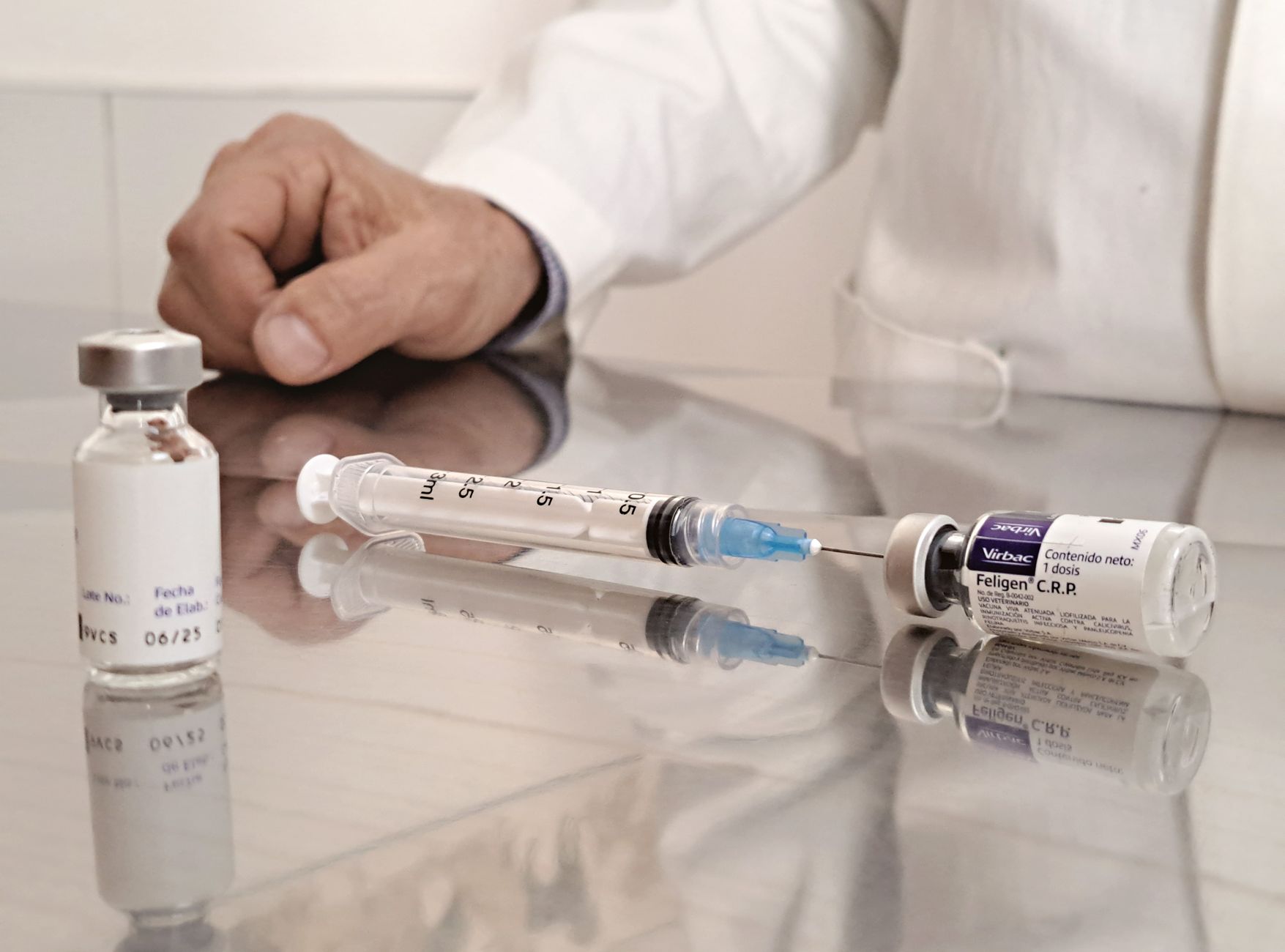
Pre-event preparation included ensuring all athletes had appropriate vaccinations current. The medical team also considered prophylactic measures where appropriate, though these decisions balanced potential benefits against any risks of side effects that might affect performance.
Environmental Controls
The medical team exerted control over the athletes' immediate environment wherever possible. This included managing air quality in accommodation areas, controlling temperature and humidity levels, and ensuring adequate ventilation. When athletes traveled between venues, precautions minimized exposure to crowds and potential infection sources.
Lessons for Future Events
The success of India's health protection strategy at Glasgow offers valuable lessons for future international competitions. It demonstrates that comprehensive medical planning requires coordination across multiple domains—from logistics and nutrition to psychology and environmental health.
The approach also highlights the importance of having experienced sports medicine professionals who understand the unique pressures athletes face. Dr. Pardiwala's leadership exemplifies how medical expertise specifically tailored to sports can make the difference between success and disappointment at major events.
The Broader Impact
Beyond keeping the Indian contingent healthy, such protocols contribute to the overall safety of international sporting events. When each nation implements rigorous health measures, it reduces disease transmission across the entire competition, protecting all participants.
For Indian sports medicine, the successful implementation of these health shields at major international events builds institutional knowledge and capacity. Each competition provides insights that can be refined and applied to future events, continuously improving the support system for Indian athletes on the global stage.
This article is for general informational purposes only and does not constitute medical advice. Athletes and teams should consult with qualified sports medicine professionals to develop health strategies appropriate to their specific circumstances and competitive requirements.