India's recent approval of dengue vaccines has brought hope in the fight against one of the country's most persistent public health challenges. However, having a vaccine is only the first step. The real challenge lies in developing and implementing a comprehensive strategy that ensures the vaccine reaches those who need it most and integrates seamlessly into the existing healthcare framework.
The Dengue Burden in India
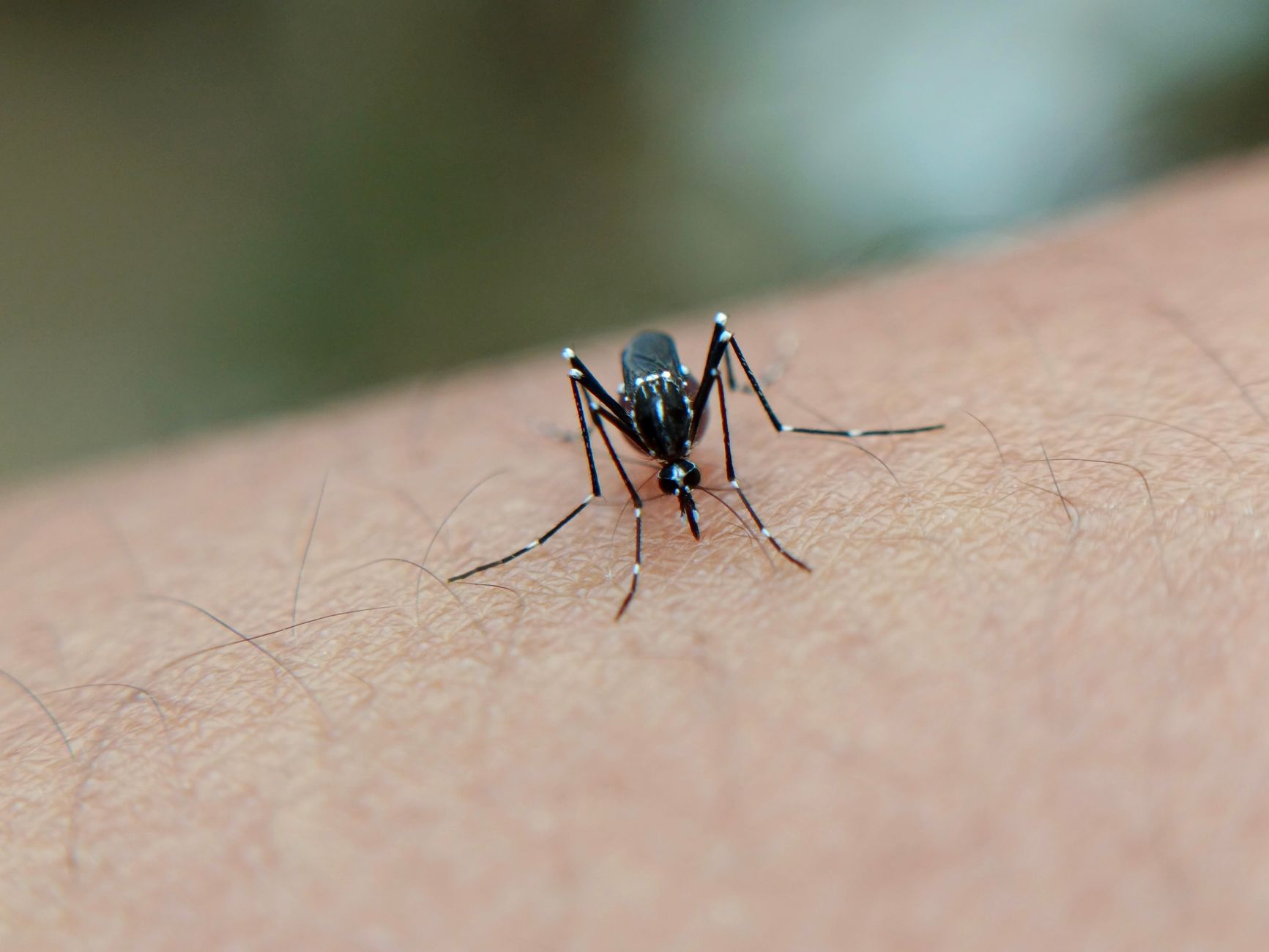
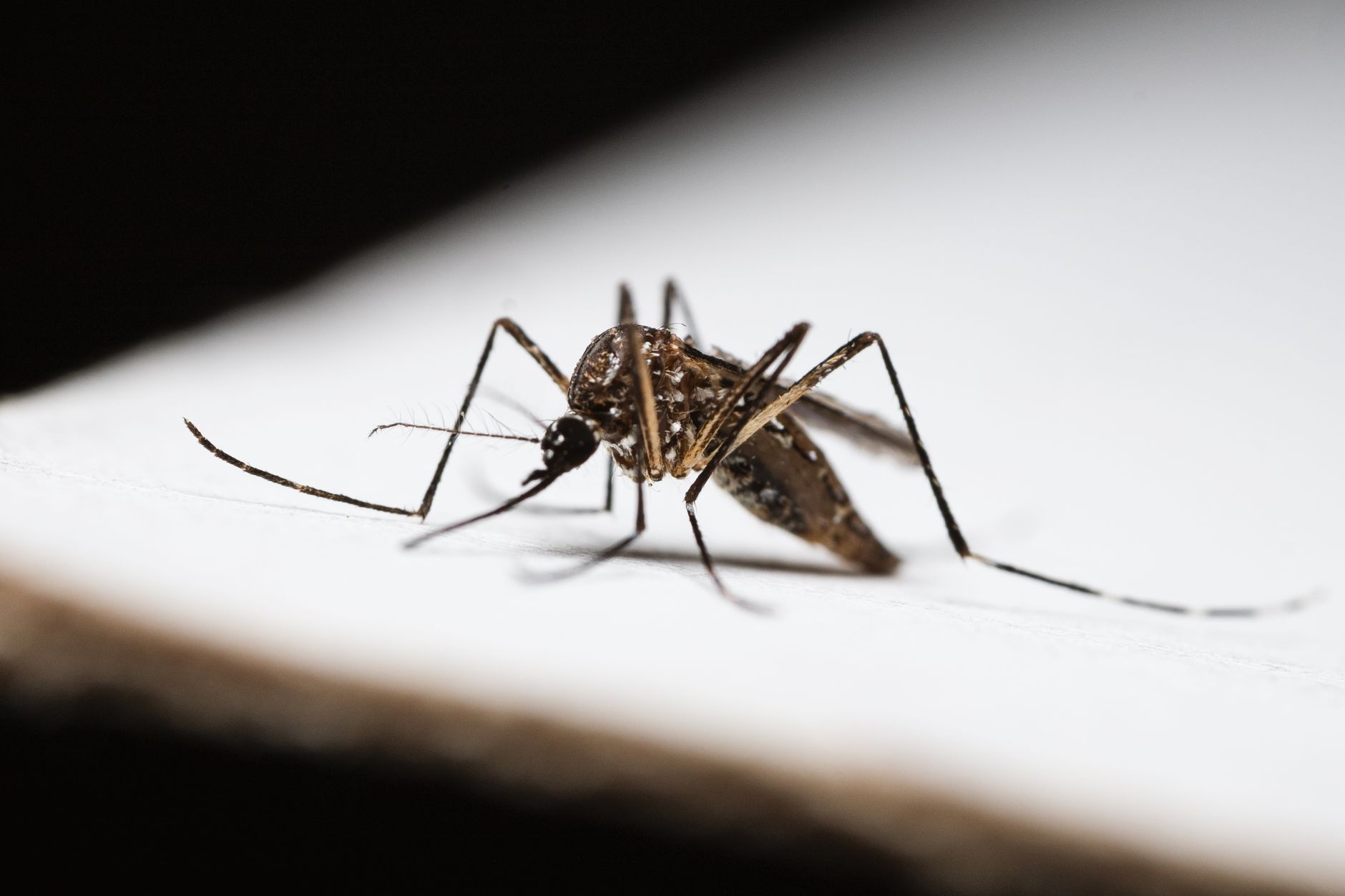
Dengue fever affects millions of Indians annually, with cases typically surging during and after the monsoon season. The disease, transmitted by Aedes mosquitoes, causes severe flu-like symptoms and can progress to life-threatening dengue hemorrhagic fever or dengue shock syndrome. Children and young adults are particularly vulnerable, and the economic burden from lost productivity and healthcare costs runs into billions of rupees each year.
India reports hundreds of thousands of dengue cases officially each year, though experts believe actual numbers are significantly higher due to underreporting and misdiagnosis. The disease has become endemic across most urban and semi-urban areas, where stagnant water provides ideal breeding grounds for mosquitoes.
What Makes Dengue Vaccination Complex
Unlike many other vaccines, dengue vaccination presents unique challenges. The dengue virus exists in four different serotypes, and previous infection with one type can sometimes make subsequent infections with other types more severe through a phenomenon called antibody-dependent enhancement. This complexity means vaccination strategies must be carefully designed.
The approved vaccines work differently for people who have previously been infected versus those who haven't. Some vaccines are recommended only for individuals with prior dengue exposure, requiring serological testing before administration. This adds layers of complexity to any mass vaccination program.
Key Elements of an Effective Strategy
A successful dengue vaccination program in India needs multiple components working together. First, clear guidelines must identify priority groups. These likely include children and adolescents in high-burden areas, particularly in densely populated urban centers and dengue hotspots.
The strategy must address several critical questions:
- Which age groups should receive the vaccine first
- Whether pre-vaccination testing for prior dengue exposure is feasible at scale
- How to integrate dengue vaccination into existing immunization programs
- What role private healthcare providers will play
- How to ensure cold chain maintenance and vaccine storage
- Methods for monitoring vaccine effectiveness and safety post-rollout
Geographic and Demographic Targeting
Not all parts of India face equal dengue risk. The vaccination strategy should prioritize high-incidence areas, particularly urban centers with documented dengue transmission. Cities like Delhi, Mumbai, Bengaluru, and Chennai consistently report high case numbers.
However, targeting shouldn't ignore emerging hotspots. Climate change and urbanization are expanding dengue's geographic range, meaning surveillance systems must continuously identify new high-risk areas requiring intervention.
Integration with Existing Programs
India has extensive experience with large-scale immunization through programs like Mission Indradhanush. Dengue vaccination could potentially integrate into school health programs, which already deliver vaccines and health screenings to millions of children. However, if pre-vaccination testing is required, this adds logistical complexity that existing infrastructure may not handle easily.
Public Awareness and Acceptance
Vaccine hesitancy remains a challenge in India for various reasons. A dengue vaccination strategy must include robust public awareness campaigns explaining the vaccine's benefits, safety profile, and limitations. Community health workers, schools, and local media can play crucial roles in building vaccine confidence.
People also need to understand that vaccination doesn't eliminate the need for mosquito control measures. Preventing mosquito breeding and personal protection remain essential even with vaccination.
Financing and Accessibility
Questions around vaccine financing need clear answers. Will the vaccine be provided free through public health programs, or will cost-sharing be required? How will the strategy ensure equitable access across economic groups? Private sector involvement could accelerate coverage but might create access disparities if not properly regulated.
Monitoring and Adaptation
Any strategy must include robust surveillance to monitor vaccination coverage, effectiveness in real-world settings, and adverse events. India's digital health infrastructure, including platforms like CoWIN, could potentially support tracking and monitoring efforts.
The dengue vaccination strategy should remain flexible, incorporating lessons learned during implementation and adapting to emerging evidence about vaccine performance in Indian populations.
This article provides general information about dengue vaccination considerations and should not be considered medical advice. Individuals should consult qualified healthcare providers regarding vaccination decisions for themselves or their families.