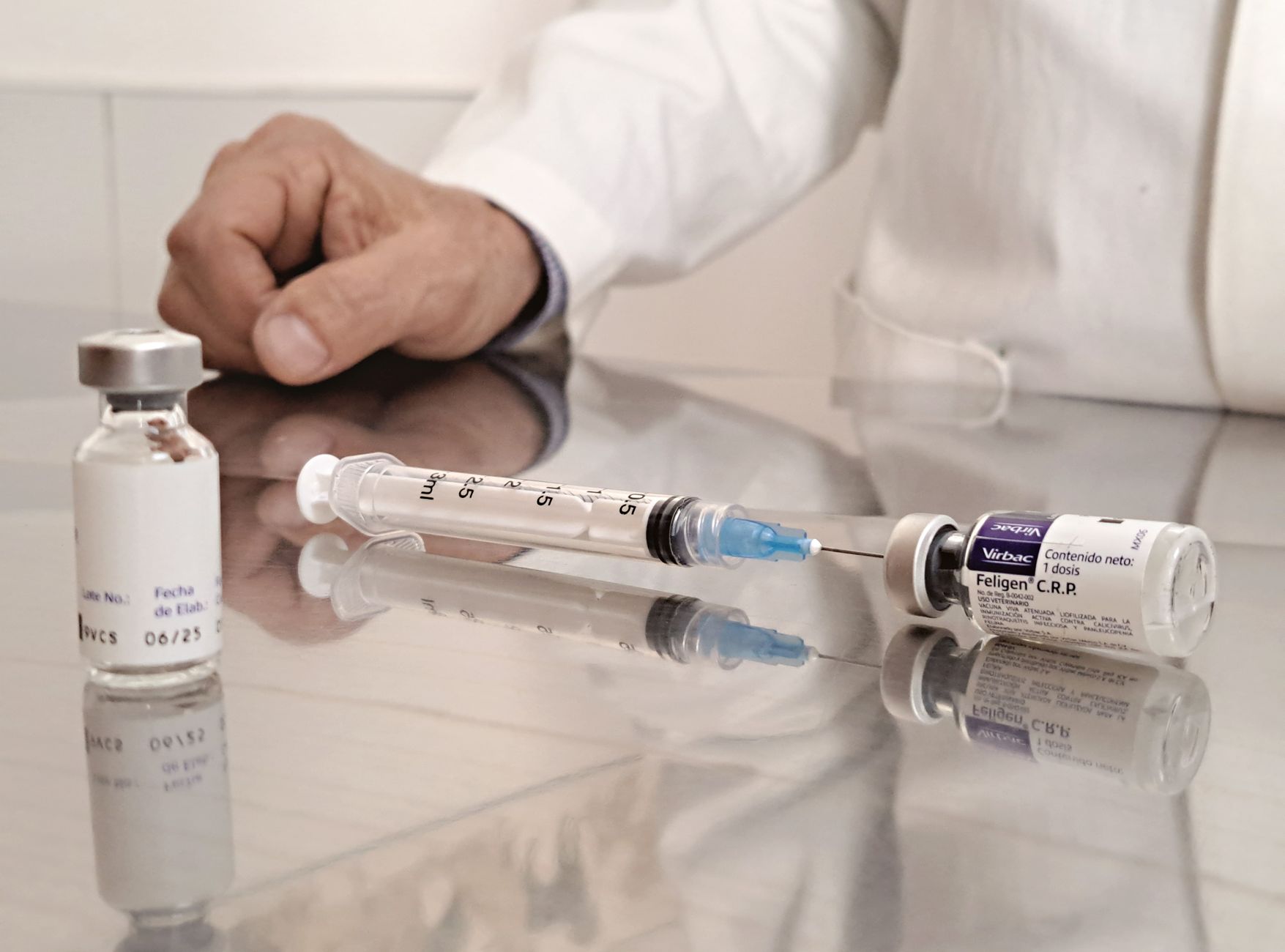

A comprehensive global study has identified India as a significant user of powerful, last-resort antibiotics that medical experts recommend should be reserved only for serious, drug-resistant infections. This pattern of overuse poses serious risks not only to individual patients but to public health systems worldwide.
Understanding the Antibiotic Hierarchy
Antibiotics are classified into different categories based on their strength, spectrum of activity, and importance in treating infections. The World Health Organization maintains a classification system called AWaRe, which divides antibiotics into three groups: Access, Watch, and Reserve.
Access antibiotics are first-line treatments suitable for common infections with lower resistance potential. Watch antibiotics are second-line options that should be used more cautiously due to higher resistance risks. Reserve antibiotics represent the most powerful drugs, meant exclusively for severe, multidrug-resistant infections when all other options have failed.
The concerning finding is that India appears to be using Reserve category antibiotics far more frequently than medically necessary, often for conditions that could be treated with simpler, first-line medications.
Why This Pattern Matters
The overuse of powerful antibiotics accelerates antimicrobial resistance, a phenomenon where bacteria evolve to survive even the strongest drugs. When Reserve antibiotics are used casually for minor infections, bacteria gain exposure to these medications and can develop resistance mechanisms.
This creates a dangerous scenario where patients with genuinely life-threatening infections may find that even the most powerful available antibiotics no longer work. Medical professionals describe this as reaching "the end of the antibiotic era" for certain infections, where previously treatable conditions become potentially fatal.
India's large population means that antibiotic resistance patterns developing here can have global implications. Bacteria do not respect borders, and resistant strains can spread internationally through travel and trade.
Contributing Factors in India
Several factors contribute to the inappropriate use of powerful antibiotics in India:
- Over-the-counter availability of antibiotics without proper prescriptions in many pharmacies
- Self-medication practices where patients or families choose antibiotics without medical consultation
- Pressure on physicians to prescribe stronger medications immediately rather than starting with appropriate first-line treatments
- Incomplete courses of antibiotics that allow bacteria to develop resistance
- Use of antibiotics for viral infections where they provide no benefit
- Agricultural use of antibiotics in livestock, contributing to environmental resistance
Healthcare infrastructure challenges also play a role. Limited access to diagnostic facilities in some areas means doctors may prescribe broad-spectrum or powerful antibiotics empirically, without confirming the specific infection or its resistance profile.
The Economic and Social Dimensions
The preference for powerful antibiotics sometimes stems from economic pressures. Patients who must pay out-of-pocket for healthcare may demand the "strongest" medication to ensure quick recovery, viewing it as getting their money's worth. Similarly, private practitioners may face competitive pressure to provide immediate results.
Additionally, pharmaceutical marketing and availability influence prescribing patterns. Newer, more powerful antibiotics may be heavily promoted to doctors, while adequate supplies of appropriate first-line medications may be inconsistent in some regions.
Steps Toward Responsible Use
Addressing antibiotic overuse requires coordinated efforts across multiple levels. The Indian government has implemented the National Action Plan on Antimicrobial Resistance, which includes strategies for surveillance, infection prevention, and antibiotic stewardship.
Healthcare providers need support through better diagnostic access, clinical guidelines, and protection from patient pressure to overprescribe. Public awareness campaigns should educate communities about when antibiotics are truly necessary and the dangers of misuse.
Regulatory enforcement regarding prescription-only sales of antibiotics needs strengthening, particularly in retail pharmacy settings. While regulations exist, implementation gaps allow continued over-the-counter sales.
Looking Forward
The Lancet study's findings serve as an urgent reminder that antibiotic resistance is not a distant future threat but a present reality requiring immediate action. India's healthcare system must balance ensuring access to life-saving medications while preventing their misuse.
Every inappropriate use of a Reserve antibiotic represents not just a risk to that individual patient but a threat to the effectiveness of these medicines for future patients who will genuinely need them. Preserving antibiotic effectiveness requires collective responsibility from healthcare providers, patients, policymakers, and the pharmaceutical industry.
This article is for general informational purposes only and should not be considered medical advice. Always consult qualified healthcare professionals for medical guidance regarding infections and antibiotic treatment.