India stands at a demographic turning point. While the country has long been celebrated for its youthful population, the reality is shifting dramatically. By 2050, nearly 20% of Indians will be over 60 years old, up from just 10% today. This demographic transition brings with it a fundamental question: how will the healthcare system adapt to serve an aging population with chronic conditions, mobility challenges, and specific care requirements?
The Challenge of Traditional Healthcare Models
The current healthcare infrastructure in India is largely designed around acute care delivered in hospitals and clinics. Elderly patients with multiple chronic conditions like diabetes, hypertension, arthritis, and heart disease require frequent monitoring and medication management rather than occasional hospital visits. For many seniors, traveling to healthcare facilities presents significant obstacles including physical mobility issues, transportation costs, and long waiting times.
Additionally, hospital environments can be disorienting and stressful for elderly patients, particularly those with cognitive decline or dementia. The risk of hospital-acquired infections also poses a greater threat to older adults with weakened immune systems.
Why Home-Based Care Makes Sense
Home healthcare represents a paradigm shift that addresses many limitations of the traditional model. When medical professionals visit patients at home or when care is coordinated remotely, several benefits emerge.
Seniors can receive care in familiar, comfortable surroundings where they feel secure. This is particularly important for those with conditions like Alzheimer's or Parkinson's disease, where environmental familiarity reduces anxiety and confusion.
- Cost effectiveness: Home visits and remote monitoring reduce expenses associated with hospital stays, emergency room visits, and transportation
- Better medication adherence: Healthcare workers can directly observe medication routines and identify compliance issues
- Early intervention: Regular home monitoring helps catch health deteriorations before they become emergencies
- Personalized care: Providers gain insights into patients' living conditions, diet, and daily routines that inform better care decisions
- Family involvement: Home care naturally includes family members in the care process, improving support systems
Emerging Solutions in India
Several innovative approaches are gaining traction across India to bring healthcare closer to elderly patients.
Telemedicine platforms specifically designed for geriatric care enable video consultations, reducing the need for physical clinic visits. These services often include medicine delivery and home sample collection for diagnostic tests.
Home healthcare companies now employ trained nurses, physiotherapists, and attendants who provide skilled nursing care, wound management, post-operative care, and assistance with daily activities in patients' homes.
Community health centers in residential areas, particularly in urban apartment complexes, offer basic health monitoring, medication distribution, and health education programs tailored for seniors.
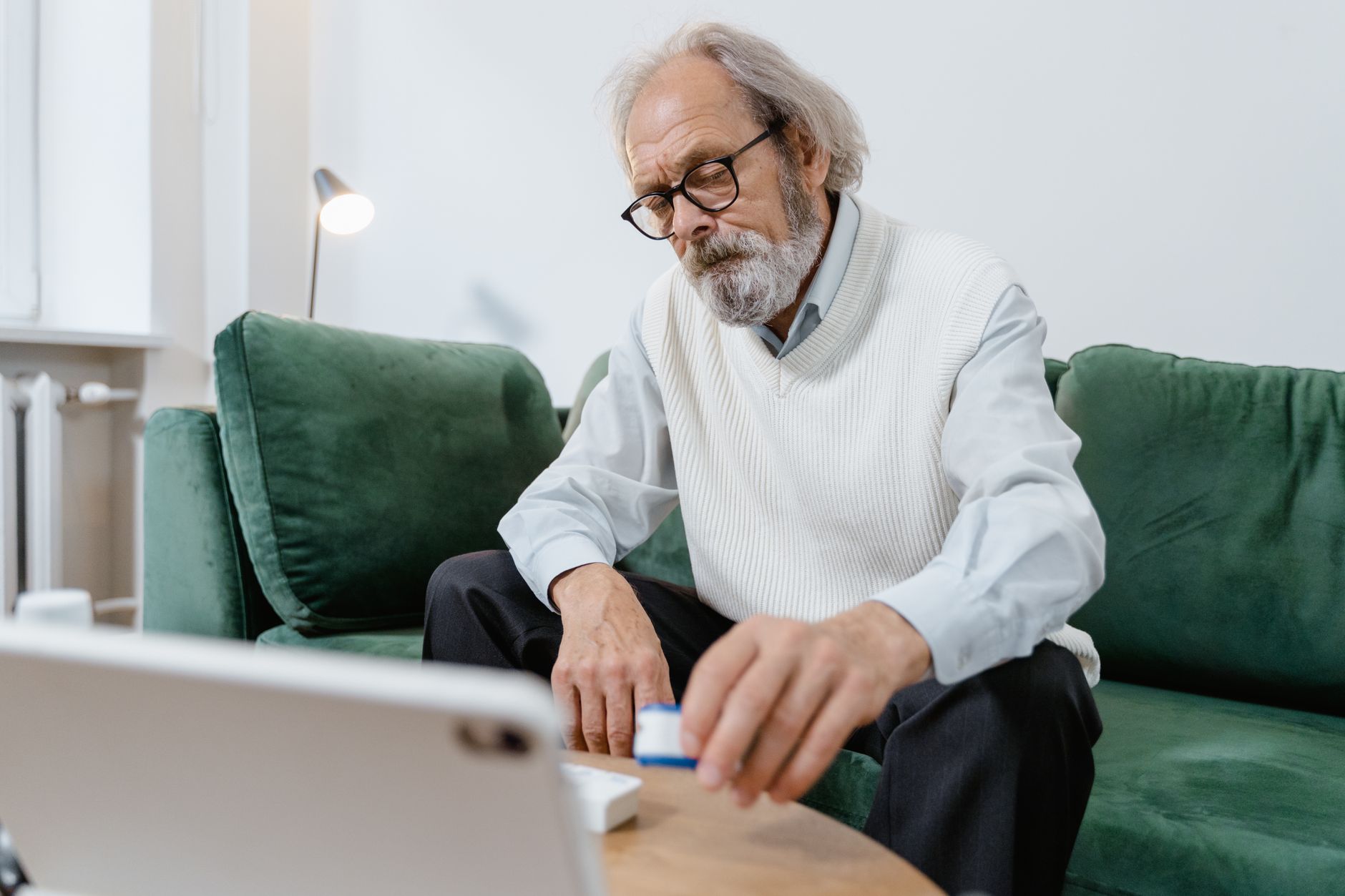
Wearable devices and remote monitoring tools track vital signs like blood pressure, blood sugar, and heart rate, alerting healthcare providers to concerning changes before they become critical.
The Infrastructure Gap
Despite growing awareness, significant barriers remain. The shortage of trained geriatric healthcare professionals means most general practitioners lack specialized knowledge of aging-related conditions. Home healthcare workers need proper training in handling elderly patients with dignity while managing complex medical needs.
Insurance coverage for home-based care remains limited, forcing families to bear out-of-pocket expenses that can be substantial. Regulatory frameworks governing home healthcare services are still evolving, creating uncertainty around quality standards and accountability.
In rural areas, where a large proportion of India's elderly population lives, even basic healthcare access remains challenging. Home healthcare solutions must be adapted to reach these underserved populations.
The Path Forward
Addressing India's aging challenge requires coordinated action from multiple stakeholders. Medical education must incorporate comprehensive geriatric training. Insurance policies need to expand coverage for home healthcare and preventive services. Technology companies should develop affordable, user-friendly health monitoring tools suitable for elderly users with varying levels of digital literacy.
Perhaps most importantly, there needs to be a cultural shift in how society views eldercare. Moving healthcare to the home isn't just about convenience—it's about recognizing that aging adults deserve care that respects their independence, dignity, and desire to remain in familiar surroundings as long as safely possible.
As India's silver wave continues to grow, the healthcare system must evolve accordingly, ensuring that quality medical care reaches the elderly where they are most comfortable: at home.
This article is for general informational purposes only and should not be considered medical advice. Consult qualified healthcare professionals for specific medical guidance regarding elderly care and health conditions.