India has taken a landmark step in public health by approving QDENGA, the country's first dengue vaccine, offering new hope in the battle against a disease that hospitalizes hundreds of thousands of Indians each year. This development comes as dengue cases continue to surge across the nation, particularly during monsoon seasons when mosquito breeding intensifies.
Understanding QDENGA
QDENGA is a live-attenuated tetravalent dengue vaccine developed by Japanese pharmaceutical company Takeda. The vaccine targets all four serotypes of the dengue virus (DENV-1, DENV-2, DENV-3, and DENV-4), which is crucial because infection with one serotype does not provide immunity against the others. In fact, subsequent infections with different serotypes can lead to more severe forms of the disease, including dengue hemorrhagic fever and dengue shock syndrome.
The vaccine works by introducing weakened versions of the dengue virus into the body, stimulating the immune system to develop protective antibodies without causing the actual disease.
Effectiveness and Clinical Data
Clinical trials have demonstrated that QDENGA provides significant protection against dengue fever. Studies conducted across dengue-endemic regions, including parts of Asia and Latin America, showed the vaccine's effectiveness in preventing symptomatic dengue and hospitalization.
Key effectiveness findings include:
- Overall efficacy of approximately 80 percent against hospitalized dengue cases
- Around 60-70 percent effectiveness in preventing symptomatic dengue disease
- Protection sustained over multiple years following vaccination
- Effectiveness across all four dengue serotypes, though protection levels vary by serotype
The vaccine has shown particular strength in preventing severe dengue disease, which is the primary goal given that severe complications pose the greatest health risk and economic burden.
Dosing Schedule
QDENGA requires a two-dose regimen administered subcutaneously (under the skin). The recommended schedule is:
- First dose: Initial vaccination
- Second dose: Three months after the first dose
Both doses are necessary to achieve optimal protection. The vaccine can be administered regardless of prior dengue infection history, which distinguishes it from some other dengue vaccines that require previous infection for safety and efficacy.
Who Is Eligible
QDENGA has been approved for individuals aged 4 to 60 years living in dengue-endemic areas. This broad age range addresses the fact that dengue affects both children and adults, with children often experiencing severe complications.
However, certain groups should not receive the vaccine:
- Pregnant women, as safety data in pregnancy is limited
- Individuals with severely compromised immune systems
- People with a history of severe allergic reactions to vaccine components
- Those currently experiencing acute febrile illness should postpone vaccination
Healthcare providers will assess individual suitability before administering the vaccine.
The Dengue Burden in India
India reports hundreds of thousands of dengue cases annually, with actual numbers likely much higher due to underreporting and asymptomatic infections. The disease places enormous strain on healthcare infrastructure, particularly during outbreak seasons. Urban areas with dense populations and inadequate sanitation are especially vulnerable.
Climate change and urbanization are expanding mosquito habitats, making dengue prevention increasingly critical. While vector control through mosquito management remains essential, vaccination adds a valuable tool to the public health arsenal.
Availability and Cost
Following regulatory approval, QDENGA's rollout in India will depend on several factors, including pricing negotiations, healthcare infrastructure, and public health policy decisions. The vaccine will likely be available initially through private healthcare facilities before potential integration into public health programs.
Cost remains a significant consideration for widespread adoption. Dengue vaccines are typically more expensive than routine immunizations, which may limit accessibility for lower-income populations who often face the highest disease burden.
Beyond Vaccination
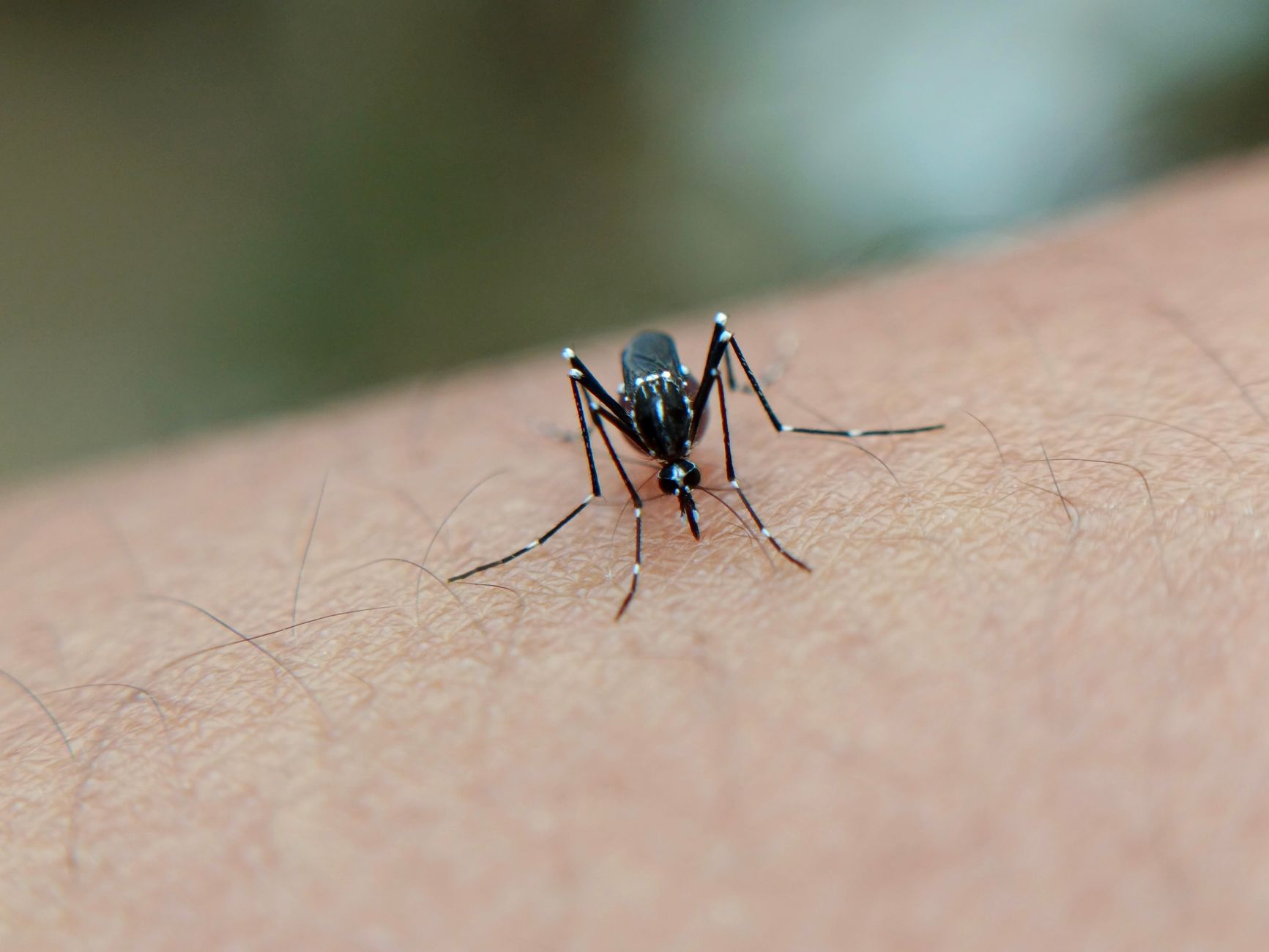
While QDENGA represents important progress, vaccination should complement rather than replace existing dengue prevention measures. Eliminating mosquito breeding sites, using mosquito repellents, installing screens on windows, and wearing protective clothing remain crucial preventive strategies.
Communities must continue environmental management efforts to control Aedes aegypti mosquito populations, which transmit dengue primarily during daytime hours.
Disclaimer
This article provides general information about dengue vaccination and should not be considered medical advice. Consult qualified healthcare professionals for personalized recommendations regarding dengue vaccination, especially if you have underlying health conditions or concerns about eligibility. Medical decisions should be made in consultation with licensed physicians familiar with your individual health history.