India is experiencing a significant shift in its disease burden this monsoon season, with dengue fever cases climbing even as traditional monsoon-related illnesses like malaria show a declining trend. This changing pattern, combined with the rising prevalence of non-communicable diseases (NCDs), presents a unique challenge for the country's healthcare system.
The Dengue Surge: Why Cases Are Climbing
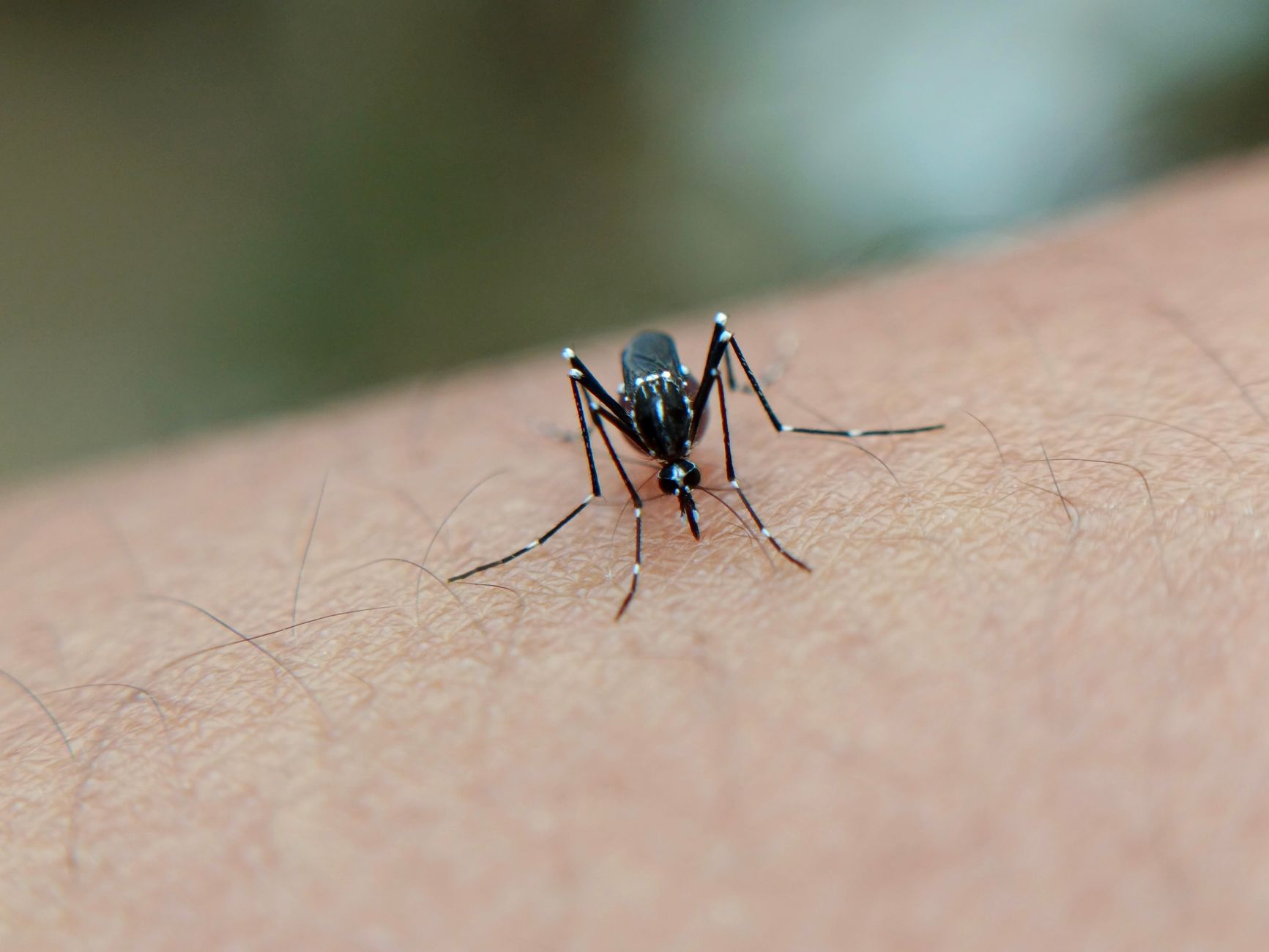
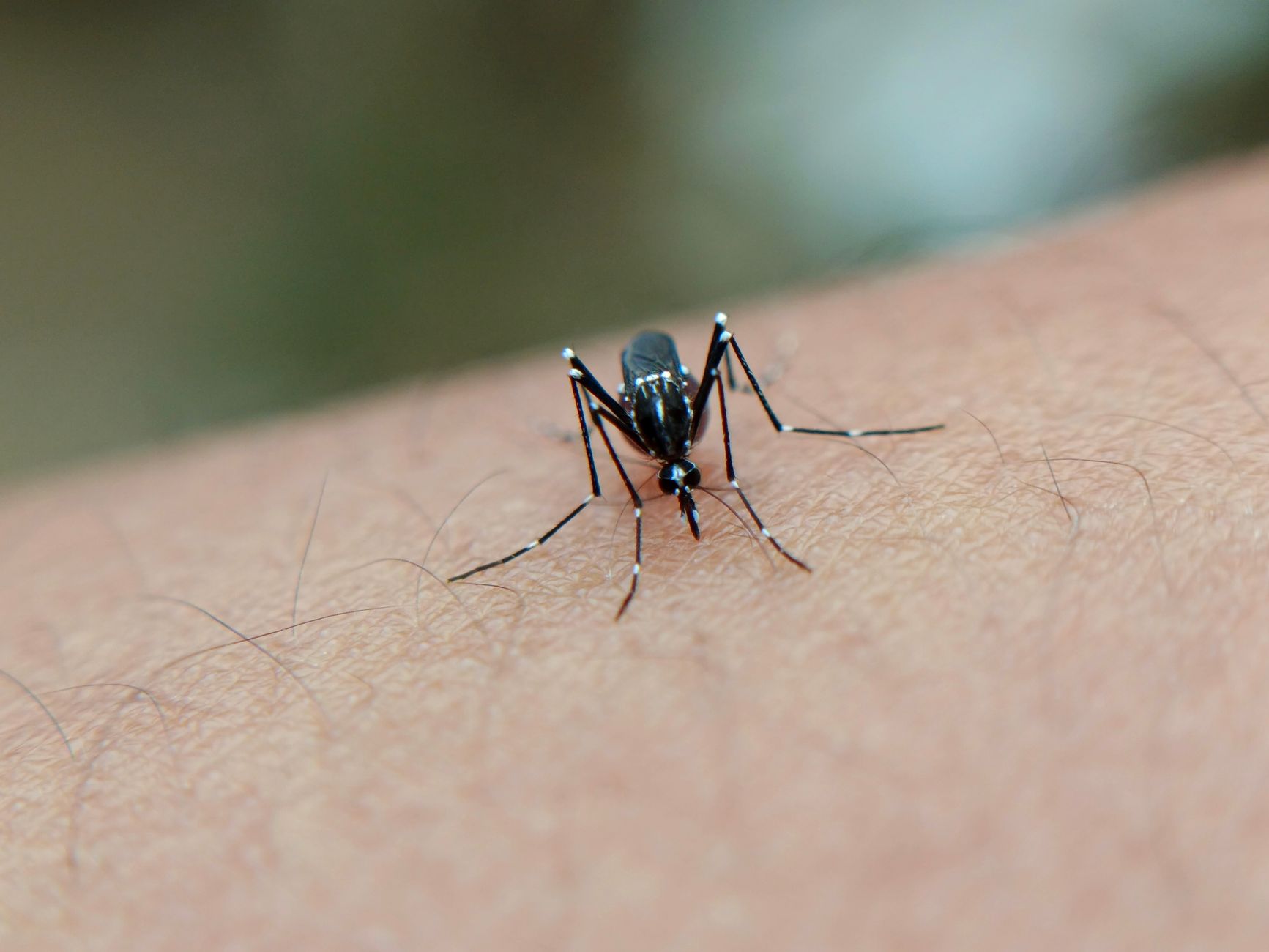
Dengue fever, transmitted by Aedes mosquitoes, has become increasingly prevalent during monsoon months across Indian cities and towns. The disease thrives in stagnant water that accumulates in urban areas during heavy rainfall. Unlike malaria-carrying mosquitoes that breed in natural water bodies, Aedes mosquitoes prefer clean, stagnant water found in household containers, coolers, flower pots, and discarded items.
The surge in dengue cases can be attributed to rapid urbanization, inadequate waste management systems, and climate change factors that extend the mosquito breeding season. Dense urban populations, coupled with poor drainage infrastructure in many cities, create ideal conditions for mosquito proliferation.
Declining Trends in Malaria and Kala-Azar
While dengue cases rise, India has made remarkable progress in reducing malaria and kala-azar (visceral leishmaniasis) cases. Government-led initiatives, improved surveillance systems, and better access to diagnostic and treatment facilities have contributed to this success.
The National Vector Borne Disease Control Programme has intensified efforts in endemic regions, distributing insecticide-treated bed nets, conducting indoor residual spraying, and ensuring early diagnosis and treatment. For kala-azar, the government's elimination program has focused on the most affected states in eastern India, achieving significant reductions in disease incidence.
The Rising Burden of Non-Communicable Diseases
Beyond vector-borne diseases, India faces an escalating crisis of non-communicable diseases including diabetes, cardiovascular conditions, cancer, and chronic respiratory illnesses. This epidemiological transition reflects changing lifestyles, dietary patterns, reduced physical activity, and an aging population.
Key factors driving NCD prevalence include:
- Sedentary lifestyles and decreased physical activity in urban and semi-urban areas
- Increased consumption of processed foods high in sugar, salt, and unhealthy fats
- Rising tobacco and alcohol use
- Air pollution affecting respiratory and cardiovascular health
- Stress and mental health challenges in modern work environments
- Genetic predisposition combined with environmental triggers
The Double Disease Burden Challenge
India's healthcare system now confronts a dual challenge: managing infectious diseases that still affect millions while simultaneously addressing the growing NCD epidemic. This double burden strains healthcare infrastructure, diverts resources, and requires different approaches for prevention and treatment.
Infectious diseases demand strong public health measures, surveillance systems, and rapid response capabilities. NCDs, however, require long-term management, lifestyle interventions, and sustained healthcare engagement. The coexistence of both creates competing demands on limited healthcare budgets and workforce capacity.
Protecting Yourself This Monsoon Season
To prevent dengue and other monsoon-related illnesses, individuals should take proactive measures:
- Eliminate stagnant water around homes by regularly emptying containers, flower pots, and coolers
- Use mosquito repellents, wear full-sleeved clothing during peak mosquito hours
- Install window screens and use bed nets where appropriate
- Ensure proper drainage around residential areas
- Seek immediate medical attention for persistent fever, body ache, or rash
- Stay hydrated and maintain good hygiene to prevent waterborne diseases
For NCD prevention, focus on sustainable lifestyle modifications including regular physical activity, balanced nutrition rich in fruits and vegetables, stress management, adequate sleep, and regular health screenings.
The Path Forward
Addressing India's complex disease burden requires integrated approaches combining vector control programs, strengthened primary healthcare systems, and comprehensive public health campaigns. Community participation in eliminating mosquito breeding sites, combined with individual responsibility for health management, will be crucial.
Investment in healthcare infrastructure, training of healthcare workers in managing both communicable and non-communicable diseases, and leveraging technology for disease surveillance and health education can help India navigate this dual challenge effectively.
This article provides general health information and should not replace professional medical advice. If you experience symptoms of dengue, malaria, or any health concerns, consult a qualified healthcare provider immediately for proper diagnosis and treatment.