State Bank of India has launched an innovative healthcare initiative called SBI Sanjeevani, featuring mobile medical units equipped with sophisticated digital dashboards designed to extend quality healthcare services to remote and underserved areas across India. This initiative represents a growing trend of corporate social responsibility programs addressing the stark healthcare disparities between urban centers and rural regions.
Understanding the SBI Sanjeevani Concept
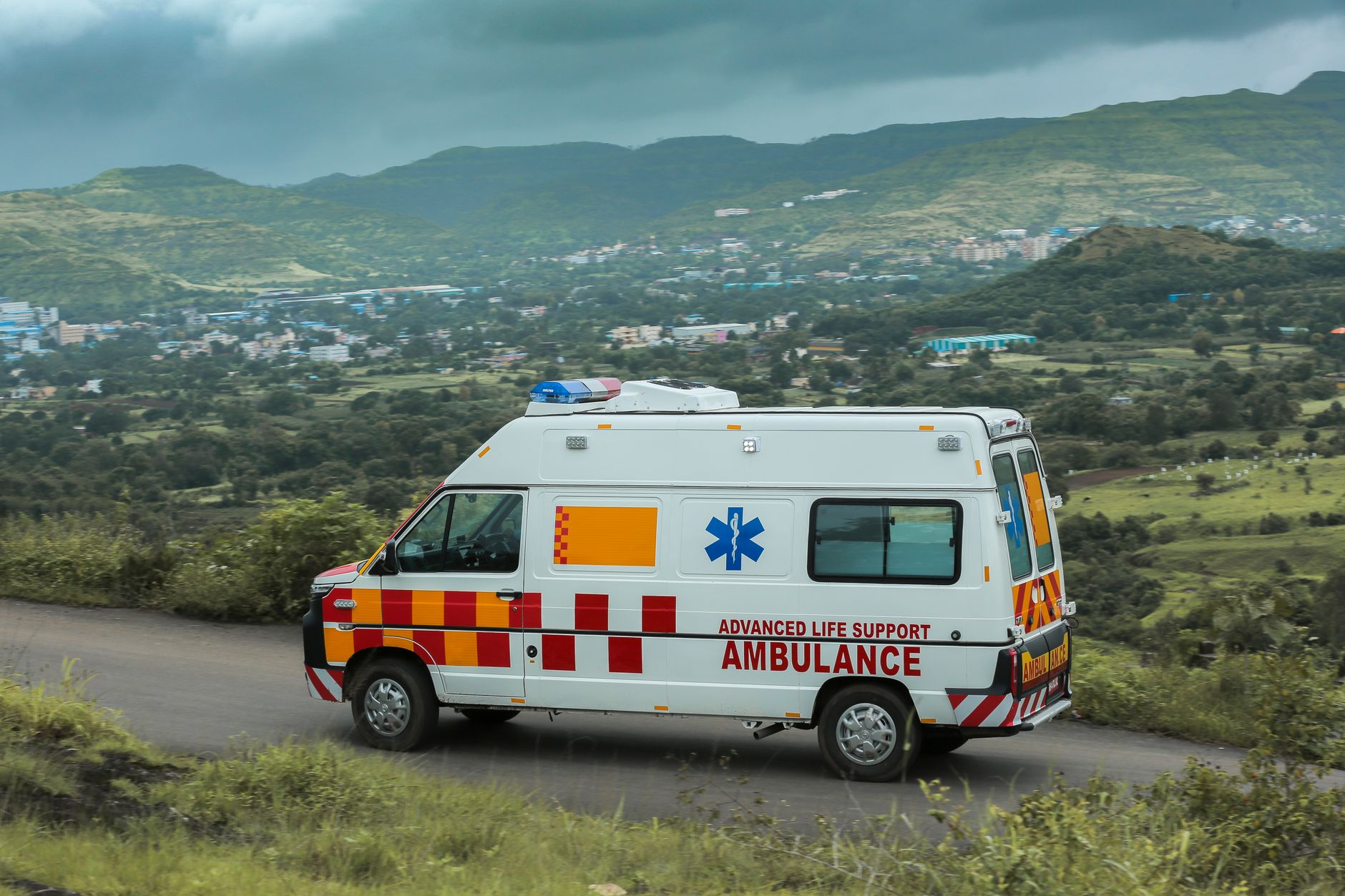
The SBI Sanjeevani program deploys fully-equipped mobile medical units that function as traveling clinics, bringing essential healthcare services directly to communities that lack adequate medical infrastructure. These units are designed to provide primary healthcare, diagnostic services, preventive care, and health awareness programs in villages and remote locations where access to hospitals and clinics remains limited.
The integration of a digital dashboard system sets this initiative apart from traditional mobile health camps. The dashboard serves as a comprehensive management and monitoring tool that tracks patient data, medical inventory, geographical coverage, service delivery metrics, and health outcomes in real-time.
Key Features of the Dashboard Technology
The mobile medical units dashboard incorporates several technological features aimed at improving healthcare delivery efficiency. The system maintains electronic health records for patients across different locations, enabling continuity of care even when individuals visit different mobile units. This digital record-keeping eliminates the need for paper-based documentation and ensures medical histories are preserved and accessible.
Geographic information system integration allows administrators to track unit locations, plan optimal routes, and identify underserved areas requiring more frequent visits. This spatial intelligence helps maximize the program's reach and ensures equitable distribution of healthcare services across target regions.
Real-time reporting capabilities enable stakeholders to monitor key performance indicators including the number of patients served, types of treatments provided, medicine distribution, and health screening outcomes. This transparency supports evidence-based decision-making and program improvements.
Healthcare Services Provided
The mobile medical units typically offer a range of essential healthcare services tailored to common rural health challenges:
- General health check-ups and consultations with qualified medical practitioners
- Basic diagnostic tests including blood pressure monitoring, blood sugar testing, and hemoglobin checks
- Distribution of essential medicines for common ailments
- Maternal and child health services including antenatal care and immunizations
- Health education and awareness programs on hygiene, nutrition, and disease prevention
- Screening for non-communicable diseases such as diabetes and hypertension
- Telemedicine connectivity for specialist consultations when needed
Addressing India's Rural Healthcare Gap
India faces significant healthcare infrastructure challenges, particularly in rural areas where approximately 65% of the population resides. According to various health surveys, rural India experiences acute shortages of doctors, nurses, and medical facilities. Many villages lack even basic primary health centers, forcing residents to travel long distances for medical care.
Mobile medical units address this gap by bringing healthcare services directly to communities, reducing the burden of travel costs and time loss for rural families. For elderly patients, pregnant women, and those with mobility limitations, this doorstep healthcare delivery proves especially valuable.
The Corporate Social Responsibility Dimension
SBI's investment in the Sanjeevani program aligns with corporate social responsibility mandates that require Indian companies to dedicate a portion of their profits toward social welfare activities. Healthcare initiatives receive priority under these guidelines, recognizing health as fundamental to human development and economic productivity.
By leveraging technology through the dashboard system, SBI demonstrates how corporate resources can be deployed efficiently to create measurable social impact. The data-driven approach allows for continuous program evaluation and improvement based on actual health outcomes and community needs.
Future Implications and Scalability
The success of digitally-enabled mobile medical units could inspire similar initiatives from other corporate entities and government programs. The dashboard technology developed for SBI Sanjeevani can potentially be adapted and scaled to serve larger populations or integrated with existing public health systems.
As India pursues universal health coverage goals, innovative delivery models combining mobility, technology, and preventive care will play crucial roles in extending healthcare access to the last mile. The Sanjeevani initiative provides a replicable model for bridging healthcare gaps through public-private collaboration.
This article is for general informational purposes only. Individuals seeking specific medical advice or healthcare services should consult qualified healthcare professionals or visit appropriate medical facilities.