
India stands at a critical juncture in its healthcare journey. With rising cases of diabetes, heart disease, and other lifestyle-related conditions, the country faces a growing burden that threatens to overwhelm its healthcare infrastructure. The solution lies not just in building more hospitals or training more doctors, but in fundamentally shifting our approach from reactive treatment to proactive prevention.
The Current Healthcare Challenge
India's healthcare system has traditionally focused on treating diseases after they occur. While this approach has helped manage acute conditions and infectious diseases, it falls short when dealing with the epidemic of non-communicable diseases (NCDs) that now account for over 60% of all deaths in the country. Cardiovascular diseases, diabetes, respiratory conditions, and cancer are becoming increasingly common, particularly among younger populations.
The economic impact is staggering. Families spend significant portions of their income on treating preventable conditions, often pushing themselves into poverty. The government healthcare budget, already stretched thin, struggles to keep pace with the growing demand for treatment of chronic conditions that require long-term management.
Understanding Preventive Healthcare
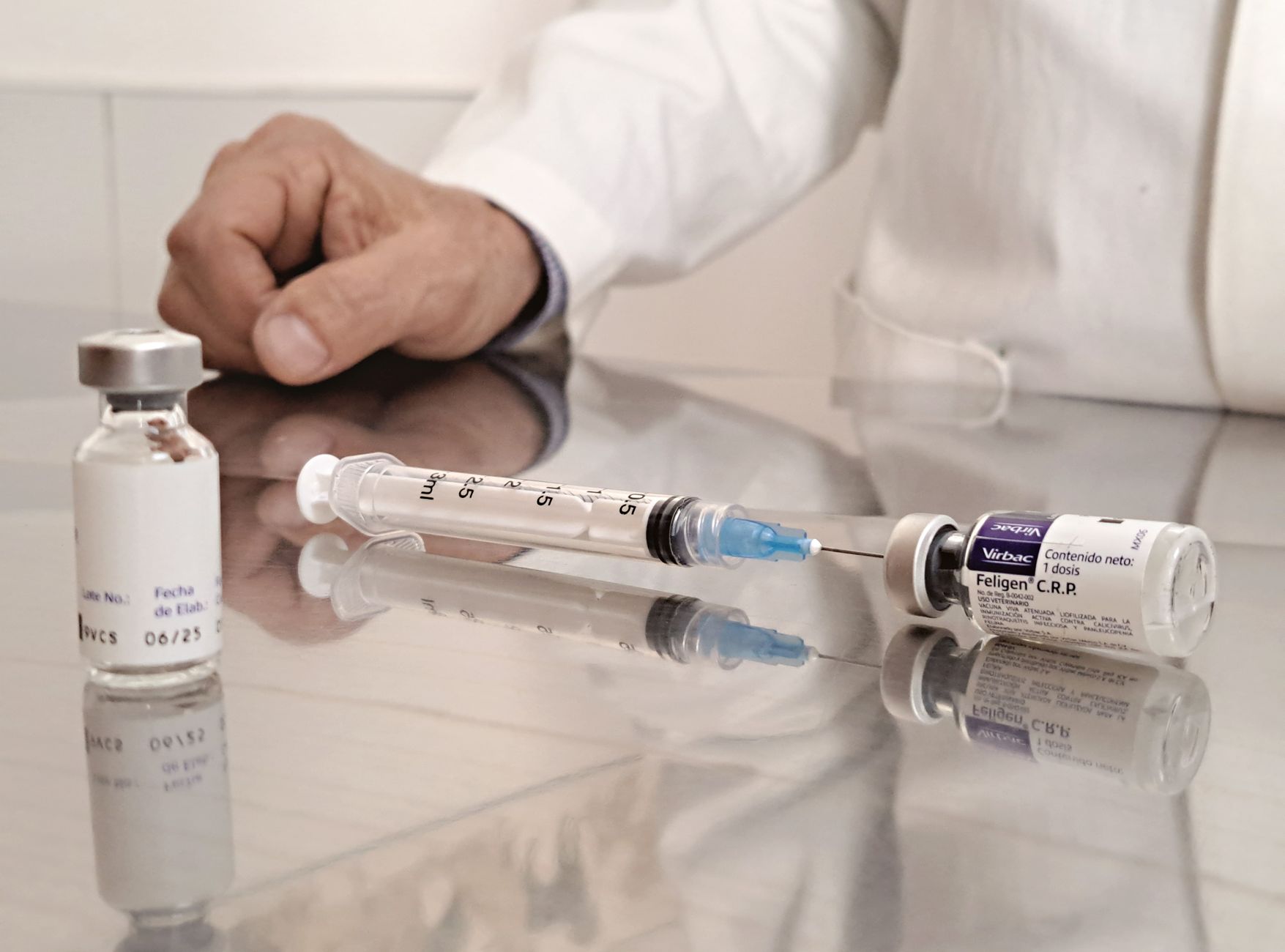
Preventive healthcare involves taking measures to prevent diseases before they occur or detecting them at early, more treatable stages. This includes regular health screenings, vaccinations, lifestyle modifications, and health education. The approach recognizes that many of today's most common health problems are largely preventable through informed choices and early intervention.
Primary prevention focuses on stopping disease before it starts through measures like maintaining a healthy diet, exercising regularly, avoiding tobacco, and limiting alcohol consumption. Secondary prevention involves early detection through regular screenings and check-ups, catching diseases when they are most treatable. Tertiary prevention aims to manage existing conditions to prevent complications.
The Indian Context
Several factors make preventive healthcare particularly relevant for India. The country is experiencing a rapid epidemiological transition, with lifestyle diseases overtaking infectious diseases as primary health concerns. Urbanization, changing dietary patterns, sedentary lifestyles, and increasing stress levels contribute to this shift.
India also has a young population, presenting a unique opportunity to instill healthy habits early and prevent the onset of chronic conditions. Additionally, the country's diverse geography and socioeconomic conditions require tailored preventive strategies that address local needs and challenges.
Benefits of a Preventive Approach
- Reduces the overall burden on healthcare infrastructure and resources
- Lowers individual and national healthcare expenditure significantly
- Improves quality of life by preventing painful and debilitating conditions
- Increases productivity by reducing disease-related absences from work
- Enables early detection when treatments are more effective and less costly
- Creates a healthier, more productive workforce driving economic growth
Key Areas for Prevention Focus
Regular health screenings should become routine, especially for high-risk populations. Blood pressure checks, diabetes screening, cholesterol tests, and cancer screenings can detect problems early when intervention is most effective. The government's Ayushman Bharat program includes preventive care components, but awareness and uptake remain low.
Lifestyle modification programs need widespread implementation. Encouraging physical activity, promoting balanced diets, and creating awareness about harmful habits like tobacco and excessive alcohol use can prevent a significant proportion of chronic diseases. Workplace wellness programs and community health initiatives play crucial roles here.
Environmental factors also require attention. Air pollution, water quality, and sanitation directly impact health outcomes. Urban planning that encourages walking and cycling, along with pollution control measures, supports preventive health goals.
The Way Forward
Making prevention a priority requires coordinated efforts from multiple stakeholders. The government must invest in public health infrastructure, fund awareness campaigns, and integrate preventive care into existing healthcare delivery systems. Schools should incorporate health education into curricula, teaching children about nutrition, exercise, and healthy habits from an early age.
Healthcare providers need training and incentives to focus on prevention rather than just treatment. Insurance policies should cover preventive services and perhaps offer premium reductions for maintaining healthy lifestyles. Technology can play a significant role through telemedicine, health apps, and wearable devices that monitor vital signs and encourage healthy behaviors.
Employers can contribute by creating healthier workplaces, offering wellness programs, and providing time for employees to focus on their health. Community organizations and local leaders can mobilize grassroots support for public health initiatives.
The transition to a prevention-focused healthcare system won't happen overnight, but every step in this direction promises substantial returns in terms of healthier citizens, reduced healthcare costs, and a more productive society. The question isn't whether India can afford to invest in prevention, but whether it can afford not to.
This article is for general informational purposes only and should not be considered medical advice. Readers should consult qualified healthcare professionals for personalized health recommendations and before making any significant lifestyle changes.